
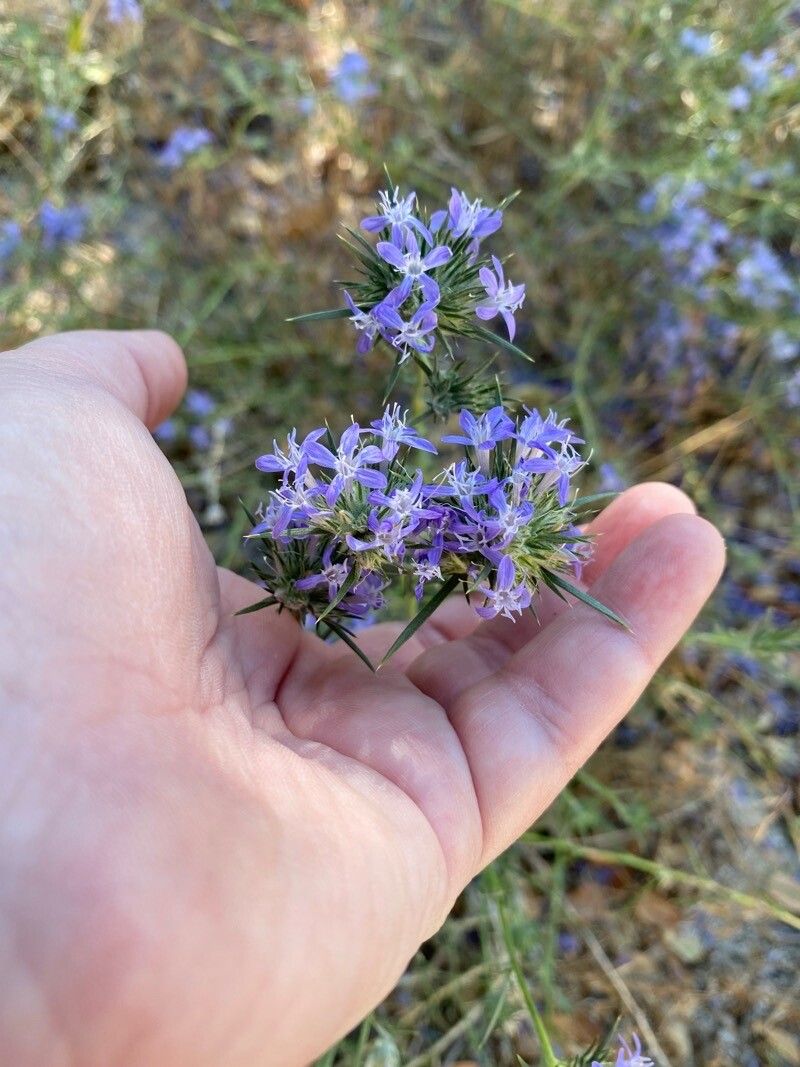
Unleashing the Beauty of White Navarretia: A Guide to Propagation
Navarretia leucocephala, more commonly known as White Navarretia or White Pincushionplant, is a charming little wildflower native to California. With its delicate white blooms bursting forth from spherical heads, it adds a touch of whimsy and ethereal beauty to gardens, wildflower meadows, and natural landscapes.
If you’re as captivated by this plant as many gardeners are, you might be wondering how to invite more of its unique charm into your life. The good news is that propagating Navarretia leucocephala, while not common practice, is achievable with a bit of patience and the right approach.
Two Pathways to Propagation:
Seeds: Navarretia leucocephala is primarily propagated by seed. Luckily, these seeds don’t require any pre-treatment for germination, which makes this method quite straightforward:
- Collection: After flowering, White Navarretia develops tiny, inconspicuous fruits containing the seeds. Collect these fruits in the late spring or early summer and allow them to dry thoroughly.
- Sowing: The ideal time to sow is in the fall. Scatter the seeds on the surface of well-draining soil, either directly into your garden bed or in starter trays.
- Light & Moisture: Lightly press the seeds into the soil but avoid burying them, as they require light for germination. Keep the soil consistently moist but not waterlogged throughout the germination period.
- Germination: Be patient! Germination usually takes several weeks.
- Cuttings: While less common, propagation from cuttings is possible and can be a faster way to get new plants:
- Timing: Take cuttings in the late spring to early summer from healthy, non-flowering stems.
- Preparation: Using a sharp, clean knife or pair of shears, cut a 3-4 inch section of stem just below a leaf node. Remove the lower leaves to prevent rot.
- Rooting Hormone (Optional): Dipping the cut end in rooting hormone can increase the chances of success.
- Planting: Plant the cuttings in a well-draining potting mix and place them in a location with bright, indirect light.
- Humidity & Moisture: Maintaining a humid environment is crucial. You can do this by covering the cuttings with a plastic bag or using a humidity dome. Keep the soil consistently moist.
- Root Development: With a bit of luck, the cuttings should develop roots within a few weeks. Once roots are established, you can transplant them into larger pots or directly into your garden.
Patience is Key:
Regardless of your chosen method, remember that Navarretia leucocephala, like many wildflowers, can be a bit temperamental. Don’t lose heart if your first attempt isn’t fruitful. Keep trying, and with a little dedication, you’ll soon be rewarded with a beautiful display of these charming white blooms.
A Note on Sustainability:
While propagating your own White Navarretia can be rewarding, remember that this plant plays a vital role in its native ecosystem. Always collect seeds responsibly and consider obtaining plants from reputable nurseries that specialize in native species conservation. By supporting responsible practices, you can contribute to the long-term health and beauty of our natural world.