
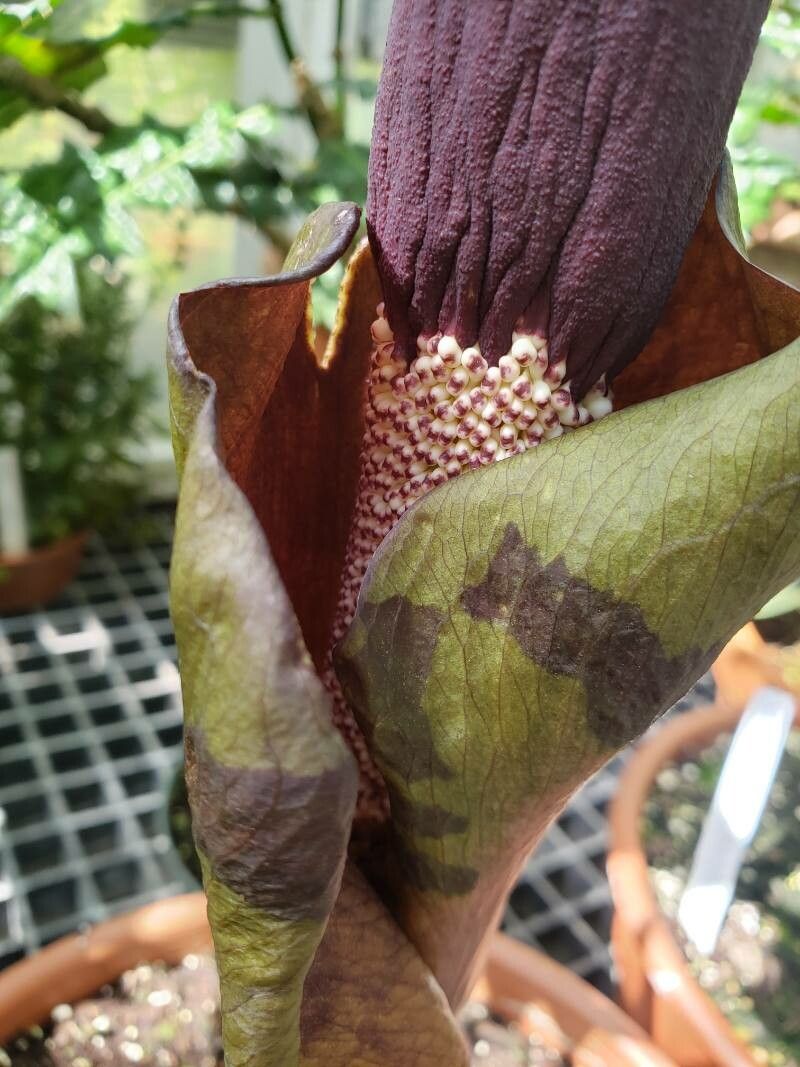
Unlocking the Mystery: Propagating the Corpse Flower’s Tamer Cousin, Amorphophallus konjac
The world of plants is full of surprises, and few are as fascinating as the Amorphophallus konjac, often called the voodoo lily, devil’s tongue, or more amusingly, the corpse flower’s tamer cousin. While not as infamously pungent as its giant relative (Amorphophallus titanum), this intriguing plant still boasts a unique lifecycle and a rather striking appearance. If you’re looking to add a touch of the exotic to your home, propagating your own konjac can be a rewarding experience.
Propagation Methods: A Two-Pronged Approach
The good news is that Amorphophallus konjac can be propagated in two ways: by division of offsets and by seed. Each method comes with its own set of advantages and considerations:
1. Offset Division: The Easy Route to More Konjacs
- When to do it: This method is best done in late winter or early spring when the plant is dormant.
- How to do it: Gently dig up the mature konjac, taking care not to damage the main corm (the underground bulb-like structure). Look for smaller corms or “offsets” attached to the parent corm. Carefully detach these offsets, ensuring each has some roots attached. Plant the offsets and the parent corm separately in well-draining soil.
2. Seed Propagation: For the Patient Gardener
- The challenge: Konjac seeds are not always easy to come by and require a bit more patience.
- The process: If you do get your hands on some fresh seeds, sow them in a well-draining seed starting mix. Keep the soil consistently moist and warm. Germination can take anywhere from a few weeks to several months. Be prepared for a wait and don’t be discouraged if not all seeds sprout.
Caring for Your Newly Propagated Konjacs
Regardless of your chosen propagation method, providing the right care for your new konjac plants is crucial for their success.
- Soil: A well-draining potting mix is essential to prevent root rot.
- Light: Konjacs prefer bright, indirect light.
- Water: Allow the soil to dry out slightly between waterings. During dormancy (fall and winter), reduce watering significantly.
- Fertilizer: Feed your konjacs with a balanced fertilizer during the growing season.
A Rewarding Experience Awaits
Propagating your own Amorphophallus konjac is a rewarding experience that allows you to witness the full lifecycle of this fascinating plant. Whether you choose the relative ease of offset division or the patient journey of seed propagation, remember to provide appropriate care, and you’ll be rewarded with a unique and captivating addition to your indoor plant collection.