
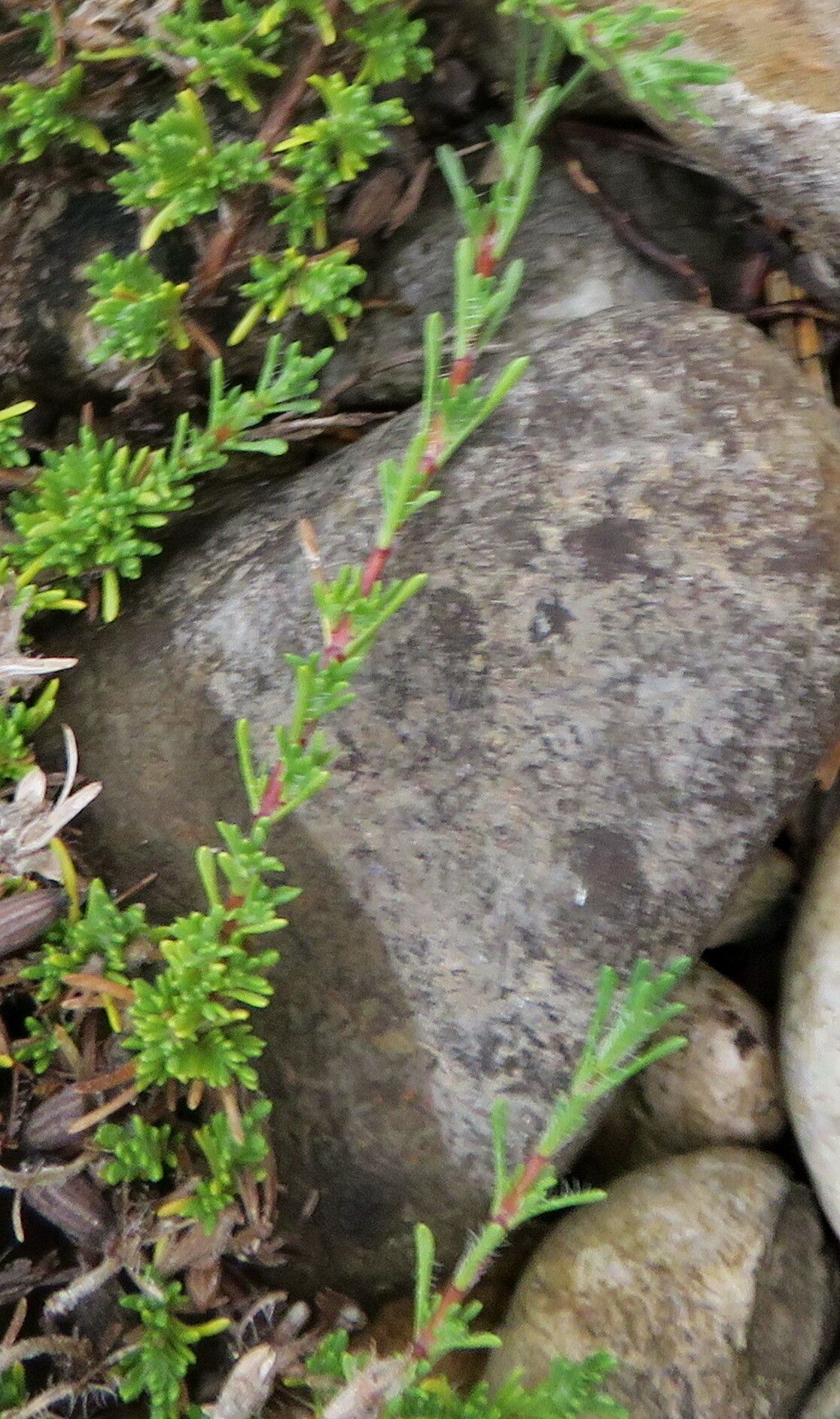
Unleashing the Aromatic Power of Thymus daghestanicus: A Propagation Guide
Thymus daghestanicus, a mouthful of a name for a plant with a powerful punch of aroma! This low-growing, hardy groundcover, native to the Caucasus region, is a treasure trove of fragrance and resilience. If you’re looking to invite this tenacious little beauty into your garden, you’ll be delighted to know that propagating Thymus daghestanicus is a relatively simple adventure. Let’s explore the methods to multiply your thyme and fill your outdoor space with its captivating scent.
Three Paths to Propagation Success:
Thymus daghestanicus offers several routes to propagation, each with its own charm:
1. Seed Starting: For the Patient Gardener
- Timing: Early spring indoors or directly sow outdoors after the last frost.
Process: Sow seeds thinly on the surface of well-draining seed starting mix. Lightly press the seeds in, but don’t bury them. Keep the soil consistently moist until germination (which can take 2-3 weeks) and offer bright, indirect light.
- Pros: The most economical method, ideal for large-scale propagation.
- Cons: Requires patience, seedlings take time to mature.
2. Cuttings: The Clonal Shortcut
- Timing: Late spring or early summer during active growth.
Process: Using clean, sharp shears, take 3-4 inch cuttings from healthy stems, making the cut just below a leaf node. Remove the lower leaves and dip the cut end in rooting hormone (optional but helpful). Plant the cuttings in a well-draining potting mix and keep the soil consistently moist.
- Pros: Relatively quick, ensures plants identical to the parent.
- Cons: Requires access to a healthy parent plant.
3. Division: Separating for Expansion
- Timing: Spring or fall.
Process: Carefully dig up an established plant. Gently tease apart the root ball into smaller sections, ensuring each division has a healthy amount of roots and shoots. Replant the divisions at the same depth as the original plant.
- Pros: Produces mature plants ready to thrive.
- Cons: Can be disruptive to the parent plant.
Post-Propagation Care: Nurturing New Beginnings
No matter your chosen method, providing the right environment is key to success:
- Sunlight: Thymus daghestanicus thrives in full sun (at least 6 hours daily).
- Soil: Well-draining soil is essential to prevent root rot. Amend heavy clay soils with sand or grit.
- Water: Water deeply but infrequently once established, allowing the soil to dry out between waterings.
Fertilizer: These tough plants prefer lean soil and typically don’t require fertilization.
Rewards Worth the Effort:
Propagating your own Thymus daghestanicus is a rewarding endeavor. Not only will you be multiplying this aromatic wonder, but you’ll also be able to share its joys with others. Plant it along walkways for a sensory delight, let it cascade over retaining walls for a touch of wildness, or add it to your herb garden for culinary creations. With a little effort, you can unleash the full potential of this hardy and fragrant herb, transforming your garden into an oasis of scent and beauty.