
Unlocking the Secrets of Clusia Octandra Propagation: A Step-by-Step Guide
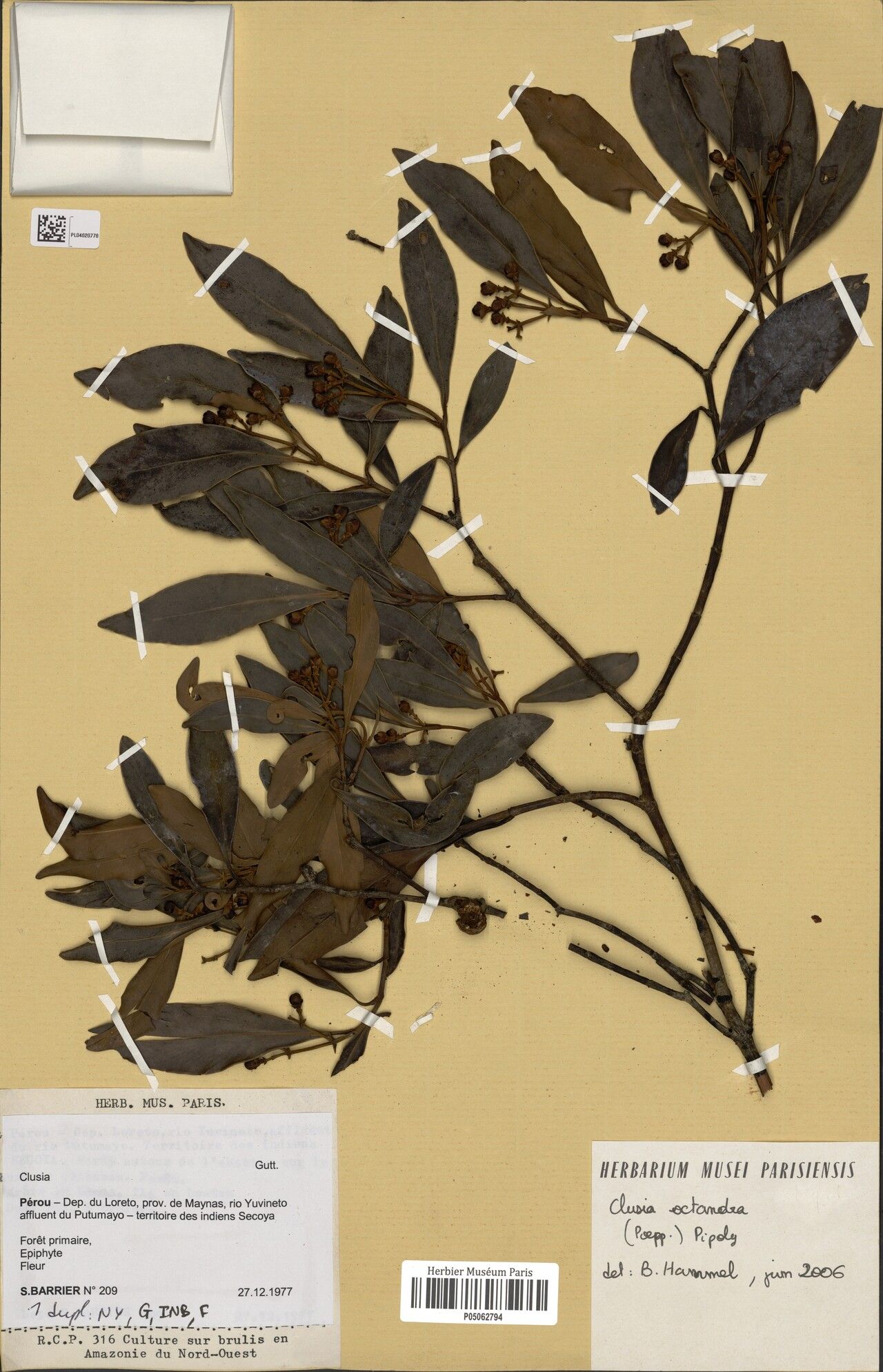
The Clusia octandra, also known as the “Pitch Apple” for its sticky sap, is a captivating evergreen with glossy leaves and charming white blossoms. Native to the Caribbean, this intriguing plant is gaining popularity for its resilience, low-maintenance nature, and unique growth habits. If you’re eager to welcome this botanical beauty into your home, understanding its propagation methods is key. Luckily, the Clusia octandra is surprisingly versatile, offering several paths to success.
Method 1: Stem Cuttings – Harnessing the Power of Regeneration
Stem cutting is the most popular and often the most successful method for propagating Clusia octandra. Here’s how it works:
- Gather your tools: You’ll need a sharp, sterilized knife or pruning shears, rooting hormone (optional but recommended), a small pot, and well-draining potting mix.
- Take the cutting: Choose a healthy, non-flowering stem that’s at least 4-6 inches long. Make a clean cut just below a leaf node. Remove the leaves from the bottom inch of the stem.
- Encourage rooting: Dip the cut end of the stem into rooting hormone, gently tapping off any excess. This step encourages faster and stronger root development.
- Plant the cutting: Make a small hole in the potting mix and carefully insert the treated end of the stem. Gently firm the soil around the cutting, ensuring it stands upright.
- Provide the right environment: Place the pot in a warm, bright location, out of direct sunlight. Maintain a moderately moist environment, being careful not to overwater.
- Be patient: Rooting can take several weeks to a couple of months. You’ll know it’s working when you see new growth.
Method 2: Air Layering – Branching Out for New Beginnings
Air layering is another effective method, particularly for propagating larger Clusia octandra plants:
- Choose a branch: Select a healthy branch that’s at least ½ inch thick and close to the main stem.
- Create a wound: Make a small, upward-angled cut about 1-2 inches long on the underside of the branch. You can also gently scrape off a ring of bark around this area.
- Apply rooting hormone (optional): Dust the wounded area with rooting hormone to accelerate the process.
- Wrap with Sphagnum moss: Soak a handful of sphagnum moss in water, squeeze out excess, and wrap it around the wounded area, securing it with plastic wrap or a rooting pouch.
- Maintain moisture: Regularly check the moss and mist it with water to keep it damp.
- Separate the layer: Once roots have developed within the moss (usually within a few months), carefully cut the branch below the rooted section and pot it up in well-draining soil.
Tips for Success:
- Timing is key: Spring and early summer are ideal for propagation, when the plant is actively growing.
- Patience is a virtue: Don’t get discouraged if rooting takes time. Maintain consistent care, and success will follow.
- Experiment and learn: Try both methods to see which one works best for you and your Clusia octandra.
By mastering these propagation techniques, you can cultivate a thriving collection of Clusia octandra plants, sharing their unique beauty with friends and family, and adding a touch of tropical charm to your home.