
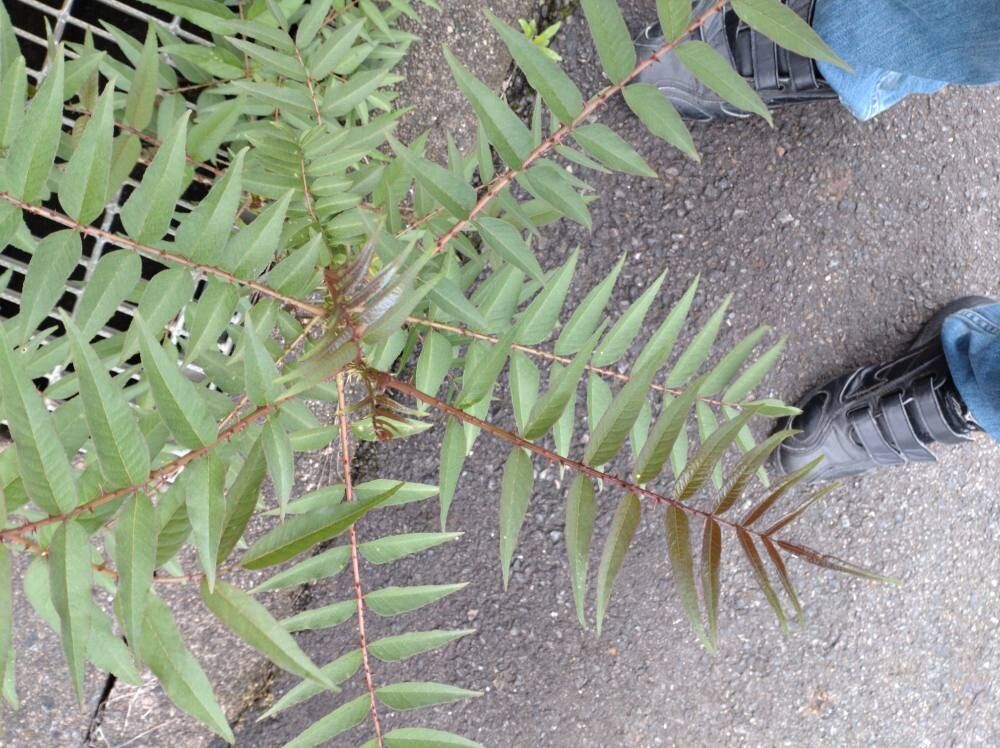
Taming the Toothy Spice: Propagation Techniques for Zanthoxylum ailanthoides
Zanthoxylum ailanthoides, also known as the Japanese pepper tree or Szechuan pepper, is a fascinating plant that captivates with its ornamental beauty and culinary potential. The citrusy, tingling sensation produced by its peppercorns (actually seed pods) adds a unique dimension to Asian cuisine. If you’re intrigued by this culinary adventure and want to try growing your own, you’ll be happy to know that propagating Zanthoxylum ailanthoides is achievable, though it requires a little patience and some green-thumb dedication.
Understanding the Options: Seeds vs. Cuttings
There are two primary methods for propagating Zanthoxylum ailanthoides:
1. Seed Propagation:
This method mimics the natural reproduction cycle. Here’s a breakdown:
- Source: Collect ripe seed pods in the fall. Note that Zanthoxylum ailanthoides is dioecious, meaning you need both a male and female plant for seed production.
- Preparation: Extract the seeds from the pods and clean off any remaining pulp. They require a period of cold stratification to break dormancy. Mix the seeds with damp vermiculite or sand and store them in a sealed bag in the refrigerator for 6-8 weeks.
- Sowing: After stratification, sow the seeds in a seed-starting mix, keeping them consistently moist but not waterlogged. Germination can be slow and sporadic, sometimes taking several months.
- Pros: Economical and rewarding to nurture plants from the very start.
- Cons: Slow and potentially lower success rate compared to cuttings.
2. Propagation from Cuttings:
This technique encourages root development from stem sections. Here’s how it works:
- Timing: Take cuttings in late spring or early summer when the plant is actively growing.
- Selection: Choose healthy, semi-hardwood stems (flexible but not too soft) that are about 4-6 inches long.
- Preparation: Remove the leaves from the bottom half of the cutting. Dip the cut end in rooting hormone to enhance root development.
- Planting: Insert the cuttings into a well-draining rooting mix, maintaining warmth and humidity. You can cover the pot with a plastic bag to create a mini-greenhouse.
- Rooting: Cuttings generally take 4-8 weeks to root. Gently tug on the cutting; if you feel resistance, roots have likely formed.
- Pros: Faster than seed propagation and often yields a higher success rate.
- Cons: Requires access to a mature plant for sourcing cuttings.
Caring for Your New Propagations
Regardless of the method you choose, young Zanthoxylum ailanthoides plants need consistent care:
- Light: Provide bright, indirect sunlight.
- Watering: Keep the soil consistently moist but not waterlogged.
- Fertilizer: Use a balanced, diluted fertilizer every few weeks during the growing season.
- Transplanting: Once the plant has developed a good root system, transplant it to a larger container or, if the weather permits, directly into the ground.
Reap the Rewards of Your Labor
Propagating your own Zanthoxylum ailanthoides is a rewarding experience. Not only will you have the satisfaction of growing a unique and valuable plant, but you’ll also have a fresh supply of its prized Szechuan peppercorns to add a spark of excitement to your culinary creations.