
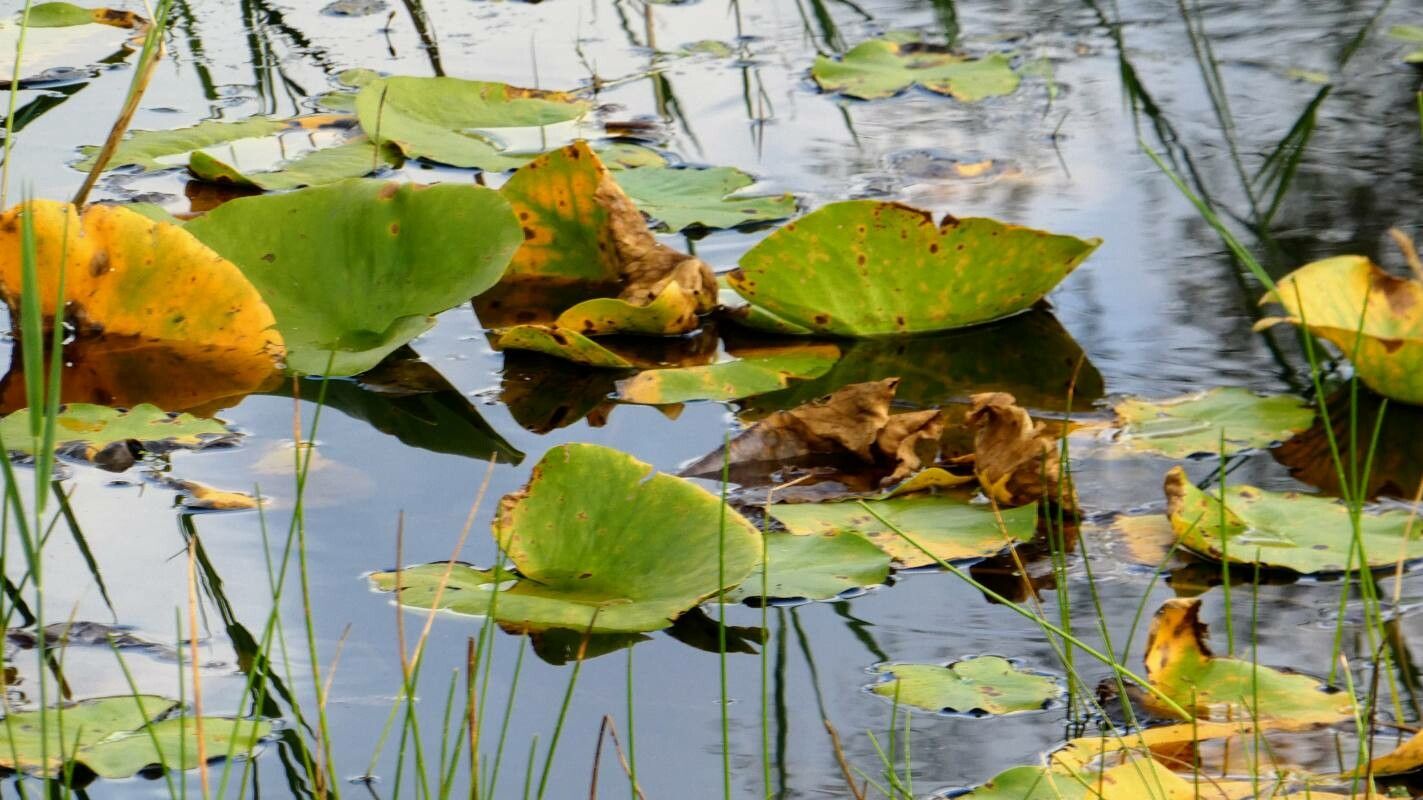
Unlocking the Secrets of the Yellow Water Lily: A Guide to Propagating Nuphar lutea
The Yellow Water Lily (Nuphar lutea), with its vibrant yellow blossoms and iconic floating leaves, is a captivating addition to any water garden. While admiring its beauty is a pleasure, knowing how to propagate this aquatic wonder allows you to multiply your enjoyment and even share its allure with others.
This guide delves into the fascinating world of Nuphar lutea propagation, exploring two effective methods: seed propagation and division.
Method 1: Seed Propagation – A Journey from Tiny Seed to Majestic Bloom
While slightly more time-consuming, seed propagation offers a rewarding experience, allowing you to witness the entire life cycle of the Yellow Water Lily.
Step 1: Seed Collection and Preparation:
- Timing is key: Collect ripe seeds in late summer or early fall when the seed pods turn brown and begin to split open.
- Extract and clean: Gently break open the pods to release the seeds. Remove any debris and rinse them thoroughly in water.
Step 2: Stratification (Mimicking Winter’s Chill):
- Why stratify? Yellow Water Lily seeds require a period of cold dormancy to break their natural inhibitors and encourage germination.
- The process: Place the cleaned seeds in a damp paper towel, seal them in a plastic bag, and store them in the refrigerator for 6-8 weeks.
Step 3: Sowing the Seeds:
- Creating the nursery: Fill small pots or seed trays with a mixture of loam and aquatic compost.
- Sowing: Plant the stratified seeds about an inch deep in the soil.
- Water and sunlight: Keep the soil consistently moist and place the pots in a sunny location.
Step 4: Transplanting:
- Once the seedlings develop a few sets of leaves and a strong root system (usually after a couple of months), they are ready to be transplanted into larger pots or directly into your pond.
Method 2: Division – A Quick and Reliable Approach
For a faster and more predictable outcome, consider propagating Nuphar lutea through division.
Step 1: Timing:
- The ideal time for division is in spring when the water lily shows signs of new growth.
Step 2: Lifting and Dividing:
- Careful extraction: Gently lift the entire plant from its container or pond, ensuring minimal damage to the roots.
- Dividing the rhizome: Using a sharp, clean knife, cut the rhizome into sections, ensuring each section has at least one healthy growing point (a bump or bud on the rhizome).
Step 3: Replanting:
- Preparing the new location: Choose a spot with similar depth and light conditions as the parent plant.
- Replanting: Place the divided sections into the pond or container, ensuring the growing points are facing upwards.
Caring for Your New Water Lilies:
Regardless of the propagation method, provide your new Yellow Water Lilies with proper care:
- Sunlight: Ensure at least 6 hours of direct sunlight for optimal growth and flowering.
- Water Depth: Plant them in water depths of 12-18 inches.
- Fertilization: Use aquatic fertilizer tablets according to package instructions to provide essential nutrients.
By understanding the propagation techniques for this stunning aquatic plant, you can enjoy its serene beauty for years to come and create a thriving ecosystem in your very own backyard pond. So why wait? Dive in and discover the magic of propagating Nuphar lutea!