
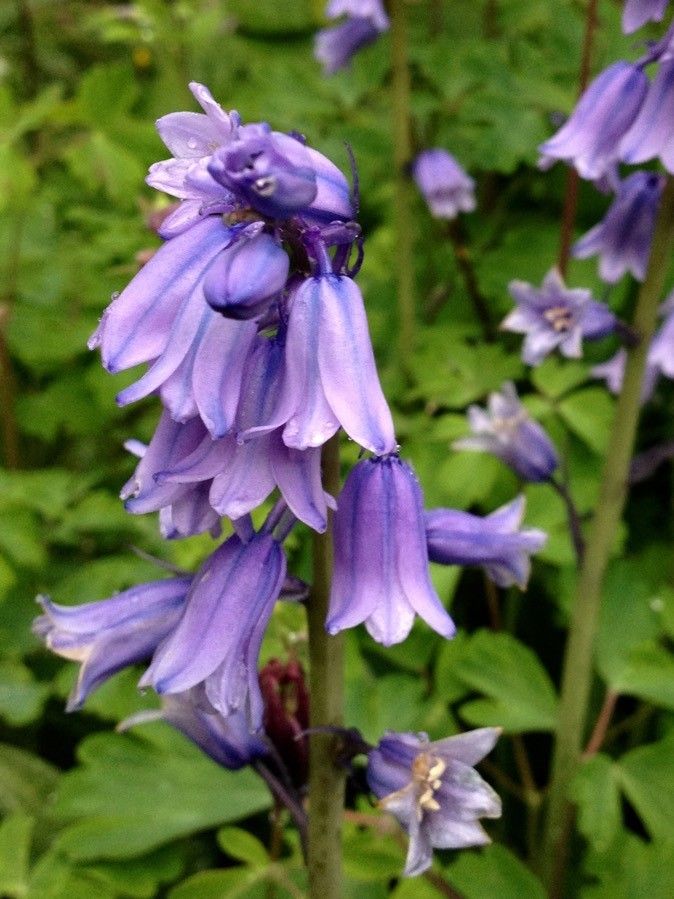
Unlocking the Magic of Bluebells: Propagating Hyacinthoides non-scripta
Few sights are as enchanting as a woodland carpeted in bluebells come springtime. These delicate, bell-shaped blooms, scientifically known as Hyacinthoides non-scripta, hold a special place in many hearts, evoking a sense of wonder and the ephemeral beauty of nature. But did you know you can cultivate this magic in your own garden? While it requires patience and understanding, propagating Hyacinthoides non-scripta is a rewarding endeavor for any plant enthusiast.
There are two primary methods for propagating these beautiful bluebells:
1. Seed Propagation: A Lesson in Patience
- Timing is Key: Collect seeds from the mature, papery seed pods in late spring or early summer, ideally just as they begin to split open.
- Sowing the Magic: Sow the seeds directly into pots or a prepared seedbed filled with well-draining, humus-rich compost. Remember, bluebell seeds need light to germinate, so press them lightly onto the surface rather than burying them deep.
- Patience is a Virtue: Germination can be slow and erratic, taking anywhere from a few weeks to two years. Don’t lose heart! Keep the seedbed consistently moist but not waterlogged.
- Transplanting Time: Once the seedlings are large enough to handle, typically after a year or two, transplant them to their final location in the garden. Choose a spot with dappled shade and moist, well-drained soil that mimics their natural woodland habitat.
2. Bulb Division: A Faster Path to Blooms
- Digging Deep: After flowering, carefully dig up a mature clump of bluebells. Ensure you’ve chosen a healthy clump to maximize your chances of success.
- Gentle Separation: Gently tease apart the bulb offsets from the parent bulb, ensuring each offset has its own roots attached.
- Replanting: Replant the offsets immediately in their new location, spacing them about 10-15cm apart and ensuring the top of the bulb is just below the soil surface. Water them in well and provide a layer of mulch to retain moisture.
Tips for Success:
- Mimic Nature: Bluebells thrive in dappled shade and humus-rich, moist but well-drained soil. Replicating their natural woodland environment is key to their success.
- Patience is Paramount: Whether you choose seed or bulb propagation, remember that bluebells take time to establish. Don’t be disheartened if you don’t see a profusion of blooms immediately.
- Say No to Wild Collecting: Digging up bluebells from the wild is not only detrimental to their natural populations but also illegal in some areas. Always obtain your plants from reputable nurseries or propagate them from seeds or divisions of cultivated plants.
Propagating Hyacinthoides non-scripta is a beautiful journey of patience and observation. By understanding their natural life cycle and providing the right conditions, you can enjoy their enchanting blue hues year after year, transforming your garden into a haven for these woodland wonders.