
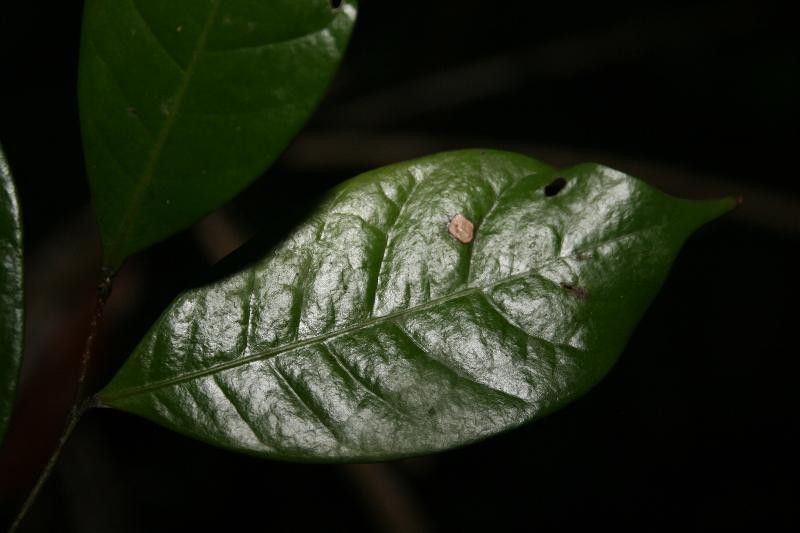
Cracking the Code: Propagating the Majestic Licania canescens
The Licania canescens, also known charmingly as the “Hickory Plum” or “Merecure,” is a majestic tree native to the tropical Americas. Adored for its dense foliage, gorgeous flowering displays, and intriguing fruit, this tree makes a stunning addition to parks and large gardens.
If you’re yearning to welcome this tropical beauty into your life (and have the space!), you might be wondering about the best way to grow one yourself. While not exactly a walk in the park, propagating Licania canescens is achievable for the determined plant enthusiast.
Method 1: The Seed Route – A Test of Patience
The most common method for propagating Licania canescens is through its seeds. Be warned, this method requires patience, as germination can be a bit of a waiting game:
- Source your seeds: You can collect ripe fruits directly from the tree or purchase seeds from reputable online vendors specializing in tropical plants.
- Prepare for germination: Licania canescens seeds have a hard outer shell that benefits from scarification. Gently rub the seed against sandpaper or a file until you see a slight change in color. Then, soak the seeds in warm water for 24-48 hours to encourage water absorption.
- Plant with care: Plant the seeds in a well-draining seed-starting mix, burying them approximately an inch deep. Keep the soil consistently moist but not waterlogged.
- Embrace the wait: Germination can take anywhere from a few weeks to a couple of months. Maintain a warm, humid environment for optimal results. A seedling heat mat can be helpful in cooler climates.
Method 2: Cuttings – A Faster Track (Sometimes)
Propagating from cuttings offers potentially faster results, but success isn’t always guaranteed:
- Choose wisely: Select healthy, semi-hardwood cuttings from the current year’s growth in late spring or early summer. The ideal cutting should be 6-8 inches long with several nodes.
- Prep your cuttings: Remove the leaves from the lower third of the cutting and dip the end in rooting hormone powder to encourage root development.
- Pot and protect: Plant the cuttings in a well-draining rooting mix, burying a few nodes below the surface. Cover the pot with a humidity dome or a clear plastic bag to maintain moisture.
- Monitor and care: Keep the soil consistently moist and place the cuttings in a warm, well-lit location, out of direct sunlight. Rooting can take several weeks.
Nurturing Your New Licania Canescens
Once your Licania canescens has successfully sprouted or your cuttings have developed roots, congratulations! Now comes the rewarding part of nurturing your young tree:
- Gradual acclimation: Whether grown from seed or cutting, slowly acclimate your plant to outdoor conditions before transplanting it to its final location.
- Sunlight and soil: Choose a sunny spot with well-draining soil for your Licania canescens. This tree appreciates full sun but can tolerate partial shade.
- Water and nutrients: Water your young tree regularly, especially during dry periods. Fertilize a few times a year with a balanced fertilizer.
Propagating Licania canescens might require a bit of effort, but the reward of witnessing this magnificent tree flourish under your care is truly something special. So summon your inner green thumb and enjoy the journey!