
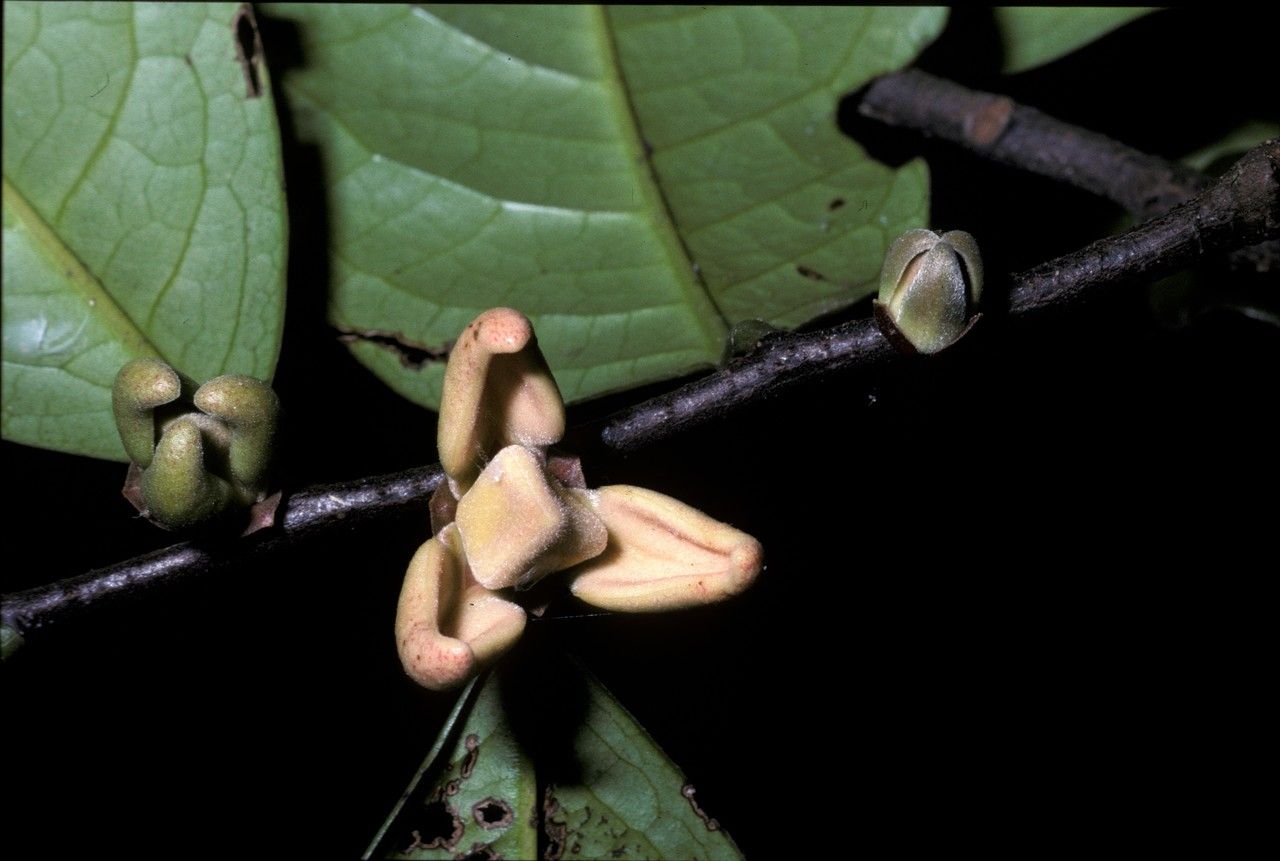
Unveiling the Secrets: How to Propagate the Exquisite Goniothalamus cardiopetalus
The Goniothalamus cardiopetalus, with its captivating fragrance and unique heart-shaped petals, is a true gem for tropical plant enthusiasts. However, finding this beauty can be rare, as it’s not commonly sold in nurseries. This is where the exciting world of plant propagation comes in! This article will guide you through the art of propagating Goniothalamus cardiopetalus, allowing you to expand your own collection and share this botanical treasure with others.
Understanding the Plant
Before we delve into propagation techniques, let’s get acquainted with our subject. Goniothalamus cardiopetalus is a small evergreen tree native to Southeast Asia. It thrives in warm, humid climates and prefers shady environments with well-drained soil.
Propagation Methods
While Goniothalamus cardiopetalus can be a bit finicky to propagate, patience and the right technique will reward you with successful offspring. Here are the two most effective methods:
- Source: The most challenging part is acquiring viable seeds. They are rarely available commercially, so your best bet is to connect with other collectors or botanical gardens who might be willing to share.
- Preparation: Goniothalamus seeds have a short shelf life and should be sown fresh for optimal germination. Gently clean off any pulp or debris and soak them in water for 24 hours before sowing.
- Sowing: Plant the seeds in a well-draining seed-starting mix, lightly covering them with soil. Maintaining high humidity is crucial, so consider using a propagator or creating a humid microclimate by covering the pot with a plastic bag.
- Patience: Germination can be slow and erratic, taking anywhere from a few weeks to several months. Be patient and provide consistent moisture and warmth (around 75-85°F).
- Transplanting: Once seedlings develop a couple of true leaves, they can be carefully transplanted into individual pots.
2. Stem Cuttings
- Timing: The best time for taking cuttings is during the plant’s active growing season, typically in spring or early summer.
- Selection: Choose healthy, semi-hardwood stems that are not flowering. The ideal cutting should be around 4-6 inches long with several nodes.
- Preparation: Remove the lower leaves from the cutting, leaving a few at the top. You can also lightly wound the base of the cutting to encourage root development.
- Rooting Hormone: While not mandatory, using a rooting hormone powder can significantly increase the success rate of rooting. Dip the wounded end in the hormone before planting.
- Planting: Insert the cutting into a pot filled with a well-draining rooting mix, ensuring at least one node is buried.
- Environment: Like seeds, cuttings require a warm, humid environment. Consider using a propagator or humidity dome to maintain optimal conditions.
- Rooting Time: Root development can take several weeks. You’ll know your cutting is successful when you see new growth.
Caring for Your Propagated Plants
Once your Goniothalamus cardiopetalus babies have rooted and started growing, continue providing them with the same care as mature plants: bright, indirect light, well-drained soil, and consistent moisture.
Propagating Goniothalamus cardiopetalus might require some effort, but the reward of successfully bringing new life to this extraordinary plant is incredibly fulfilling. So, embrace the challenge and enjoy the journey of becoming a plant propagation pro!