
Unlocking the Secrets of Micromeria pineolens Propagation: A DIY Guide to Cultivating This Aromatic Beauty
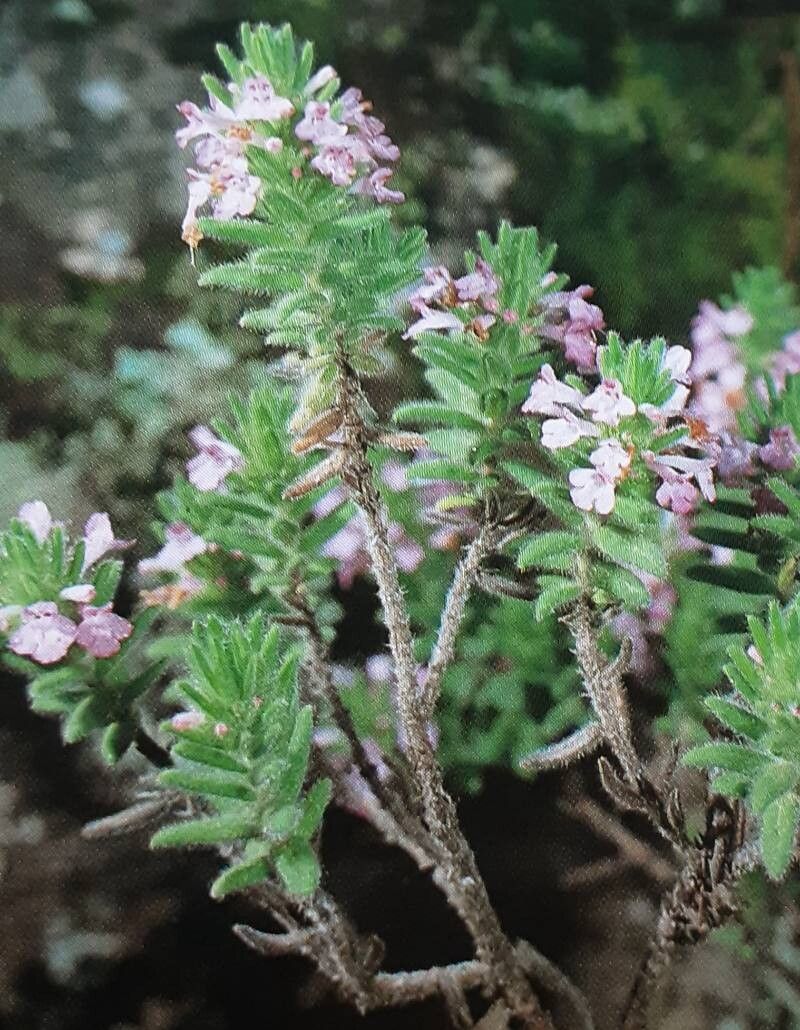
Micromeria pineolens, with its delicate foliage and intoxicating pine-like aroma, is a treasure for any plant lover. This charming, low-growing shrub, native to the Mediterranean region, is not only visually appealing but also surprisingly easy to propagate, allowing you to expand your collection and share its charm with others.
Ready to embark on a propagation adventure? Here’s a comprehensive guide:
1. Timing is Key:
The optimal time for propagating Micromeria pineolens is during its active growing season, preferably in spring or early summer. This period ensures the plant has ample energy reserves to dedicate to new growth.
Micromeria pineolens readily propagates through two primary methods:
Cuttings: This is the easiest and most popular method.
- Select healthy, non-flowering stems, ideally 3-4 inches long.
- Remove the lower leaves, leaving only a few at the top.
- Dip the cut end in rooting hormone (optional but recommended).
- Plant the cutting in a well-draining potting mix, ensuring the leaf nodes are buried.
- Keep the soil consistently moist and provide indirect sunlight.
- Roots should develop within 4-6 weeks, indicated by new growth.
Layering: This method involves encouraging roots to develop on a stem while it’s still attached to the mother plant.
- Choose a flexible stem close to the ground.
- Gently wound or scrape a small section of the stem.
- Bury the wounded section in the soil, securing it with a stake or rock.
- Keep the soil moist. Roots should form in 8-10 weeks, after which you can sever the newly rooted stem from the parent plant.
3. Post-Propagation Care:
- Transplanting: Once your new plants are established, transplant them into individual pots or your garden.
- Sunlight: Micromeria pineolens thrives in full sun to partial shade. Aim for at least 6 hours of sunlight daily.
- Watering: Water regularly, allowing the soil to dry slightly between waterings. Overwatering can lead to root rot.
- Soil: Well-draining soil is crucial. Amend your soil with perlite or sand for optimal drainage.
- Fertilizer: Fertilize monthly during the growing season with a balanced, diluted fertilizer.
Beyond Propagation: Enjoying Your Micromeria pineolens
This versatile plant thrives both indoors and outdoors. Use it to create fragrant ground cover, cascading over rocks in a rock garden, or add a touch of the Mediterranean to your patio containers. The leaves also release their delightful fragrance when crushed, making them perfect for potpourris or herbal sachets.
Troubleshooting:
- Yellowing leaves: Often a sign of overwatering. Adjust your watering schedule and ensure proper drainage.
- Leggy growth: Insufficient sunlight. Move the plant to a brighter location.
- Pests: Micromeria pineolens is relatively pest-free, but monitor for common houseplant pests like spider mites and aphids. Treat with an insecticidal soap if necessary.
With a little care and attention, you can easily propagate Micromeria pineolens and enjoy its beauty and fragrance for years to come. So why not try your hand at propagation and unlock the potential of this aromatic gem?