
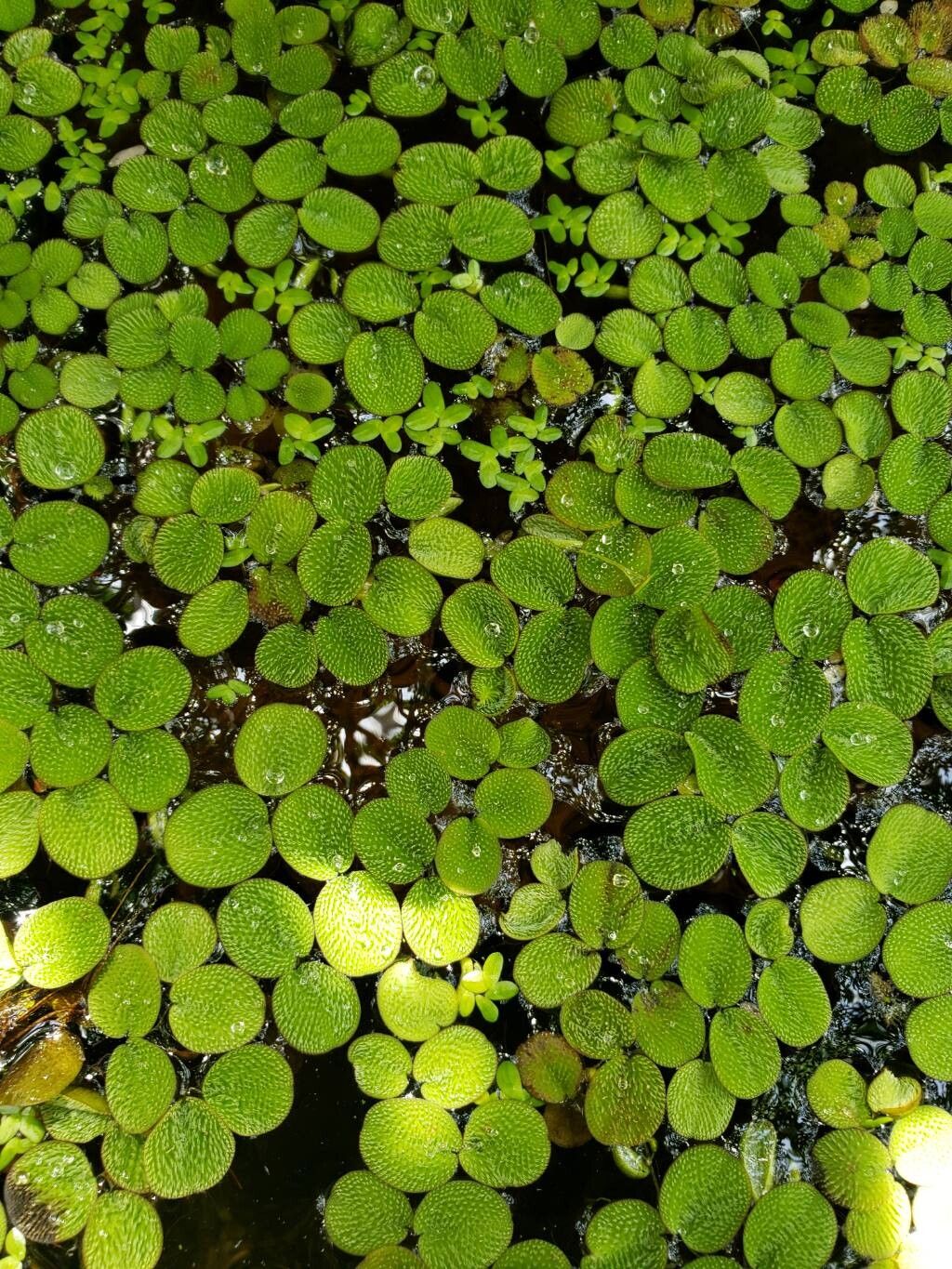
Doubling Down on Duckweed: The Easy Way to Propagate Salvinia Minima
Salvinia minima, also known as common salvinia or water spangles, is a captivating aquatic fern that effortlessly adds a touch of green elegance to any water feature or aquarium. Its small, fuzzy leaves float on the water’s surface, creating a captivating tapestry of texture and color. If you’re lucky enough to have some Salvinia minima gracing your life, you’ll be happy to know that propagating this charming plant is surprisingly simple. Let’s dive into the effortless world of Salvinia minima propagation!
Understanding the Basics: A Plant That Multiplies Like Magic
Before we jump into the how-to, it’s helpful to understand the natural growth pattern of Salvinia minima. Unlike plants that rely on seeds or cuttings, Salvinia minima primarily reproduces through a process called vegetative propagation. In simpler terms, this means it creates copies of itself! The plant produces side shoots, technically known as “daughter plants,” which develop from the parent plant and eventually detach to form independent entities. This rapid multiplication makes propagating Salvinia minima incredibly easy and rewarding.
Methods for Propagation: Choose Your Adventure!
1. Natural Division:
The most straightforward way to propagate Salvinia minima is to let nature run its course. As your plant grows and multiplies, gently separate the daughter plants from the parent once they have developed a few leaves of their own. You can do this by carefully pulling them apart or using sharp, clean scissors.
2. Spores: Nature’s Tiny Time Capsules (For the Patient Planter)
While less common and slightly more challenging, Salvinia minima can also reproduce via spores. These microscopic reproductive units are housed in small, brown sacs called sporocarps, found on the underside of the leaves. If you’re feeling adventurous, you can collect these sporocarps, allow them to dry, and then release the spores into a suitable aquatic environment. Be patient, as spore propagation takes longer than division.
Creating the Ideal Environment for Successful Propagation
Regardless of your chosen propagation method, replicating Salvinia minima’s preferred growing conditions is key to success:
- Still or Slow-Moving Water: Salvinia minima thrives in calm water environments, such as ponds, lakes, or slow-moving streams. Avoid strong currents or waterfalls, as these can damage the delicate plants.
- Plenty of Light: Bright, indirect sunlight is ideal for optimal growth. If you’re growing Salvinia minima indoors, consider using fluorescent grow lights to supplement natural sunlight.
- Nutrient-Rich Water: While Salvinia minima isn’t overly demanding, it appreciates nutrient-rich water. A diluted liquid fertilizer specifically formulated for aquatic plants can be added sparingly.
- Temperature Control: Salvinia minima prefers warm temperatures between 70-82°F (21-28°C). Avoid exposing the plant to extreme temperature fluctuations.
A Few Final Tips for Success:
- Start with healthy parent plants: Choose vibrant Salvinia minima plants with no signs of disease or damage for propagation.
- Be gentle: Salvinia minima is delicate, so handle the plants with care during division.
- Patience is a virtue: Allow your newly propagated plants time to establish themselves. You’ll soon be rewarded with a thriving colony of these captivating aquatic ferns.
Propagating Salvinia minima is an enriching experience that allows you to witness the wonders of plant reproduction firsthand. With a little care and attention, you can easily multiply your Salvinia minima collection and enjoy their unique beauty for years to come.