
Multiply the Magic: Propagating Your Own Dianthus Graniticus
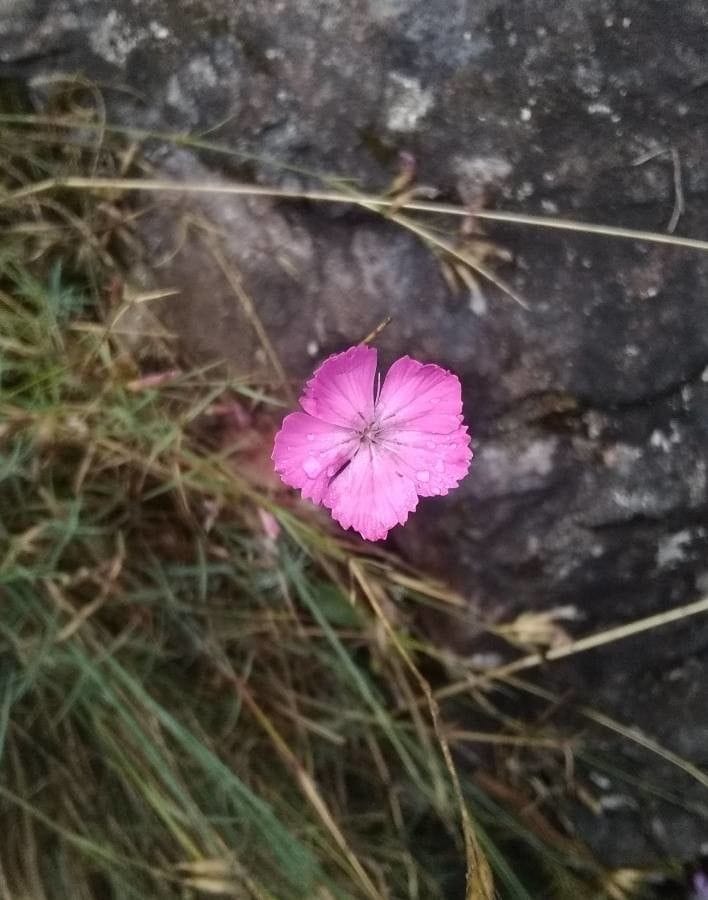
Dianthus graniticus, with its charmingly tousled petals and vibrant pink hues, is a welcome burst of color in any garden. While readily available at nurseries, there’s a special kind of satisfaction that comes from propagating your own. Plus, it’s a fantastic way to expand your collection without breaking the bank!
Luckily, Dianthus graniticus is relatively easy to propagate, giving you several methods to choose from:
1. Seed Starting:
- Timing is Key: Spring is the ideal time to sow Dianthus graniticus seeds indoors. You can begin about 6-8 weeks before your last expected frost.
- Sowing the Seeds: Scatter seeds thinly across the surface of a well-draining seed starting mix. Don’t bury them deeply – just press them lightly into the surface.
- Light and Warmth: Dianthus seeds need light to germinate. Place your seed tray in a bright location, but out of direct sunlight. Aim for a consistent temperature of around 65-70°F (18-21°C).
- Keep it Moist: Use a spray bottle to mist the soil regularly to keep it evenly moist. Avoid overwatering, as this can lead to damping-off, a fungal disease that can kill seedlings.
- Transplanting Triumph: Once your seedlings have developed a couple of sets of true leaves, you can transplant them into individual pots or outdoors after the danger of frost has passed. Remember to harden off your seedlings before planting them in their final location.
2. Cuttings:
- Cut it Right: Take softwood cuttings from healthy, non-flowering stems in late spring or early summer. Cuttings should be about 3-4 inches (7-10 cm) long.
- Prepare the Cuttings: Remove the lower leaves from the bottom inch or two of the stem. This is where the roots will develop. Dip the cut end in rooting hormone powder (optional but helpful) to encourage faster rooting.
- Planting Your Cuttings: Plant the cuttings in a pot filled with a well-draining potting mix. Make sure the nodes where the leaves were removed are buried beneath the soil line.
- Creating a Humid Environment: Cover the pot with a clear plastic bag or use a humidity dome to create a warm, humid environment. This helps to retain moisture and encourage rooting.
- Patience is a Virtue: It will take several weeks for roots to develop. Once you see new growth, you’ll know your cuttings have taken root. Gradually acclimate them to outdoor conditions before transplanting.
3. Division:
- Division Time: Early spring or late fall is the best time to divide established Dianthus graniticus plants.
- Digging Deep: Carefully dig up the plant you want to divide, making sure to get as much of the root system as possible.
- Divide and Conquer: Use a sharp knife or garden shears to divide the plant into multiple sections. Ensure each section has both healthy roots and shoots.
- Replanting: Replant the divisions at the same depth they were growing originally. Space them about 12 inches (30 cm) apart. Water well and keep the soil consistently moist, but not waterlogged.
Tips for Success:
- Dianthus graniticus thrives in well-drained soil and full sun to partial shade.
- When planting, amend the planting hole with compost to improve drainage and provide nutrients.
- Deadhead spent blooms regularly to encourage more flowering.
- Protect your plants from harsh winter conditions by mulching around the base in colder climates.
Propagating Dianthus graniticus is a rewarding experience for any gardener, no matter your skill level. With a little patience and care, you’ll soon have an abundance of these delightful blossoms to adorn your garden beds, borders, and containers. So go forth, multiply the magic, and enjoy the bounty of your blooming success!