
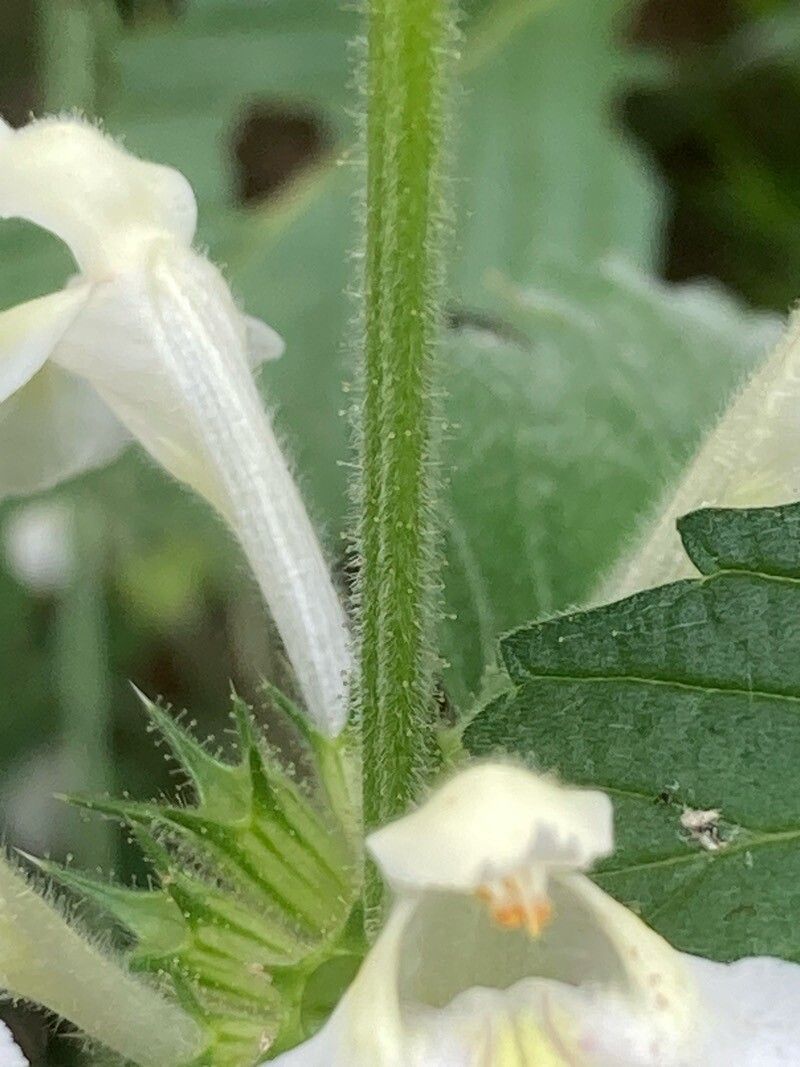
Unleashing the Golden Beauty: Propagating the Downy Hemp-nettle (Galeopsis segetum)
The Downy Hemp-nettle (Galeopsis segetum), despite its somewhat unassuming name, boasts delicate golden flowers that can brighten any wildflower meadow or naturalist garden. Now, while “hemp-nettle” might bring to mind prickly encounters, rest assured, this beauty won’t sting!
If you’re captivated by the Downy Hemp-nettle’s charm and want to welcome it into your own space, propagation is surprisingly straightforward. Let’s explore the two main methods to propagate this lovely wildflower:
1. Seed Propagation: Embracing the Cycle of Nature
The Downy Hemp-nettle generously produces seeds, making this the most common and efficient propagation method. Here’s a step-by-step guide:
a) Seed Collection: As the flowering season ends, you’ll notice small, brown seed pods developing. Collect these pods once they turn dry and papery, usually in late summer or early fall.
b) Seed Preparation (Optional): While not mandatory, cold stratification can enhance germination rates. Simply store the seeds in a moist paper towel inside a sealed plastic bag in your refrigerator for 4-6 weeks before sowing.
c) Sowing: In spring, once the danger of frost has passed, directly sow the seeds in your desired location. Choose a sunny or partially shaded spot with well-drained soil. Scatter the seeds evenly and lightly rake them into the surface.
d) Watering: Keep the soil consistently moist but not waterlogged until the seeds germinate, which usually takes 2-3 weeks.
e) Thinning: Once the seedlings have developed a few sets of true leaves, thin them out to provide adequate spacing (about 12 inches apart) for optimal growth.
2. Cuttings: A Fast-Track to New Growth
For a quicker way to propagate the Downy Hemp-nettle, consider taking cuttings:
a) Timing is Key: The best time for cuttings is late spring or early summer when the plant is actively growing.
b) Selecting the Cutting: Choose a healthy, non-flowering stem that is about 4-6 inches long.
c) Preparing the Cutting: Remove the lower leaves from the stem, leaving 2-3 pairs at the top.
d) Rooting Hormone (Optional): While not essential, dipping the cut end in rooting hormone can encourage faster root development.
e) Planting the Cutting: Plant the prepared cutting in a pot filled with a well-draining potting mix. Keep the soil moist and place the pot in a bright location, out of direct sunlight.
f) Transplanting: Once the cutting shows signs of new growth (usually within a few weeks), it’s a good indication that roots have developed. Gradually acclimate the cutting to outdoor conditions before transplanting it to its final location.
Caring for Your New Downy Hemp-nettle Companions:
This resilient plant requires minimal care. Water during dry periods and remove any competing weeds. Deadheading spent flowers can prolong the blooming period and prevent unwanted self-seeding if you prefer to manage its spread.
By embracing either seed propagation or taking cuttings, you can easily invite the captivating charm of the Downy Hemp-nettle to grace your garden, creating a haven for pollinators and a symphony of golden hues.