
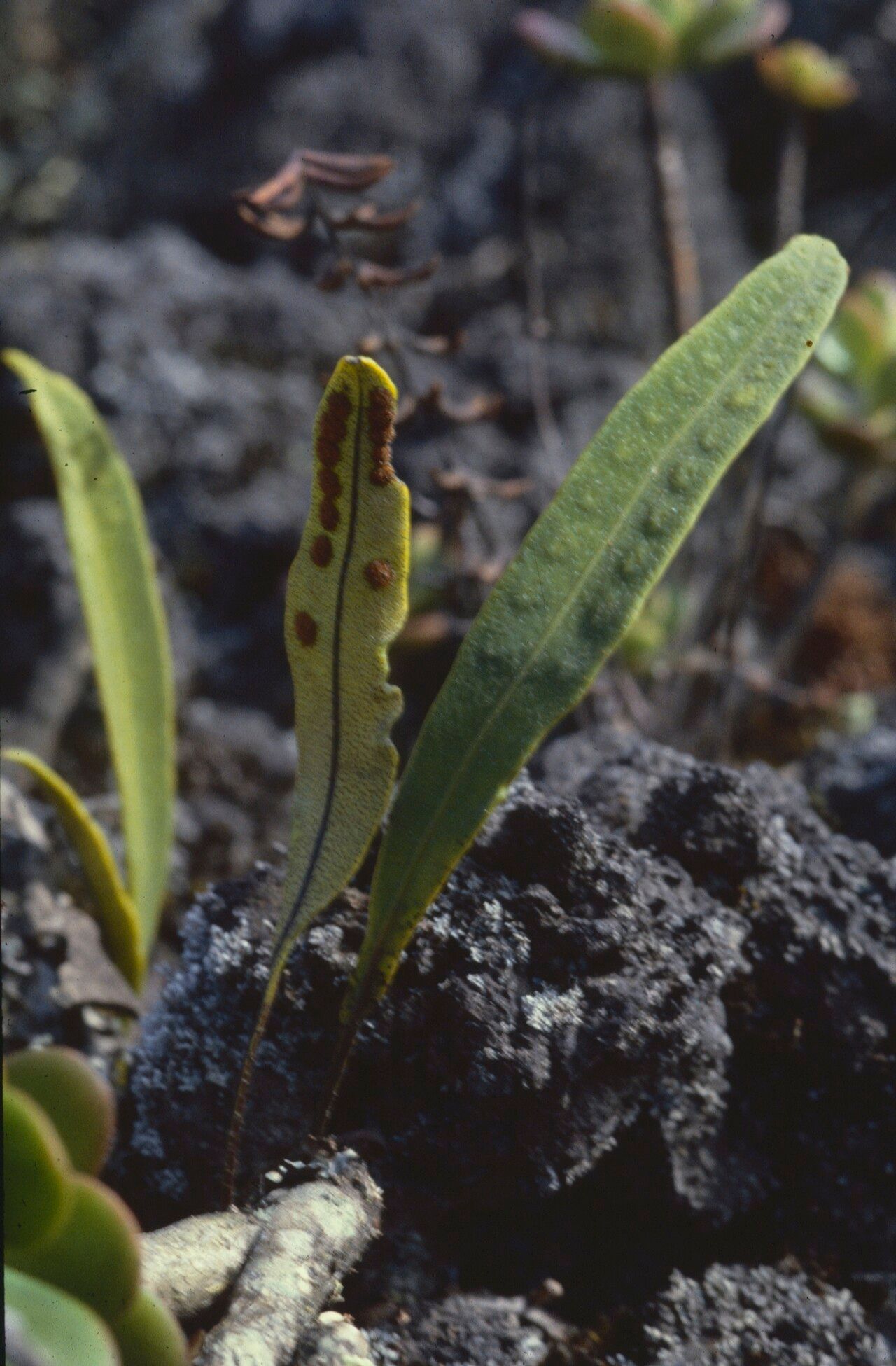
Unlocking the Secrets of Resurrecting Ferns: Propagating Your Pleopeltis Polylepis
The Pleopeltis polylepis, also known as the Resurrection Fern for its incredible ability to spring back to life after seeming desiccation, is a fascinating and beautiful addition to any plant lover’s collection. Native to the Americas, this epiphytic fern, with its distinctive, shingle-like fronds, thrives in a variety of environments, making it a relatively low-maintenance houseplant. But what about propagating this marvel of nature?
While Resurrection Ferns primarily reproduce through spores, a notoriously tricky process reserved for the patient gardener, fear not! Division offers a more accessible and efficient method for multiplying your fern family.
Division: Mimicking Nature’s Way
In their natural habitat, Resurrection Ferns often spread via rhizome division – a natural cloning process. We can replicate this easily at home. Here’s how:
When To Divide:
- The ideal time is during the warmer months when the fern is actively growing (spring or early summer).
- Look for a healthy, mature fern with multiple rhizome sections (“creeping roots” that grow horizontally).
What You’ll Need:
- A sharp, sterilized knife or pair of scissors
- Fresh, well-draining potting mix (a blend formulated for epiphytes is ideal)
- A pot slightly larger than the divided section
- Optional: Rooting hormone
The Division Process:
- Carefully remove the fern from its pot: Gently loosen the soil around the edges and ease the plant out.
- Identify division points: Look for natural separations in the rhizome where multiple clusters of fronds emerge. Aim for sections with at least 3-4 healthy fronds.
- Divide with Precision: Using your sterilized tool, carefully cut through the rhizome, ensuring each division has its own set of roots and fronds.
- Potting the Divisions: Prepare your pot with the potting mix. Plant each division at the same depth it was previously growing, ensuring the rhizome is covered but not buried too deep.
- Post-Division Care: Water thoroughly after potting, allowing excess water to drain. Place the newly potted divisions in a warm, humid environment with indirect light. Avoid direct sunlight, which can scorch the delicate fronds.
Nurturing New Beginnings:
Keep the potting mix consistently moist, not soggy. Misting the fronds regularly will also help maintain humidity. As the divisions establish themselves, you’ll notice new growth emerging, a clear sign that your propagation efforts have been successful.
Troubleshooting Tips:
- Wilting Fronds: This could indicate either under-watering or overexposure to direct sunlight. Adjust accordingly.
- Yellowing Fronds: Overwatering is a common culprit. Ensure proper drainage and allow the soil to partially dry out between waterings.
Propagating your Pleopeltis polylepis is a rewarding endeavor, allowing you to share the wonder of this fascinating fern with others. By following these steps, you’ll be well on your way to becoming a Resurrection Fern propagation pro!