
Unveiling the Secrets of Miconia catharinensis: A Guide to Propagation
Miconia catharinensis, with its captivating foliage and vibrant blooms, is a true gem of the plant world. This tropical beauty, native to the rainforests of South America, can add a touch of exotic elegance to any home or garden. But how do you go about propagating this elusive species?
Fret not, plant enthusiasts! This guide will delve into the intricacies of propagating Miconia catharinensis, equipping you with the knowledge to successfully grow this stunning plant.
Understanding Miconia catharinensis
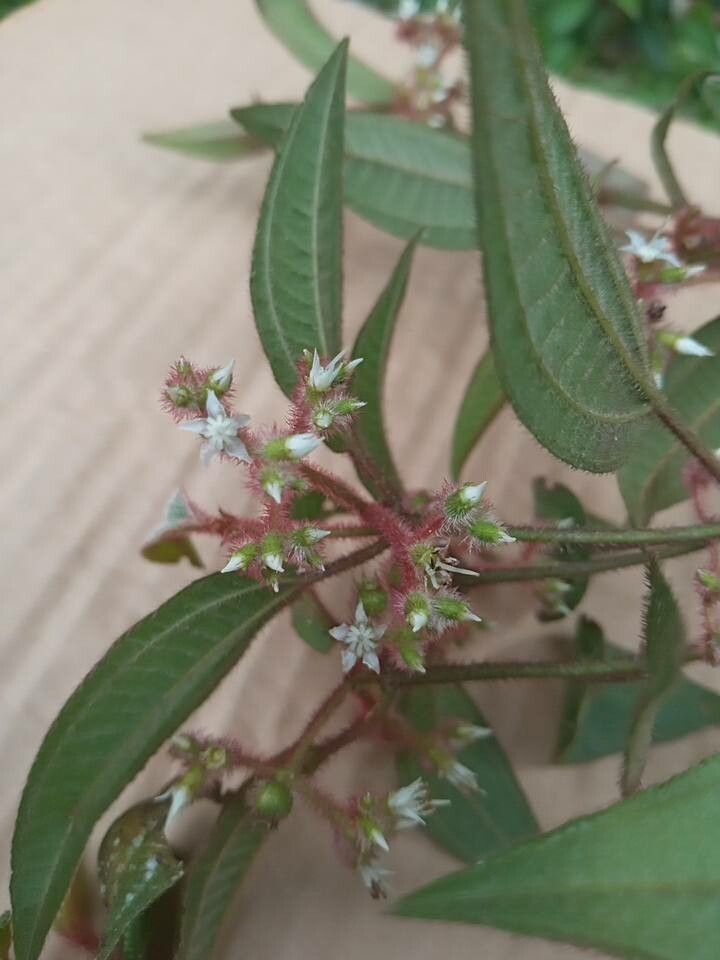
Before we embark on our propagation journey, it’s essential to understand the plant itself. Miconia catharinensis is a fast-growing, evergreen shrub known for its large, velvety leaves that boast striking veins. Adding to its allure, it produces clusters of delicate flowers, ranging in color from white to pink, which eventually give way to small, berry-like fruits.
Propagation Methods: Unveiling the Options
While Miconia catharinensis can be a tad particular about its growing conditions, propagating it isn’t as daunting as it seems. The two most effective methods are:
This method involves germinating seeds collected from ripe fruits. While it requires patience, as germination can take several weeks to months, it offers a rewarding experience.
- Harvesting Seeds: Collect ripe fruits and extract the tiny seeds.
- Sowing: Use a well-draining seed starting mix and sow the seeds superficially.
- Environment: Maintain a warm, humid environment with indirect sunlight.
- Patience is Key: Germination can be erratic, so don’t be discouraged if it takes time.
- Stem Cuttings:
The most popular and relatively faster method is propagation through stem cuttings. This involves rooting sections of healthy stems.
- Taking Cuttings: Select healthy, non-flowering stems and cut segments that are 4-6 inches long.
- Preparing the Cuttings: Remove the lower leaves and wound the bottom inch of the cutting to encourage root development.
- Rooting Hormone (Optional): Dipping the wounded ends in rooting hormone can improve success rates.
- Planting: Insert the cuttings into a well-draining rooting medium, ensuring at least one node is buried.
- Creating a Humid Environment: Cover the cuttings with a plastic bag or humidity dome to retain moisture.
- Transplanting: Once roots develop, usually in a few weeks, transplant the cuttings into individual pots.
Tips for Success: Nurturing Your New Propagations
- Optimal Conditions: Miconia catharinensis thrives in warm temperatures (65-85°F), high humidity, and bright, indirect light.
- Well-Draining Soil: Use a well-draining soil mix that retains moisture but doesn’t become waterlogged.
- Regular Watering: Keep the soil consistently moist, but avoid overwatering.
- Fertilization: Feed your plants with a balanced liquid fertilizer during the growing season.
Propagating Miconia catharinensis can be an exciting endeavor. Armed with the knowledge of these methods and tips, you’re well on your way to cultivating this botanical masterpiece and adding a touch of tropical charm to your surroundings. So, put on your gardening gloves and embark on this rewarding journey today!