
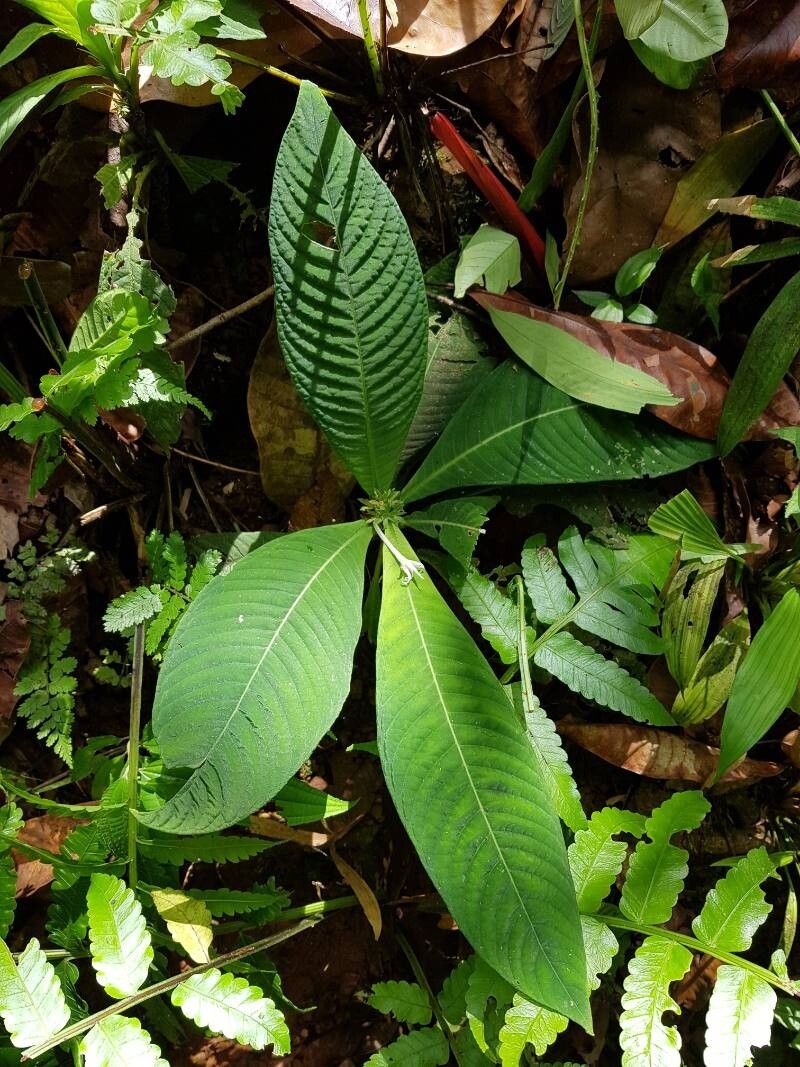
Unveiling the Mystery: Propagating the Exquisite Amphidasya longicalycina
Amphidasya longicalycina, a name that might sound like a mouthful, belongs to a plant with a beauty that speaks volumes. Envision vibrant, scarlet blooms clustered like tiny fireworks against a backdrop of glossy, emerald foliage. This tropical gem, native to the humid rainforests of Ecuador, is a sight to behold and a treasure for any plant enthusiast lucky enough to own one.
If, like many, you’re captivated by this exquisite species and dream of expanding your collection, you’re in luck! While not commonly found in garden centers, Amphidasya longicalycina can be propagated with a touch of patience and the right techniques. Let’s delve into the secrets of bringing more of this beauty into the world:
Method 1: Stem Cuttings – A Dance of Patience and Precision
Stem cuttings are the most common and arguably the most successful method for propagating Amphidasya longicalycina:
- Timing is Key: Spring, with its surge of growth hormones, is the ideal time for taking cuttings.
- Selecting the Right Stem: Look for a healthy, non-flowering stem that’s about 4-6 inches long. Ideally, choose one with new growth at the tip.
- Making the Cut: Using a sharp, sterilized blade or pair of scissors, cut just below a leaf node (the point where the leaf attaches to the stem).
- Preparing the Cutting: Remove the leaves from the bottom inch or two of the stem. This encourages root development. Dipping the cut end in rooting hormone powder can further enhance the process.
- Planting the Cutting: Prepare a pot with a well-draining, slightly acidic potting mix. Create a small hole with your finger or a pencil and gently insert the cutting.
- Creating a Humid Environment: Maintaining high humidity around the cutting is crucial. Cover the pot with a clear plastic bag or place it inside a humidity dome.
- The Waiting Game: Place the pot in a warm, well-lit area, out of direct sunlight. It can take several weeks, even months, for roots to develop. Be patient, and resist the urge to disturb the cutting.
- Transplantation Time: Once new growth appears, it’s a sign that your cutting has taken root! You can now carefully transplant it into a slightly larger pot.
Method 2: Seeds – A Journey of Discovery and Delight
While not as common as stem cuttings, propagating Amphidasya longicalycina from seed can be a rewarding experience:
- Source Fresh Seeds: Obtain fresh seeds from a reputable source. Seeds from ripe berries of your own plant can also be used.
- Sowing the Seeds: Use a seed starting mix and sprinkle the seeds on the surface. Lightly press them in but do not bury them.
- Moisture and Warmth: Mist the soil surface and cover the tray or pot with a clear plastic wrap to retain moisture. Place it in a warm, bright location, out of direct sunlight.
- Germination Awaits: Germination can be erratic and might take several weeks or even months. Continue to mist the soil regularly to maintain moisture.
- Thinning the Seedlings: Once the seedlings have a few sets of true leaves, thin them out, leaving the strongest ones to grow.
- Potting On: When the seedlings are large enough to handle, transplant them into individual pots.
A Few Words of Wisdom:
- Amphidasya longicalycina thrives in warm, humid conditions, similar to its natural habitat.
- Provide bright, indirect light and well-draining soil.
- Water regularly, allowing the topsoil to dry out slightly between waterings.
- Fertilize regularly during the growing season with a balanced fertilizer.
With a little effort and a lot of love, you can successfully propagate and nurture the captivating Amphidasya longicalycina. Imagine the joy of witnessing this rare beauty flourish and multiply, adding a touch of exotic elegance to your home and sharing its splendor with fellow plant lovers!