
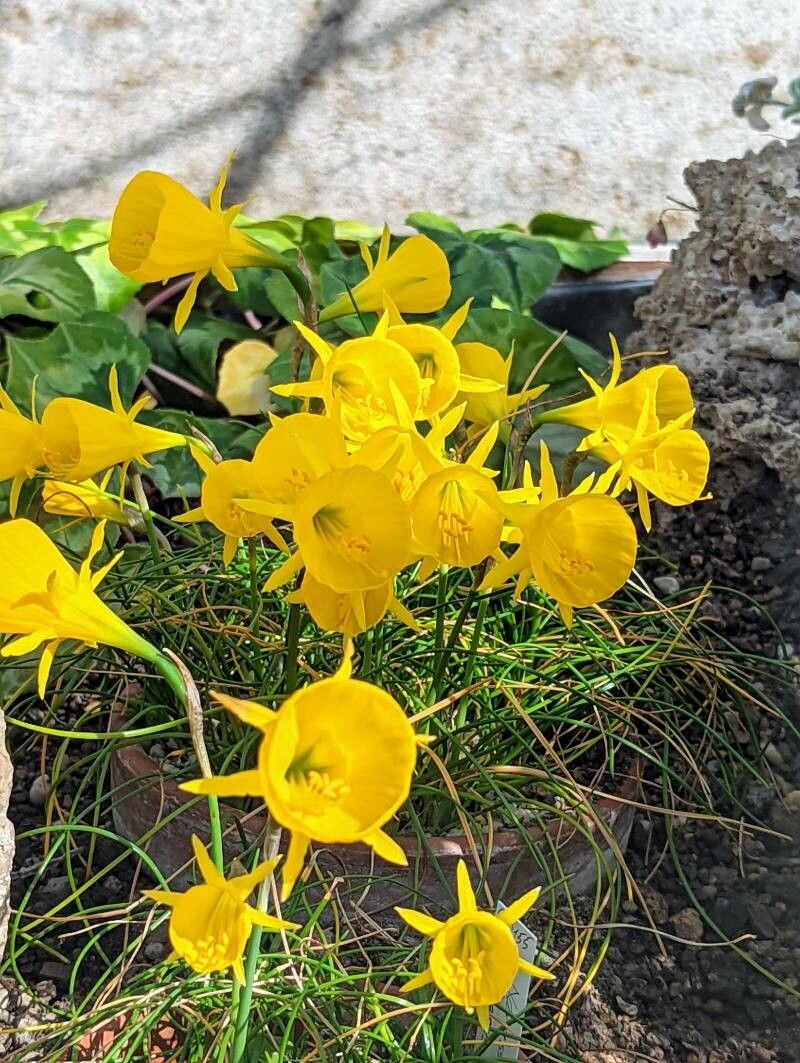
Doubling Your Daffodils: Propagating the Cheerful Narcissus Obesus
Narcissus obesus, better known as the Tenby daffodil or the Small-cupped daffodil, brings a vibrant burst of sunshine yellow to gardens in early spring. These petite daffodils, with their charming, flared trumpets and delicate fragrance, are a true herald of warmer days. While enjoying their cheerful blooms each year is a treat, imagine multiplying their numbers and painting your garden with even more of this sunny hue! Propagating Narcissus obesus is easier than you might think, and this guide will walk you through two simple methods: dividing bulbs and sowing seeds.
1. Division: The Gift that Keeps on Blooming
Division is the most common and arguably the easiest way to propagate Narcissus obesus. Here’s how:
- Timing is Key: The best time to divide your daffodil clumps is in late summer or early fall, after the foliage has died back naturally. This allows the bulbs ample time to establish themselves before winter sets in.
- Digging Deep: Carefully dig around the clump of daffodils, ensuring you go deep enough to avoid damaging the bulbs.
- Gentle Separation: Once lifted, gently twist or pull apart the clump into individual bulbs or smaller clusters. Discard any soft, damaged, or diseased bulbs.
- Replanting for Success: Choose a sunny or partially shaded location with well-drained soil. Plant the bulbs at a depth of about 3-4 inches and space them around 4-6 inches apart. Water well after planting.
2. Seed Propagation: A Patient Gardener’s Delight
Propagating Narcissus obesus from seed takes more time and patience but offers a unique opportunity to witness the full life cycle of these delightful flowers. Here’s what you need to know:
- Harvesting the Seeds: Allow the seed pods to fully mature and dry on the plant. Once they turn brown and brittle, collect them carefully and extract the seeds.
- Sowing Time: Sow seeds in late summer or early fall, just like with bulb division.
- Creating the Right Environment: Fill seed trays or pots with a well-draining seed starting mix. Sow the seeds thinly, covering them lightly with the mix.
- Patience is a Virtue: Keep the seed trays or pots in a cool, shaded location and keep the soil consistently moist but not waterlogged.
- The Waiting Game: Germination can take anywhere from a few weeks to a few months. Be patient and don’t be discouraged if it takes time. Once the seedlings emerge and grow strong, you can transplant them outdoors, following the same guidelines as for bulb division.
Important Tips for Success:
- Well-Drained Soil is Crucial: Narcissus obesus bulbs are susceptible to rot in wet conditions. Ensure your soil drains well or amend it with compost or grit to improve drainage.
- Don’t Rush the Foliage: After flowering, allow the foliage to die back naturally. This allows the bulbs to store energy for next year’s blooms.
- Deadhead Spent Blooms: While not essential for propagation, removing faded flowers can redirect the plant’s energy back into the bulb, promoting healthier growth.
Propagating Narcissus obesus, whether through division or seeds, is a rewarding experience for gardeners of all levels. With a little effort and patience, you can multiply your daffodil display and create a springtime spectacle that will bring joy for years to come.