
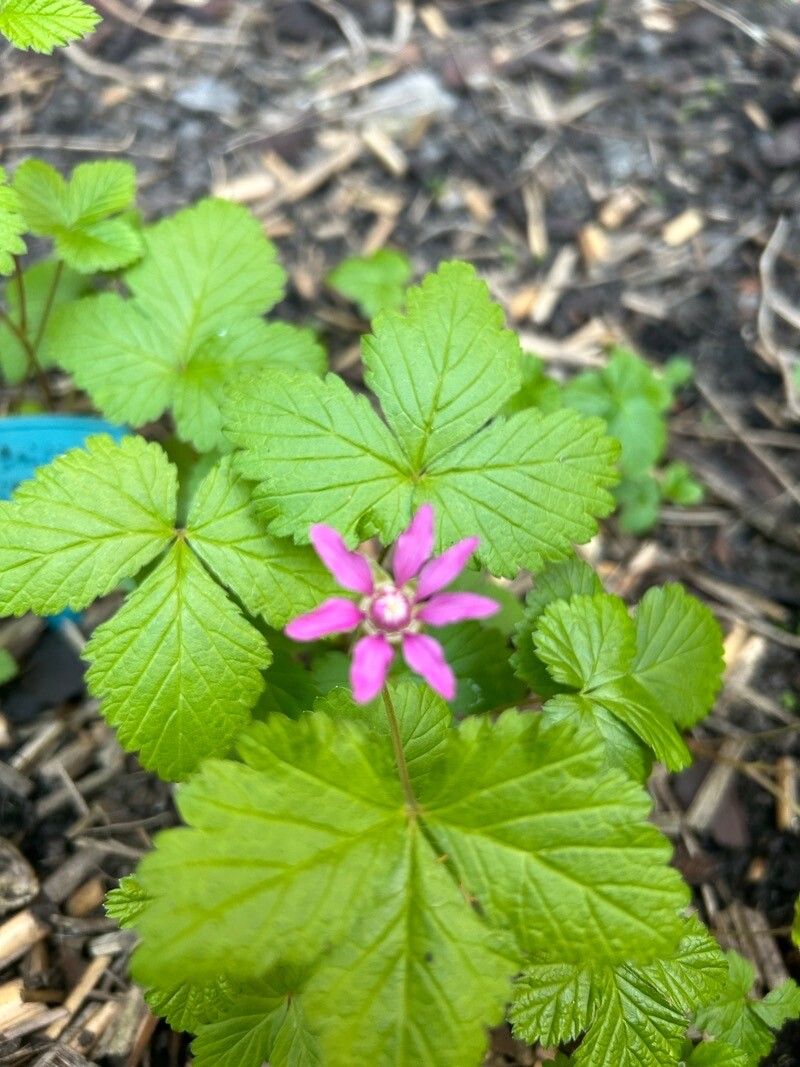
Taming the Arctic Treasure: A Guide to Propagating Rubus Arcticus
The Rubus arcticus, more charmingly known as the Arctic raspberry or nagoonberry, is a tiny titan of flavor. This hardy perennial, native to the cold northern regions of the globe, packs a punch of tart-sweetness in its delicate, raspberry-like fruits. While foraging for these miniature jewels is an adventure in itself, imagine the reward of having your own supply right in your backyard! If the idea of cultivating this northern berry has piqued your curiosity, you’re in the right place. Let’s explore the captivating world of Rubus arcticus propagation.
Three Paths to Berry Bliss
While not as common in nurseries as their larger raspberry cousins, don’t be discouraged. The Rubus arcticus can be coaxed into life through three primary methods:
Seed Starting: This method requires patience, as nagoonberry seeds are notoriously slow to germinate. However, it offers a fulfilling journey from tiny seed to fruitful plant.
- The Process: Start by gently crushing ripe berries and stratifying the seeds in moist sand or peat moss for 90-120 days in your refrigerator. Once stratified, sow them in a seed-starting mix, barely covering them. Keep the soil consistently moist and under grow lights or in a bright location. Germination can take several weeks to months.
Root Cuttings: For a quicker and more predictable method, root cuttings are the way to go.
- The Process: In late fall or early spring, carefully unearth a portion of the plant’s rhizomatous roots. Cut these roots into 2-3 inch segments and lay them horizontally in a tray filled with a well-draining potting mix, covering them lightly. Keep the mix moist and place the tray in a cool, bright location. Expect to see shoots emerge within a few weeks.
Division: If you’re lucky enough to have access to an existing Rubus arcticus plant, division is the easiest and fastest propagation method.
- The Process: In early spring or fall, carefully dig up the plant and gently separate the root system into sections, ensuring each section has a healthy set of roots and shoots. Replant these divisions immediately in their desired locations.
Creating the Ideal Nagoonberry Haven
The Rubus arcticus may be a wild child at heart, but it thrives with a little care:
- Soil and Sunlight: These resilient plants prefer well-drained, acidic soil with a pH of 5.0 to 6.5. They enjoy a healthy dose of sunshine but appreciate some afternoon shade in hotter climates.
- Watering and Feeding: Keep the soil consistently moist but not waterlogged. A light application of a balanced, slow-release fertilizer in early spring will help support healthy growth.
- Patience is a Virtue: Remember that Rubus arcticus, regardless of the propagation method, takes time to establish and bear fruit. With a little patience and the right care, you’ll soon be rewarded with the delicate taste of the Arctic in your own backyard.
More Than Just a Berry
So, why go through the effort of cultivating this intriguing berry? The answer lies not only in its exquisite flavor, reminiscent of raspberries with a hint of rhubarb, but also in the satisfaction of growing a unique and resilient plant. Be warned, though – once you experience the joy of cultivating and savoring your own Rubus arcticus, you might just become its biggest advocate!