
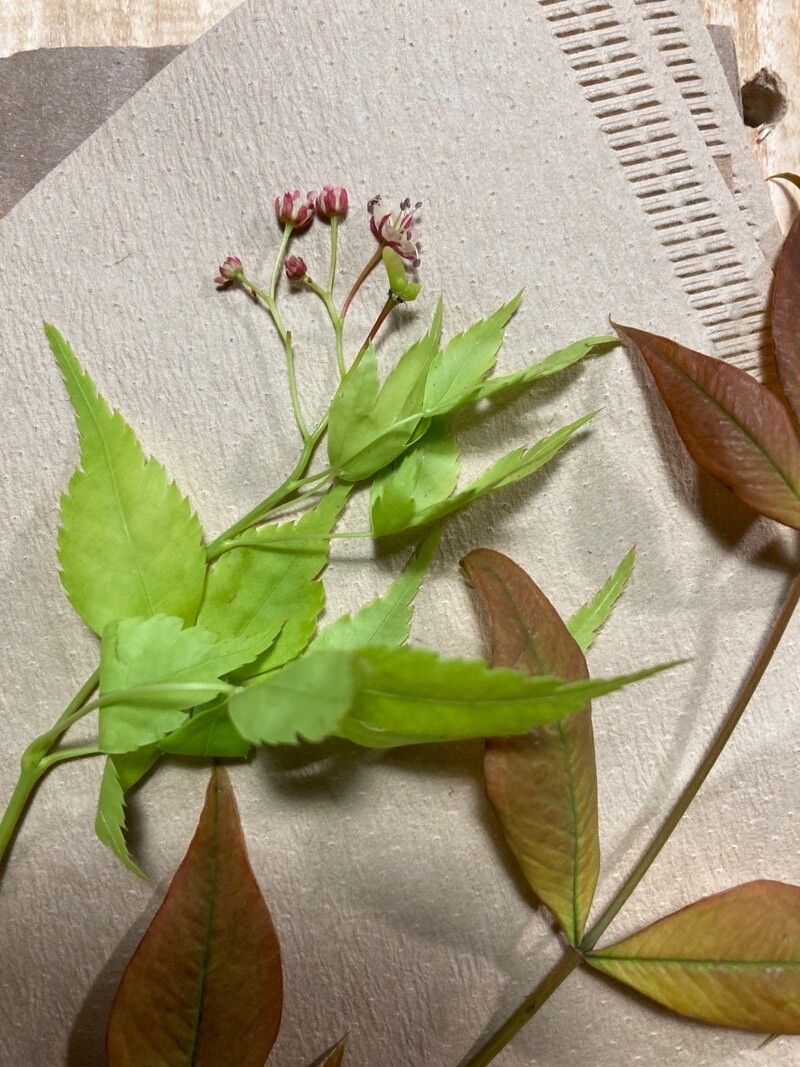
Unearthing the Secrets of Sweet Cicely: Propagating Osmorhiza Purpurea
Osmorhiza purpurea, commonly known as Sweet Cicely or Purple Stemmed Sweetroot, is a captivating wildflower that graces woodlands with its delicate charm. This member of the carrot family (Apiaceae) boasts finely divided, fern-like foliage, clusters of tiny white blossoms, and slender, purplish-red stems that lend the plant its common name. But beyond its aesthetic appeal, Sweet Cicely harbors a secret – a distinct, anise-like fragrance and sweet licorice flavor that make it a delightful addition to any garden.
While often found gracing the wild, cultivating Sweet Cicely in your backyard provides a touch of woodland magic and a source of edible foliage and seeds. Luckily, propagating this enchanting plant is an achievable endeavor for gardeners of all levels.
Seeds of Success: The Preferred Method
Sweet Cicely readily propagates from seed, offering a rewarding experience for those seeking a hands-on approach. The key to success lies in understanding the plant’s natural life cycle and mimicking those conditions.
Gathering Seeds: As the flowering season wanes, Sweet Cicely produces elongated, ribbed seeds. Harvest mature seeds in late summer or early fall by gently rubbing the seed heads between your fingers.
Breaking Dormancy: Sweet Cicely seeds possess a unique characteristic – they require a period of cold stratification to break dormancy and germinate successfully. This replicates the natural winter chilling the seeds would experience outdoors.
- Cold Stratification Options:
- Sow Directly in Fall: The simplest method involves direct sowing in late fall. The cold winter temperatures naturally provide the required stratification period.
- Simulate Winter Indoors: If starting seeds indoors, mix them with a moist medium like vermiculite or sand and store them in a sealed bag in your refrigerator for 6-8 weeks.
- Cold Stratification Options:
Sowing Time:
- Direct Sowing: Plant the seeds about 1/4 inch deep in prepared soil in fall.
- Indoor Sowing: Start seeds indoors 6-8 weeks before the last expected frost using a seed starting mix. Once the seedlings have developed a few true leaves and the danger of frost has passed, transplant them outdoors.
- Ideal Conditions: Sweet Cicely thrives in partial shade to full shade and prefers moist, well-drained soil rich in organic matter.
Division: Sharing the Bounty
Once your Sweet Cicely plant is well-established (usually after 2-3 years), you can propagate it through division.
- Timing is Key: Divide Sweet Cicely plants in early spring as new growth emerges or in the fall.
- Digging Carefully: Using a sharp spade or garden fork, carefully lift the entire plant, ensuring minimal disturbance to the root system.
- Dividing the Crown: Gently separate the plant into smaller sections, making sure each division has a good portion of roots and shoots.
- Replanting: Replant the divisions at the same depth they were originally growing and water them thoroughly.
A Rewarding Endeavor
Propagating Osmorhiza purpurea, whether from seed or division, is a rewarding experience that connects you to the plant’s natural life cycle. By inviting this captivating wildflower into your garden, you’ll not only enhance its beauty but also have access to its unique flavor and fragrance – a testament to the joys of cultivating nature’s subtle wonders.