
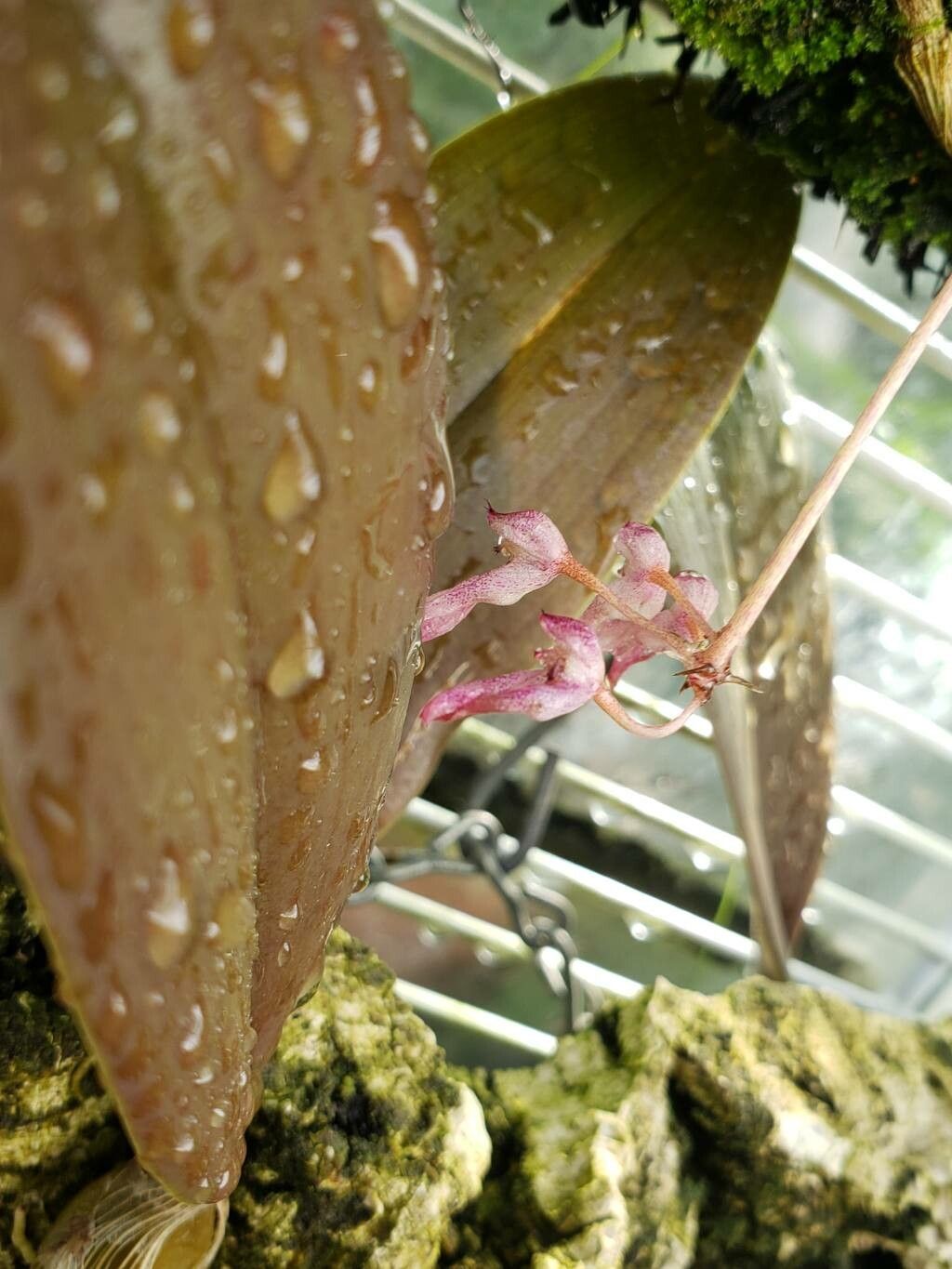
Demystifying Bulbophyllum bicolor Propagation: Tips for Multiplying Your Miniature Marvel
The Bulbophyllum bicolor, with its intriguing blooms and compact size, is a fascinating orchid for enthusiasts of all levels. While caring for this unique species can be rewarding, many shy away from the seemingly daunting task of propagation. Fear not! This guide will demystify Bulbophyllum bicolor propagation, providing you with the knowledge and confidence to expand your orchid family.
Understanding the Basics:
Before diving into techniques, it’s crucial to grasp how Bulbophyllum bicolor naturally reproduces. Unlike orchids that readily produce “keikis” (plantlets) on flower spikes, this species primarily propagates through division. In simpler terms, we’re talking about separating mature plants into smaller, individual sections.
Timing is Everything:
The optimal time to propagate is during the spring or early summer, coinciding with the plant’s active growth phase. Look for signs like new root growth and plump pseudobulbs, indicating the plant is healthy and ready for division.
Tools of the Trade:
Gather the following materials before you begin:
- Sharp, sterilized cutting tool: This could be a sterile scalpel, razor blade, or pruning shears.
- Clean pot(s): Choose appropriately sized pots for the divisions.
- Fresh orchid potting mix: Select a well-draining mix suitable for Bulbophyllum species.
- Cinnamon or rooting hormone (optional): These can help prevent infection and encourage root development.
The Division Process:
- Unpotting: Gently remove the Bulbophyllum bicolor from its pot, taking care not to damage the roots.
- Dividing the Rhizome: The rhizome is the horizontal stem connecting the pseudobulbs. Identify sections with at least 3-4 healthy pseudobulbs each. Using your sterilized cutting tool, carefully separate the rhizome at these points.
- Treating the Divisions: Dust the cut ends with cinnamon or rooting hormone to deter fungal or bacterial infections.
- Potting the Divisions: Plant each division in a separate pot, ensuring the base of the pseudobulbs rests slightly above the surface of the potting mix. Water lightly.
Post-Division Care:
- Light: Provide bright, indirect light, similar to the parent plant’s conditions.
- Water: Initially, water sparingly, allowing the potting mix to dry slightly between waterings. Increase watering frequency as new growth emerges.
- Humidity: Aim for moderate to high humidity levels (around 60-70%). A humidity tray or humidifier can be beneficial.
Patience is Key:
Remember, it takes time for newly divided Bulbophyllum bicolor plants to establish themselves. Don’t be discouraged if you don’t see immediate growth. With proper care, your patience will be rewarded with thriving new plants, allowing you to enjoy the beauty of Bulbophyllum bicolor for years to come.