
Unlocking the Secrets of Pavetta Puberula Propagation: A Guide to Growing this African Gem
The Pavetta puberula, with its glossy leaves and captivating clusters of star-shaped flowers, is a true gem of the African flora. But unlike more common garden varieties, this beauty can seem a little mysterious to propagate. Don’t worry, though, unlocking the secrets to successfully growing new Pavetta puberula is entirely achievable!
Understanding the Plant:
Before we delve into propagation, let’s get acquainted with our subject. Pavetta puberula is a shrub or small tree native to Southern Africa. It thrives in warm climates with well-drained soil and dappled sunlight. Its most striking feature? The fragrant, white flowers that grace the branches, attracting a bevy of pollinators.
Two Pathways to Propagation:
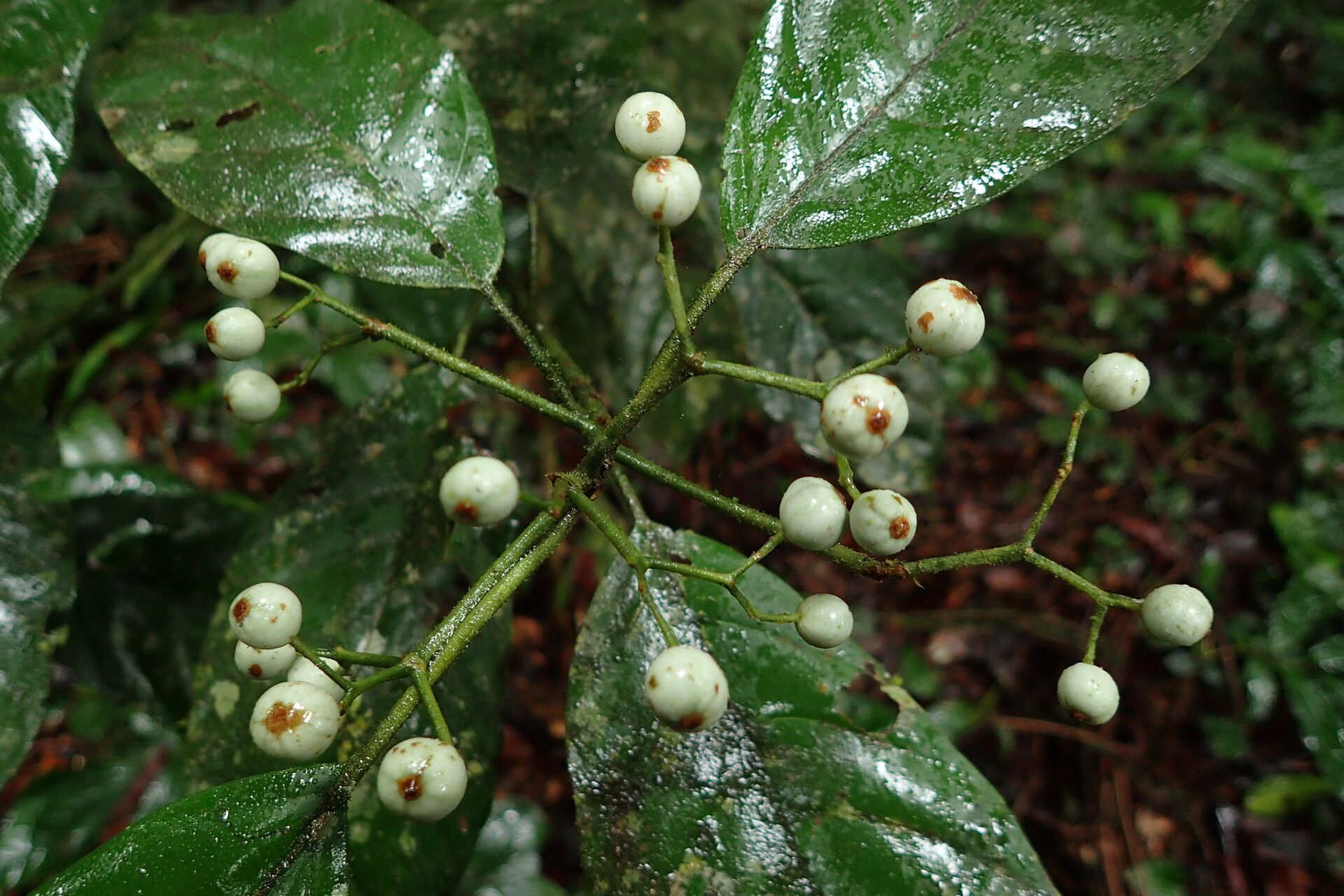
1. Seed Propagation: The most common method involves collecting seeds from the mature, berry-like fruits of the Pavetta puberula. Here’s how:
- Harvesting: Collect ripe fruits, characterized by their dark color and slight softness.
- Seed Extraction: Carefully extract the small, hard seeds from the fruit pulp. Clean them thoroughly, removing any remaining fruit residue.
- Sowing: Sow seeds in a well-draining seed-raising mix, covering them lightly with soil. A warm, bright location (out of direct sunlight) is ideal.
- Patience is Key: Germination can be a slow process, sometimes taking several weeks or even months. Keep the soil consistently moist but not waterlogged.
2. Cuttings: While slightly less common, propagating Pavetta puberula from cuttings can be successful with the right approach:
- Timing is Crucial: Take cuttings during the active growing season, ideally in spring or early summer.
- Selecting the Right Cutting: Choose healthy, non-flowering stems. Cut a 4-6 inch section just below a leaf node (the bump where a leaf emerges).
- Preparing the Cutting: Remove the lower leaves and dip the cut end in rooting hormone (optional but helpful).
- Planting: Plant the cutting in a pot with well-draining soil, burying at least one node.
- Creating a Humid Environment: Cover the cutting and pot with a clear plastic bag or use a propagation dome to maintain high humidity. This encourages root development.
- Monitoring Growth: After a few weeks, gently tug on the cutting. Resistance indicates root development. Once roots are established, gradually acclimatize the cutting to normal humidity levels before transplanting.
Key Tips for Success:
No matter your chosen method, these tips will increase your chances of propagation success:
- Well-Drained Soil: Pavetta puberula is susceptible to root rot in waterlogged conditions.
- Warm Temperatures: Mimic the plant’s native environment by providing warmth throughout the propagation process.
- Indirect Sunlight: Protect young plants from harsh, direct sunlight while providing ample bright light.
- Patience, Patience, Patience: Propagation can be a waiting game. Don’t be disheartened by slow progress.
The Rewards of Patience:
While propagating Pavetta puberula might require a bit more patience and care than some common plants, the rewards are well worth the effort. Witnessing a new seedling emerge from the soil or a cutting sprout roots is truly fulfilling. And eventually, you’ll be rewarded with the stunning floral display of this captivating African native. So why not embark on this rewarding journey? Your garden will thank you for it.