
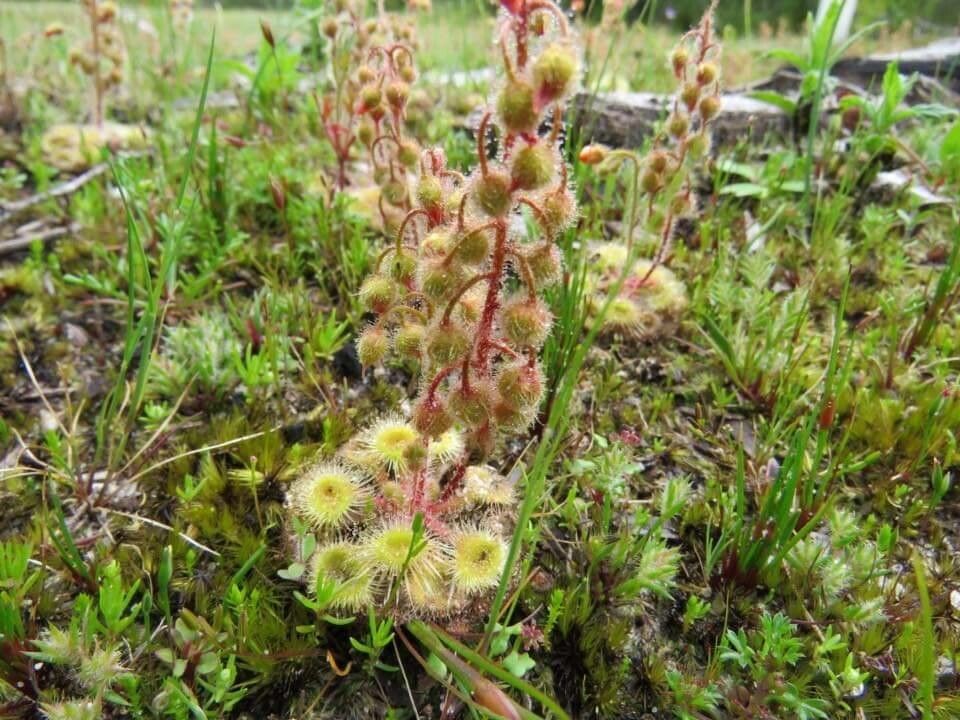
The Peculiar Pimpernel: Propagating the Snap-Trapping Drosera glanduligera
The world of carnivorous plants is full of captivating curiosities, but few are as fascinating as the Drosera glanduligera, affectionately known as the Pimpernel Sundew. This unassuming little plant, hailing from Australia, packs a surprising punch with its unique snap-trapping mechanism and relatively straightforward propagation methods. If you’re intrigued by the idea of cultivating your own miniature predator, read on to learn the secrets of propagating Drosera glanduligera.
The Two Faces of Propagation: Seed vs. Leaf Cuttings
For aspiring Drosera glanduligera cultivators, propagation presents two primary avenues: seeds and leaf cuttings. Each method comes with its own set of advantages and considerations, so choosing the right approach depends on your resources and patience.
1. Seeds: Sowing the Seeds of Wonder
Propagating Drosera glanduligera from seed offers a rewarding experience, allowing you to witness the entire lifecycle of these fascinating plants. Here’s how to get started:
- Source your seeds: Reputable online carnivorous plant retailers are your best bet for sourcing fresh, viable Drosera glanduligera seeds.
- Prepare the potting mix: A well-draining, nutrient-poor medium is crucial. A 50/50 mix of peat moss and perlite works well.
- Sow the seeds: Sprinkle the tiny seeds on the surface of the moistened potting mix, ensuring they’re in good contact but not buried.
- Provide the right environment: Drosera glanduligera seeds require ample light and humidity to germinate. Placing the pot in a bright, indirect light location and covering it with a humidity dome or plastic wrap will create ideal conditions.
- Be patient: Germination can take anywhere from a few weeks to a couple of months. Don’t lose hope if you don’t see sprouts immediately.
2. Leaf Cuttings: A Faster Path to Propagation
Leaf cuttings offer a quicker and often more reliable method for propagating Drosera glanduligera. Here’s a step-by-step guide:
- Select healthy leaves: Choose healthy, mature leaves for cuttings. Gently remove them from the plant using a sterile blade or scissors.
- Prepare the cuttings: Trim away any excess stem, leaving a small portion attached to the leaf.
- Place on the medium: Lay the cuttings flat on the surface of the same well-draining potting mix used for seeds, ensuring good contact.
- Maintain high humidity: Like seeds, leaf cuttings thrive in humid environments. A humidity dome or regular misting is essential.
- Watch for growth: New plantlets will emerge from the base of the cuttings in a few weeks. You can then carefully separate them and pot them individually.
Essential Tips for Success:
- Light: Provide your Drosera glanduligera with bright, indirect light. Avoid direct sunlight, as it can scorch their delicate leaves.
- Water: Use distilled water or rainwater to prevent mineral buildup, which can harm carnivorous plants. Keep the soil consistently moist but not waterlogged.
- Dormancy: Drosera glanduligera require a short dormancy period during the cooler months. Reduce watering and provide cooler temperatures (around 40-50°F) during this time.
Propagating Drosera glanduligera is a rewarding endeavor, offering a glimpse into the fascinating world of carnivorous plants. Whether you choose to start from seed or leaf cuttings, these guidelines will equip you with the knowledge to cultivate your own thriving colony of these fascinating snap-trappers.