
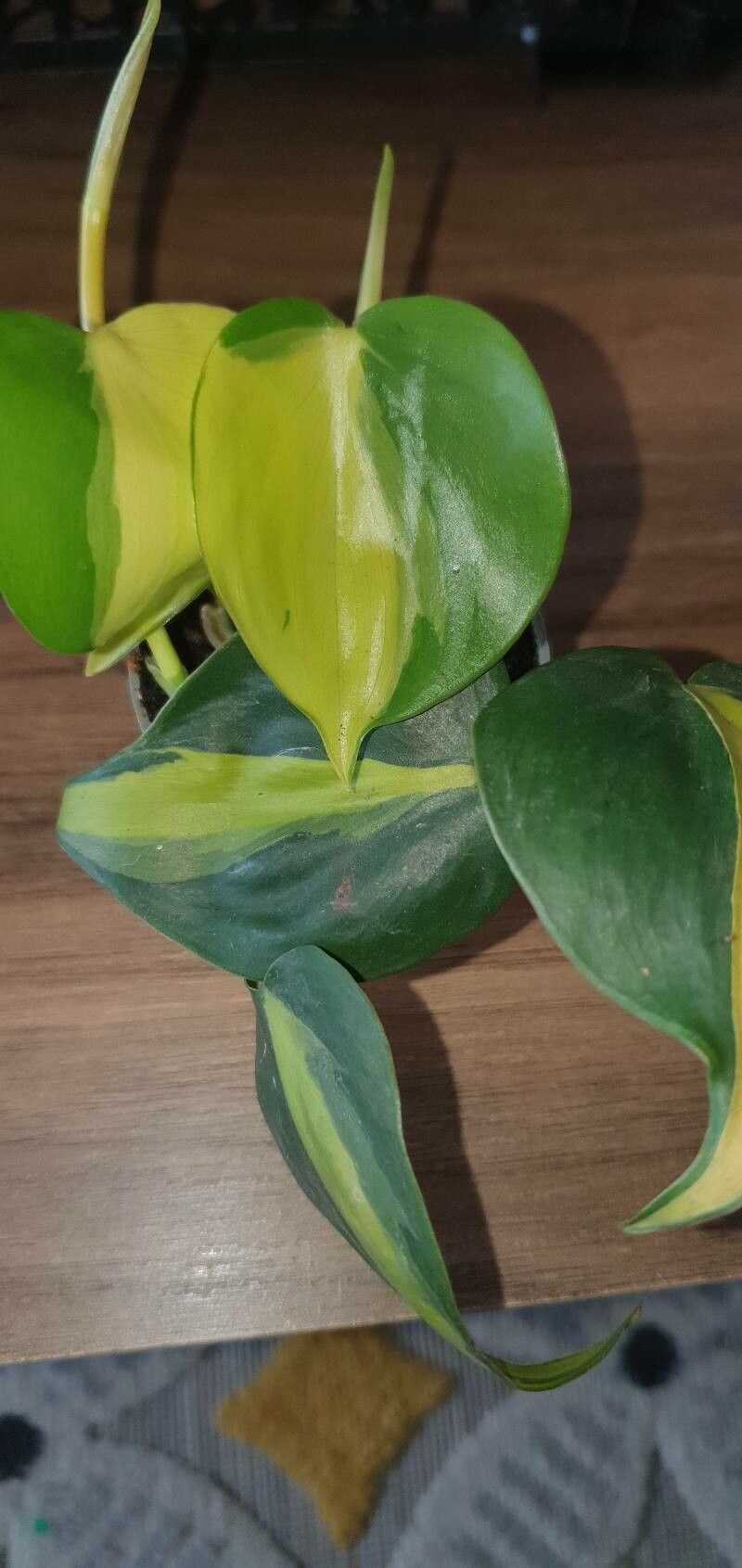
Unlocking the Jungle Within: Propagating Your Thaumatophyllum Brasiliense
The Thaumatophyllum brasiliense, with its charming heart-shaped leaves splashed with vibrant lime and emerald green, has stolen the hearts of plant lovers everywhere. And why not? This easy-going climber brings a touch of tropical elegance to any space. But did you know that sharing this verdant joy with friends is as simple as snipping a stem? That’s right, propagating your Thaumatophyllum brasiliense is surprisingly straightforward, and today, we’re diving into the lush world of propagation to help you multiply your leafy companions.
Understanding the Basics: Nodes are Key
Before we grab our pruning shears, let’s talk about the magic behind propagation. Plants like the Thaumatophyllum brasiliense have special points on their stems called nodes. These little bumps are powerhouses of potential, containing the cells needed to sprout new roots and leaves. Successful propagation hinges on understanding and utilizing these nodes effectively.
Two Paths to Propagation: Water vs. Moss
You can propagate your Thaumatophyllum brasiliense in two primary ways: water propagation and moss propagation. Let’s explore each method:
1. Water Propagation: A Visual Delight
Water propagation is a popular choice for beginners due to its simplicity and the mesmerizing experience of witnessing root development firsthand. Here’s how it’s done:
- Take a Cutting: Select a healthy stem with at least two nodes. Make a clean cut just below a node using sterilized scissors or pruning shears.
- Prepare Your Vessel: Choose a clear glass or jar, allowing you to monitor root growth. Fill it with filtered water, ensuring the nodes are submerged while keeping the leaves above the waterline.
- Patience is a Virtue: Place the cutting in a location with bright, indirect light. Change the water every few days to prevent stagnation and bacterial growth.
- Transplanting Time: Once your cutting boasts a healthy network of roots (at least an inch long), it’s ready for its new home. Carefully plant it in a well-draining potting mix.
2. Moss Propagation: A Humid Haven
Moss propagation involves creating a humid environment for your cutting, mimicking the natural conditions these plants thrive in.
- Gather Your Supplies: You’ll need sphagnum moss, a container (a plastic bag or a propagation box works well), and rooting hormone (optional but helpful).
- Prepare the Moss: Soak the sphagnum moss in water and squeeze out any excess. You want it damp, not soggy.
- The Cutting Process: As with water propagation, take a cutting with at least two nodes. You can dip the cut end in rooting hormone to encourage root development.
- Creating the Humid Haven: Place the cutting in the container and bury the node in the damp moss. Seal the container or bag to maintain humidity.
- Monitoring Progress: Place the container in a warm, well-lit (but not direct sunlight) location. Mist the moss occasionally to keep it moist but not waterlogged.
- Transplantation: Once roots develop, carefully transfer the cutting to a pot with well-draining potting mix.
Tips for Propagation Success
- Timing is Everything: Spring and early summer, when your plant is actively growing, offer the highest propagation success rates.
- Light is Crucial: Choose a well-lit location for your cuttings, but avoid harsh, direct sunlight.
- Be Patient: Propagation takes time. Don’t be discouraged if you don’t see results immediately.
Propagating your Thaumatophyllum brasiliense is an incredibly rewarding experience. Not only does it allow you to expand your plant family affordably, but it also deepens your connection with these fascinating tropical wonders. So, grab your snippers, choose your propagation method, and get ready to unlock a jungle of growth within your own home!