
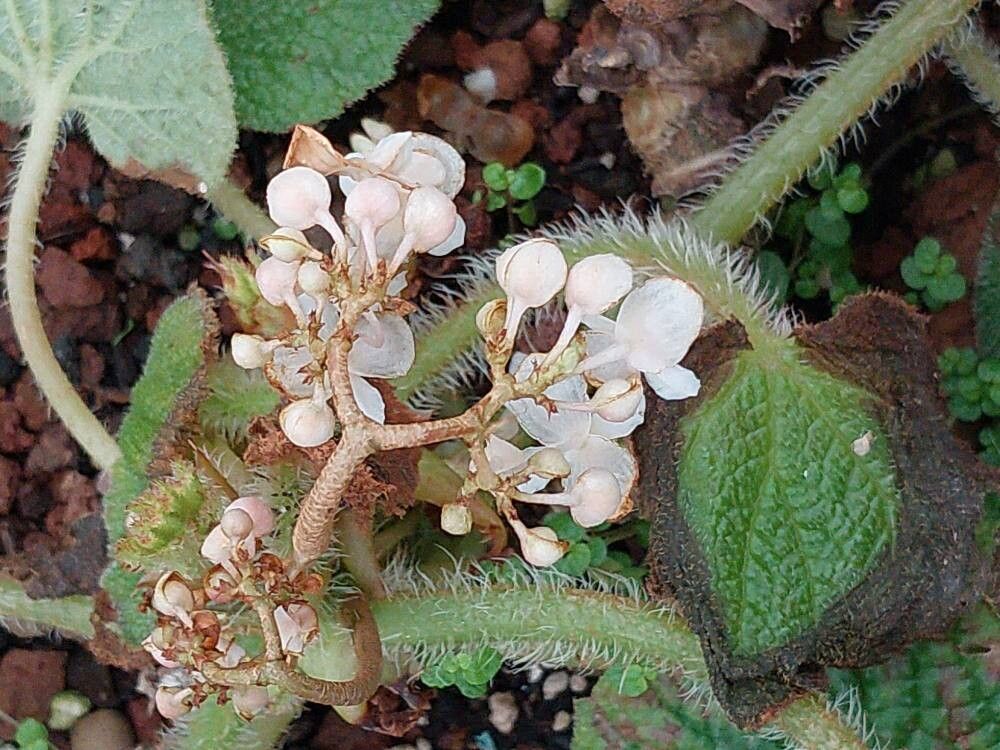
Unlocking the Secrets of Begonia Acida Propagation: A Guide for Lush Foliage Lovers
Begonia acida, with its captivating crinkled leaves and striking veining, is a showstopper in any plant collection. While caring for this beauty is relatively straightforward, the prospect of propagating it might seem daunting. Fear not, fellow plant enthusiasts! This guide delves into the secrets of propagating Begonia acida, empowering you to expand your plant family with ease.
Understanding the Power of Propagation
Propagation, the art of creating new plants from existing ones, offers numerous benefits. It’s a budget-friendly way to grow your collection, allows you to share the joy of plants with others, and fosters a deeper connection with the plant world. For Begonia acida, two main propagation methods reign supreme: stem cuttings and rhizome division.
Method 1: Stem Cuttings – A Classic Approach
- Timing is Key: Spring and early summer, during the plant’s active growing period, offer the highest chances of success.
- Tools of the Trade: Gather a sharp, sterilized knife or pruning shears, a clean container, and your chosen rooting medium (more on that below).
- Selecting the Perfect Cutting: Choose a healthy stem with at least two nodes (the small bumps where leaves emerge). The ideal cutting is around 4-6 inches long.
- Making the Cut: Using your sterilized tool, make a clean cut just below a node. Remove any leaves from the bottom inch of the stem to prevent rot.
- Rooting Medium Choices: Begonia acida enjoys a well-draining yet slightly moist environment. A mix of peat moss and perlite, or a dedicated seed-starting mix, works well.
- Planting & Patience: Insert the cut end of the stem into the rooting medium, ensuring at least one node is buried. Water gently and place the container in a warm, brightly lit location, but out of direct sunlight.
- Rooting Success: Within a few weeks, your cutting should develop roots. Gently tug on the stem; resistance indicates successful rooting!
Method 2: Rhizome Division – Multiplying Mature Plants
- Dividing Time: This method is best done in spring when repotting your Begonia acida.
- Gentle Separation: Carefully remove the plant from its pot and inspect the rhizome, the thick, horizontal stem that grows at or just below the soil surface.
- Strategic Cuts: Using a clean, sharp knife, divide the rhizome into sections, ensuring each section has at least one healthy growth point (a node with a leaf or shoot).
- Potting the Divisions: Plant each rhizome section in a well-draining potting mix, ensuring the growth point is slightly above the soil level.
- Post-Division Care: Water thoroughly and provide bright, indirect light. New growth should emerge within a few weeks.
Boosting Your Propagation Success
- Humidity is Key: Begonia acida thrives in humid environments. Create a mini greenhouse by covering the cuttings or divisions with a clear plastic bag or using a humidity dome.
- Rooting Hormone – Optional but Beneficial: While not mandatory, a rooting hormone can accelerate the rooting process, especially for stem cuttings.
- Patience, Young Padawan: Propagation takes time. Don’t be discouraged if you don’t see results immediately. Keep the rooting medium consistently moist but not waterlogged and provide adequate humidity.
With a little patience and these simple techniques, you’ll be well on your way to propagating your own beautiful Begonia acida plants. Enjoy the process and the satisfaction of expanding your plant family!