
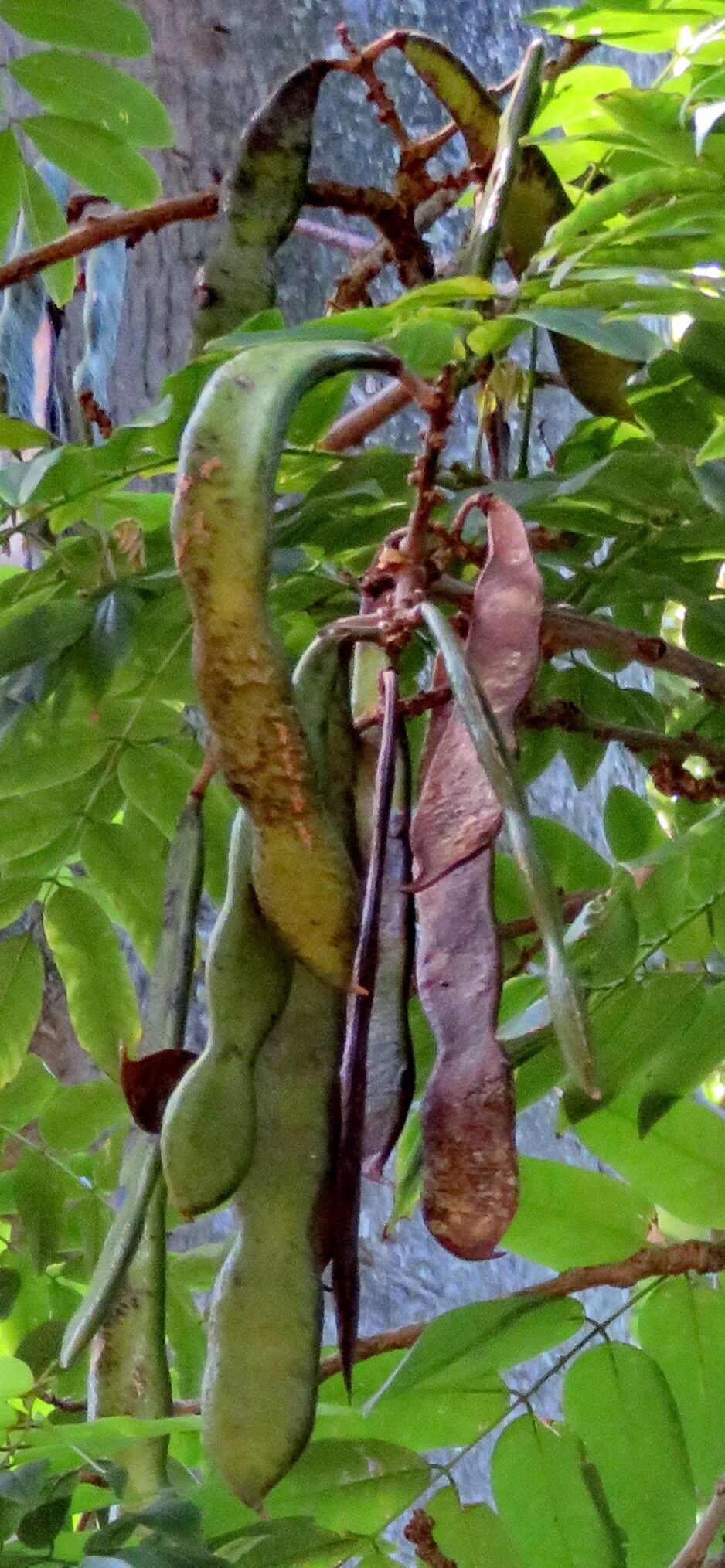
Unlocking the Secrets to Propagating the Majestic Tree Wisteria (Bolusanthus speciosus)
The Tree Wisteria (Bolusanthus speciosus), also known as the African Wisteria, is a sight to behold. This captivating tree, native to Southern Africa, boasts magnificent lavender-blue blooms cascading like waterfalls during springtime. While admiring its beauty in gardens or parks is always a treat, imagine the satisfaction of growing your very own Tree Wisteria. This comprehensive guide will delve into the secrets of propagating this exquisite tree, empowering you to bring a touch of African elegance to your own backyard.
Understanding the Basics
Before embarking on your propagation journey, it’s crucial to understand the two primary methods used for Tree Wisteria:
- Seed Propagation: This method, while requiring more patience, is generally preferred for its higher success rate and the chance to witness the entire lifecycle of your tree.
- Cutting Propagation: A faster method, best suited for experienced gardeners, requiring specific conditions and meticulous care.
Seed Propagation: Nurturing Nature’s Potential
Seed Selection & Preparation: Opt for fresh, healthy seeds from a reputable source. Enhance germination by soaking them in warm water for 24 hours, gently nicking the seed coat, or lightly rubbing them with sandpaper. This process, known as scarification, weakens the tough outer layer, facilitating water absorption and encouraging sprouting.
Sowing Your Seeds: Choose a well-draining seed starting mix. Sow the seeds at a depth of about 1 cm, maintaining adequate spacing for optimal growth. Lightly water the soil, ensuring it remains consistently moist but not waterlogged.
Conditions for Germination: Place your seed tray in a warm, brightly lit location, ideally with indirect sunlight. Maintain a temperature of 20-25°C (68-77°F). Germination can take anywhere from a few weeks to a couple of months, so patience is key.
- Transplanting Success: Once your seedlings have developed a few sets of true leaves and are sturdy enough to handle, it’s time to transplant them into individual pots filled with well-draining soil. Choose pots with adequate drainage holes to prevent root rot.
Cutting Propagation: A Shortcut for Experienced Hands
Taking the Cuttings: In early summer, select healthy, semi-hardwood cuttings from the current year’s growth. Each cutting should be about 10-15 cm long, ideally with at least two nodes (bumps where leaves emerge).
Preparing for Rooting: Remove the leaves from the lower third of the cutting and dip the cut end in rooting hormone powder to encourage root development.
Planting the Cuttings: Fill small pots with a well-draining rooting mix. Make a small hole in the center of each pot and gently insert the treated cutting, ensuring good contact with the soil.
Encouraging Root Development: Cover the pots with a plastic bag or place them in a propagator to create a warm, humid environment. Ensure adequate ventilation to prevent fungal diseases. Maintain a consistent temperature around 21-24°C (70-75°F). Roots should develop within a few weeks.
- Transplanting Cuttings: Once your cuttings have developed a robust root system, gradually acclimate them to outdoor conditions before transplanting them into larger pots or your garden.
Caring for Your Tree Wisteria
Whether you choose seed or cutting propagation, your Tree Wisteria thrives in full sun to partial shade and well-drained soil. Water regularly during the first year to establish strong roots. Once established, it’s relatively drought-tolerant. Pruning after flowering helps maintain its shape and encourages blooming in the following season.
Propagating your own Tree Wisteria is a rewarding experience. With a little dedication and the right knowledge, you can enjoy the splendor of this majestic tree for years to come.