
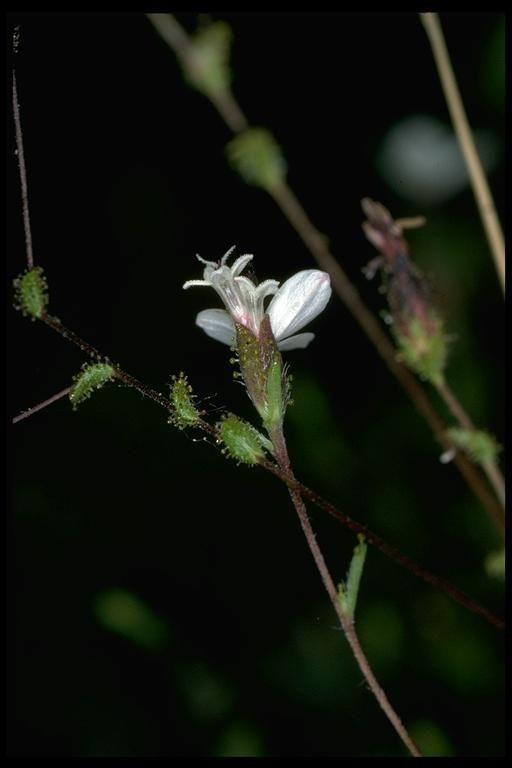
Unlocking the Secrets: Growing More Calycadenia Pauciflora
Calycadenia pauciflora, also known as the Smallflower Western Rosinweed, might not roll off the tongue easily, but this charming wildflower with its sunny yellow blooms can bring a touch of whimsical beauty to your garden. Native to California and Oregon, this plant thrives in drier climates and adds a pop of color to meadows, grasslands, and even rocky slopes. If you’re looking to propagate this lovely wildflower, you’ve come to the right place! Let’s dive into the world of Calycadenia pauciflora propagation.
Two Paths to More Blooms: Seeds vs. Cuttings
1. The Magic of Seeds:
Calycadenia pauciflora readily reproduces through seeds. Here’s a breakdown of the process:
- Collection: The best time to collect seeds is in late summer or early fall when the flower heads have dried and turned brown. You’ll find the tiny, dark seeds within the flower head.
- Storage: Store seeds in a cool, dry place until you’re ready to plant.
- Sowing Time: Direct sow seeds in the fall or start them indoors 6-8 weeks before the last frost.
- Sowing Depth: Sow seeds shallowly, about 1/8 inch deep, in well-draining soil.
- Light and Water: Keep the soil consistently moist but not waterlogged. The seeds require light to germinate, so don’t bury them too deep.
- Patience, Young Padawan: Germination can take anywhere from a few weeks to a couple of months.
2. The Art of Cuttings:
While not as common as seed propagation, Calycadenia pauciflora can be grown from cuttings. Here’s how:
- Timing is Key: Take cuttings in late spring or early summer when the plant is actively growing.
- Choose Wisely: Select healthy, non-flowering stems for your cuttings.
- Making the Cut: Using a sharp, clean knife or pruning shears, cut a 4-6 inch section of stem just below a leaf node. Remove the lower leaves, leaving 2-3 pairs at the top.
- Rooting Hormone (Optional): While not strictly necessary, dipping the cut end in rooting hormone can encourage faster and more successful root development.
- Planting the Cutting: Plant the cutting in a well-draining potting mix.
- Creating a Humid Environment: Cover the cutting with a plastic bag or place it in a humidity dome to retain moisture.
- Patience is Still a Virtue: Keep the soil consistently moist and wait for roots to develop, which may take several weeks.
A Few Tips for Success:
- Well-Draining Soil: Calycadenia pauciflora is susceptible to root rot, so choose a well-draining soil mix or amend your garden soil with sand or perlite.
- Sun-Kissed Location: Select a sunny location for your plants, as they thrive in full sun to partial shade.
- Water Wisely: While the plant enjoys drier conditions, it will benefit from regular watering during its first growing season. Once established, Calycadenia pauciflora is relatively drought tolerant.
- Divide and Conquer (Optionally): Established plants can also be divided in the spring or fall to create more plants.
Propagating Calycadenia pauciflora, whether from seeds or cuttings, is a rewarding experience. With a bit of patience and care, you’ll be rewarded with a beautiful display of these cheerful wildflowers. So, why not add a touch of wild beauty to your garden and give it a try?