
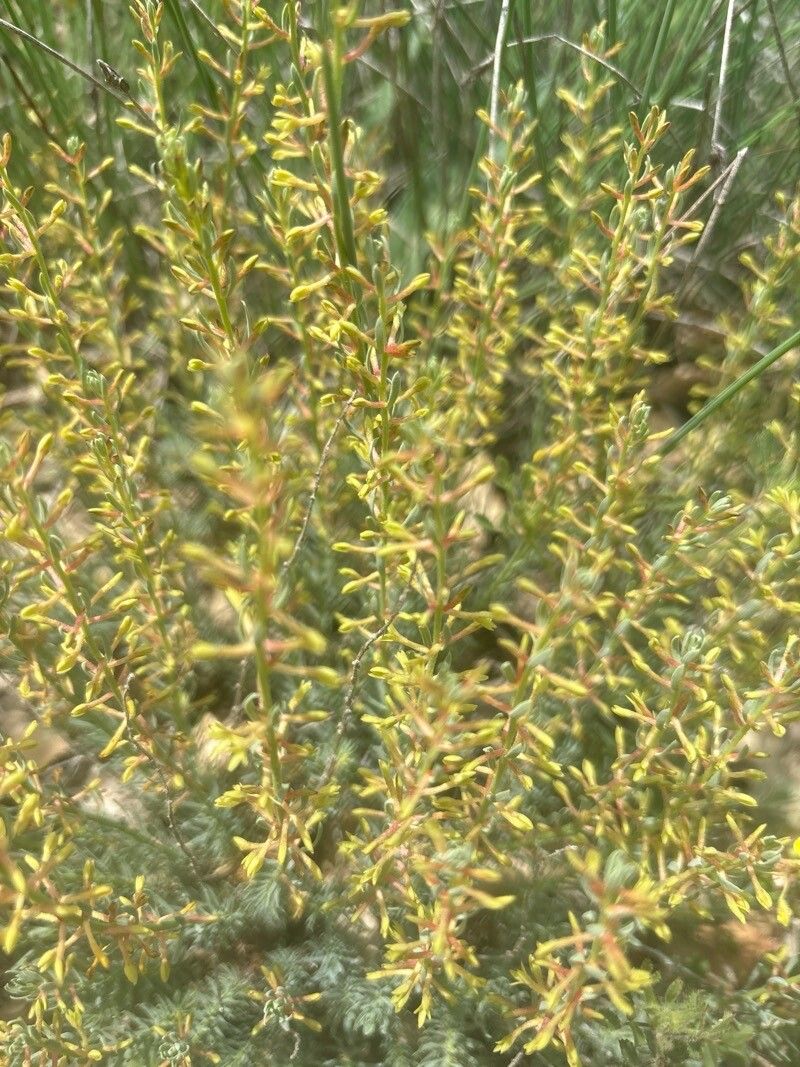
Taming the Mediterranean Beauty: Propagating Thymelaea pubescens
The Thymelaea pubescens, also known as the downy thymelea, is a charming evergreen shrub native to the Mediterranean region. With its delicate, fragrant blooms and attractive foliage, this plant is gaining popularity among gardeners looking for unique and drought-tolerant additions to their landscapes. But successfully cultivating this Mediterranean beauty goes beyond simply planting it in the ground. To truly enjoy the Thymelaea pubescens, one must understand the art of its propagation.
While not commonly found in commercial nurseries, propagating Thymelaea pubescens is achievable for home gardeners. This article provides a comprehensive guide to two effective methods:
1. Propagation by Seed:
- Seed Collection: Thymelaea pubescens produces small, dry capsules containing the seeds. Collect these capsules in late summer or early fall after they have turned brown and dried out. Break open the capsules to extract the seeds.
- Seed Preparation: For best results, cold stratify the seeds for 4-6 weeks before sowing. This involves placing the seeds in a moist paper towel inside a sealed plastic bag and storing them in the refrigerator. Cold stratification simulates winter conditions and encourages germination.
- Sowing: In spring, sow the seeds in seed trays or pots filled with a well-draining seed starting mix. Surface sow the seeds, as they require light for germination. Mist the soil regularly, ensuring it remains consistently moist but not waterlogged.
- Germination: Be patient! Germination can take several weeks to a few months, so don’t be discouraged if you don’t see sprouts right away.
- Transplanting: Once the seedlings have developed a couple of sets of true leaves, transplant them into individual pots or directly into your garden after the last frost has passed.
2. Propagation by Cuttings:
- Timing is Key: The optimal time to take cuttings is in late spring or early summer, when the plant is actively growing.
- Taking the Cuttings: Use a sharp, sterilized knife or pruning shears to take 4-6 inch cuttings from healthy, non-flowering stems. Remove the leaves from the bottom inch of the cutting.
- Hormone Treatment (Optional): While not essential, dipping the cut end of the stems in rooting hormone powder can help accelerate root development.
- Potting the Cuttings: Plant the cuttings in a well-draining potting mix, burying at least one node (where the leaves were attached) below the soil line.
- Humidity is Crucial: Cover the pot with a clear plastic bag or use a humidity dome to create a warm, humid environment, which promotes rooting.
- Patience and Monitoring: Place the pot in a bright location but out of direct sunlight. Check the soil moisture regularly and mist it if it feels dry. Rooting typically takes 6-8 weeks.
- Transplanting: Once the cuttings have developed a robust root system, you can carefully transplant them to larger pots or directly into your garden.
Caring for Your New Propagations:
Regardless of the method used, young Thymelaea pubescens plants require well-drained soil and plenty of sunlight to thrive. Water them regularly during their first year, particularly during dry periods. Once established, they are quite drought-tolerant and require minimal watering.
Propagating your own Thymelaea pubescens can be a rewarding experience, allowing you to multiply these beautiful plants and expand your garden with more of their charm. So why not give it a try? With a little patience and care, you can successfully propagate this delightful Mediterranean shrub and enjoy its beauty for years to come.