
Unlocking the Secrets of Blackseed Paspalum Propagation: A Guide to Growing This Wonder Grass
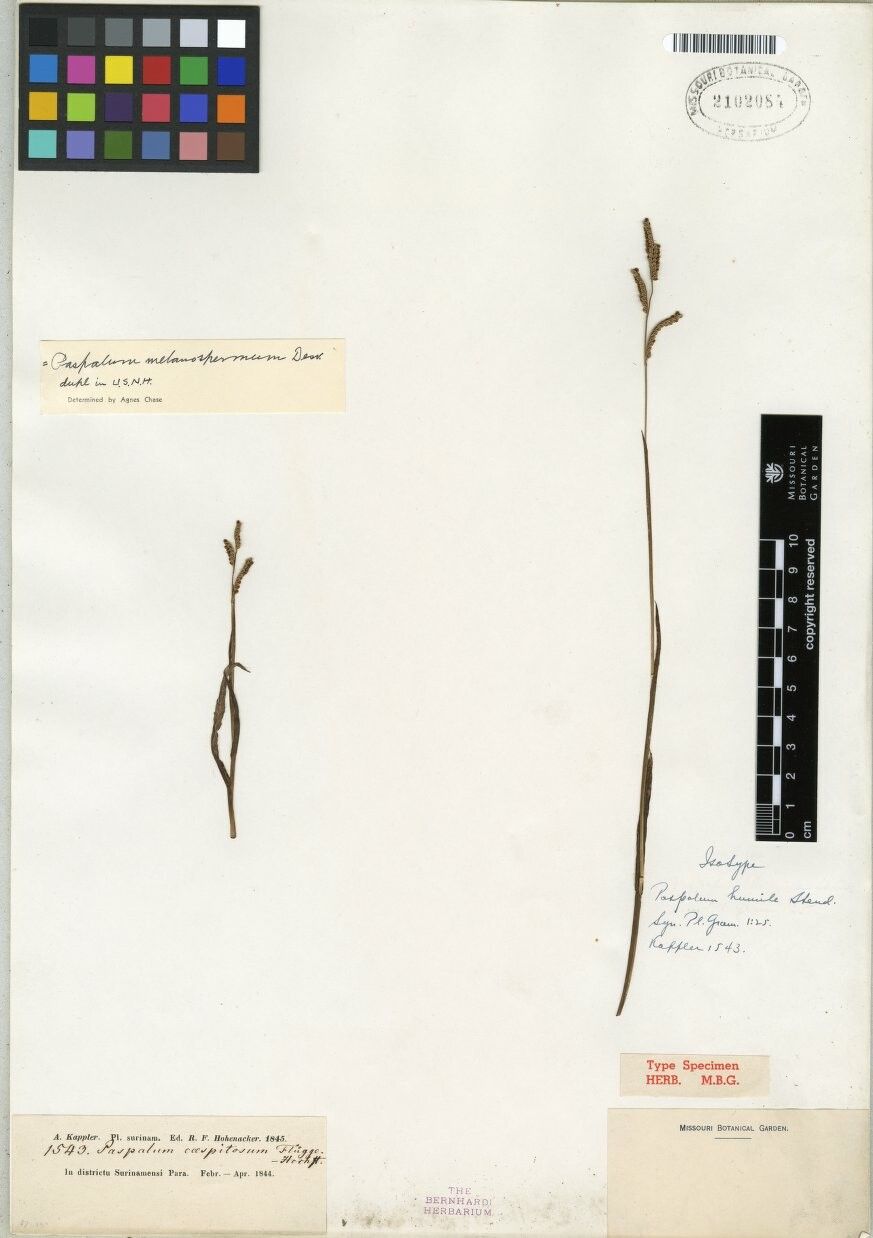
Blackseed paspalum (Paspalum melanospermum) is gaining traction amongst landscapers and homeowners, and for good reason. This tough, low-maintenance grass boasts drought tolerance, disease resistance, and attractive dark seed heads. But how can you successfully introduce it to your own green space? Let’s unravel the mysteries of blackseed paspalum propagation!
Two Paths to Propagation: Seeds vs. Plugs
Blackseed paspalum can be established using two main methods:
- Seeds:
- Pros: This method is the most cost-effective, especially for larger areas. Seeds are readily available online or at some nurseries.
- Cons: Germination can be slow and less consistent. You’ll also need patience, as it takes longer to establish a full lawn from seeds.
- Plugs:
- Pros: Plugs offer a quicker establishment period and higher success rates. This translates to a faster, fuller lawn with less waiting around.
- Cons: Plugs are generally more expensive, making them less ideal for large-scale plantings. Availability can also be limited depending on your location.
Sowing Success: Step-by-Step Seed Propagation
Ready to get your hands dirty? Here’s how to propagate blackseed paspalum from seed:
- Timing is Everything: The optimal time for sowing is late spring or early summer when the soil is consistently warm.
- Prepare the Ground: Create a smooth, weed-free seedbed by removing existing vegetation and breaking up the soil. A light tilling is beneficial.
- Sowing the Seed: Scatter the seeds evenly across the prepared area. Aim for a seeding rate provided on your seed packaging.
- Light Covering: Lightly rake the seeds into the soil surface. A thin layer of soil (approximately ¼ inch) is sufficient.
- Water Wisely: Keep the seedbed consistently moist but not waterlogged until germination occurs. Depending on the weather, daily watering might be necessary.
- Patience is a Virtue: Germination can take anywhere from 10 to 21 days, so don’t despair if you don’t see sprouts immediately.
The Plug-and-Play Approach: Establishing with Plugs
If you’re opting for plugs, follow these steps for success:
- Prime Time for Plugs: Much like seeding, late spring or early summer is the best time to plant plugs.
- Site Preparation: Prepare the planting site as you would for seeding, ensuring it’s weed-free and the soil is loosened.
- Spacing Matters: For a lush, dense lawn, plant plugs 6-12 inches apart, depending on your desired coverage rate.
- Digging Deep: Dig holes slightly larger than the plug’s root ball. Gently loosen the roots before placing each plug in the hole.
- Filling the Gaps: Backfill the holes and firm the soil gently around the plugs.
- Water, Water, Water: Consistent watering is crucial, especially during the establishment phase. Keep the soil moist but not waterlogged.
Tips for Thriving Blackseed Paspalum:
- Sunlight is Key: This sun-loving grass thrives in full sun exposure.
- Watering Wisdom: Once established, blackseed paspalum is relatively drought-tolerant. However, deep watering every 1-2 weeks during extended dry spells is beneficial.
- Feeding Your Lawn: Fertilizing twice per year, once in the spring and again in the summer, will help maintain a healthy, vibrant lawn. Choose a slow-release fertilizer formulated for warm-season grasses.
Propagating blackseed paspalum might require some effort, but the reward of a lush, resilient lawn is well worth it. Whether you choose to start from seed or go the plug route, follow these guidelines and soon you’ll be enjoying this remarkable grass in all its glory.