
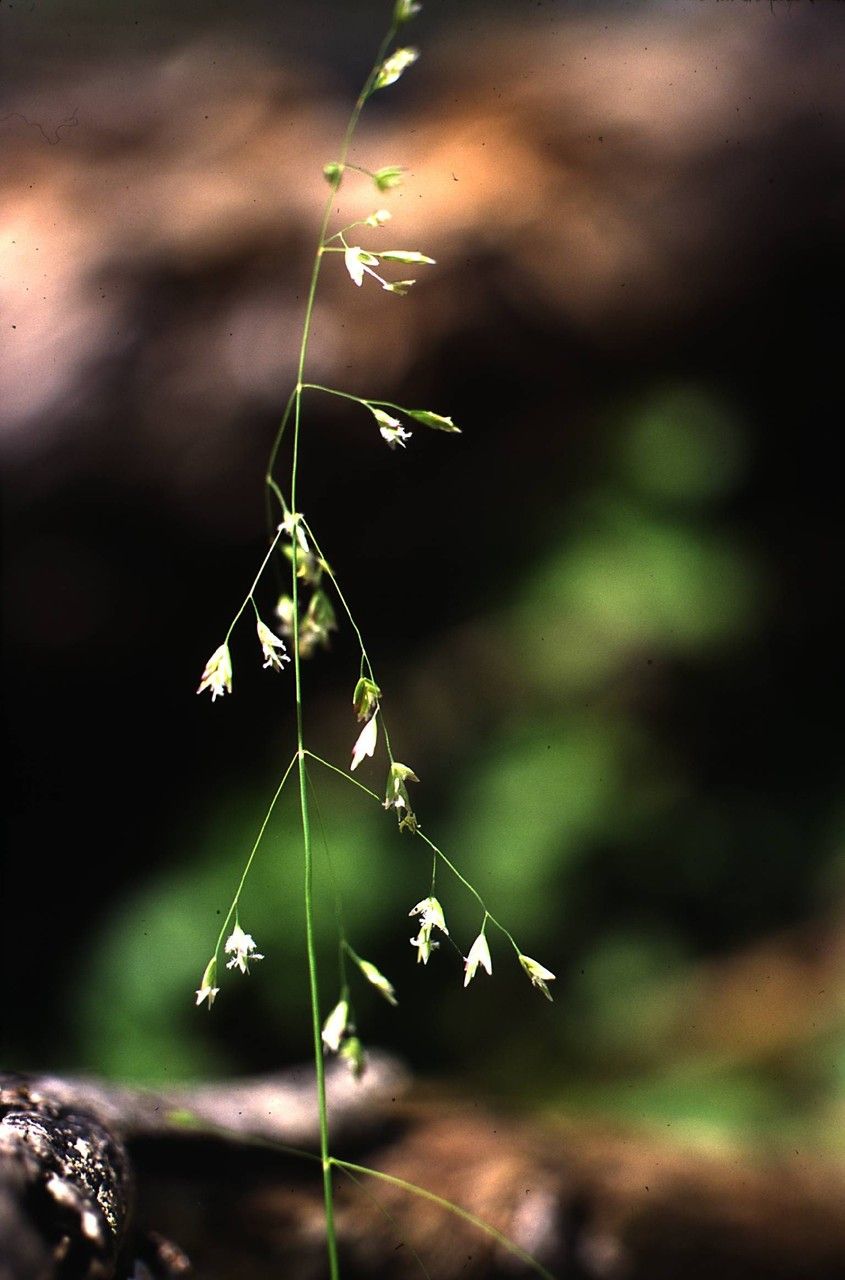
Waking Up Your Lawn’s Inner Champion: Propagating Prairie Dropseed (Poa cuspidata)
Prairie dropseed (Poa cuspidata) is a native North American grass gaining popularity for its striking beauty and low-maintenance nature. This clumping ornamental boasts fine-textured, blue-green foliage that bursts into a cascade of airy, fragrant seed heads in the summer. But what truly sets this grass apart is its resilience and adaptability, thriving in various conditions where other grasses fear to tread.
Ready to add this hardy beauty to your landscape? While you can find Prairie dropseed in some nurseries, propagating it yourself is rewarding and surprisingly straightforward.
Let’s explore the two main methods:
1. Division: The Gift that Keeps on Giving
Dividing established Prairie dropseed clumps is the most common and arguably easiest propagation method. Here’s how to do it:
- Timing is Everything: Early spring or early fall, when the soil is moist and cool, are ideal times for division.
- Dig Deep: Carefully dig around the entire clump, ensuring you don’t damage the roots.
- Divide and Conquer: Depending on the clump’s size, you can gently pull it apart into smaller sections, each containing a healthy amount of roots and shoots.
- Replanting: Choose a sunny or partially shaded location with well-drained soil. Dig holes slightly larger than the root balls of your divisions, ensuring the crown (where the roots meet the stems) sits level with the soil surface. Water deeply.
- Patience is Key: Keep the newly planted divisions consistently moist, especially during their first growing season, to help them establish a strong root system.
2. Seed Starting: A Test of Patience and Precision
Propagating Prairie dropseed from seed offers a sense of accomplishment and allows you to grow a significant quantity of this beautiful grass. Here’s the breakdown:
- Seed Selection: Obtain fresh, high-quality seeds from a reputable supplier.
- Cold Stratification: Prairie dropseed seeds benefit from a period of cold stratification to improve germination rates. You can achieve this by placing the seeds in a moist paper towel within a sealed bag and storing them in the refrigerator for 4-6 weeks.
- Sowing Time: Sow the seeds outdoors after the last frost in spring or indoors 6-8 weeks before the last frost.
- Creating the Seedbed: Choose a well-drained seed starting mix and fill small pots or trays.
- Light Touch: Sprinkle the seeds over the soil surface, pressing them gently without burying them.
- Warmth and Moisture: Maintain a consistent temperature of around 70°F (21°C) and keep the soil consistently moist but not waterlogged.
- Transplanting Time: Once the seedlings develop a few sets of true leaves and are large enough to handle, transplant them to larger pots or directly into your garden.
Bonus Tip: Prairie dropseed readily self-seeds, so you might be blessed with volunteer seedlings around your established plants. You can carefully dig them up and transplant them to desired locations.
Propagating Prairie dropseed, whether by division or seed, is a fulfilling endeavor that allows you to multiply this beautiful and low-maintenance grass. So, why not roll up your sleeves and give it a try? You’ll be handsomely rewarded with a resilient and eye-catching addition to your landscape that will gracefully sway in the breeze for years to come.