
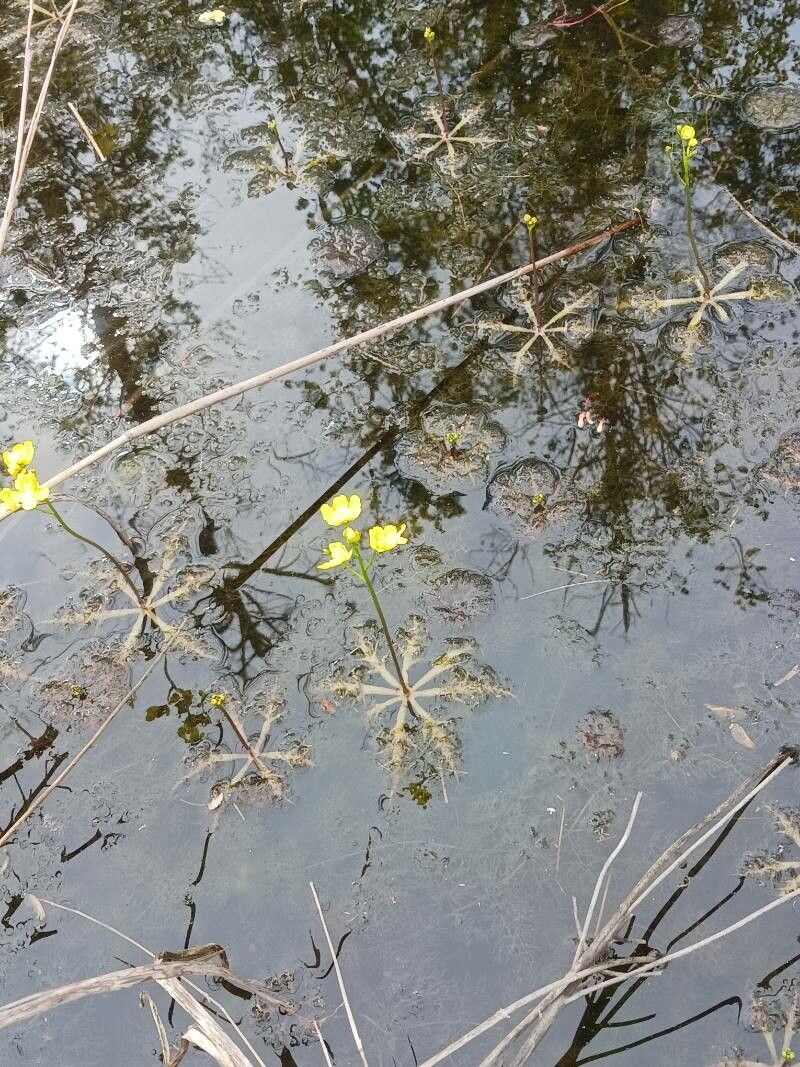
Bubbles of Bounty: Unlocking the Secrets to Propagating Utricularia Inflata
Utricularia Inflata, also known as the inflated bladderwort, is a fascinating carnivorous plant that captures tiny aquatic prey using intricate bladder traps. While its carnivorous nature is captivating, propagating this unique plant can seem like a mystery. Fear not, for we’re about to unravel the secrets of cultivating more of these underwater wonders!
Understanding the Bladderwort’s Nature
Before diving into propagation, it’s crucial to understand how Utricularia Inflata grows. As an aquatic plant, it thrives in still, nutrient-poor water bodies like ponds and marshes. Instead of relying solely on soil nutrients, it supplements its diet by trapping small organisms, showcasing nature’s ingenuity.
Propagation Techniques:
Utricularia Inflata utilizes several fascinating propagation methods, making it a rewarding plant for enthusiasts of all levels:
1. Division:
This method is the most common and straightforward.
- Timing: Spring and early summer are ideal as the plant is actively growing.
- Process: Gently separate sections of healthy stolons (the plant’s horizontal stems), ensuring each division has a good amount of bladders and leaves. Pot these divisions in separate containers.
2. Turions:
Turions are specialized buds that the plant produces, especially towards fall, to survive harsh conditions.
- Identification: Turions appear as small, dense clusters resembling bulbs. They are darker in color than the rest of the plant.
- Propagation: Collect the turions and store them in water in a cool, dark place until spring. Once the weather warms, introduce them into their desired aquatic environment.
3. Seeds:
While not as common due to the infrequent flowering of Utricularia Inflata in cultivation, seed propagation is possible.
- Collection: After flowering, carefully collect the tiny seeds from mature seed pods.
- Sowing: Sprinkle the seeds on the surface of a moist carnivorous plant potting mix. Ensure adequate humidity and light.
Creating the Ideal Environment:
- Water: Use rainwater, distilled water, or reverse osmosis water. Tap water often contains minerals that can harm your Utricularia.
- Light: Utricularia Inflata thrives in bright, indirect light. Direct sunlight can be too harsh.
- Substrate: A mix of peat moss and sand or a specialized carnivorous plant mix is ideal. Avoid using regular potting soil, as it is too rich in nutrients.
- Container: Use shallow, wide containers to accommodate the plant’s spreading growth habit. Aquariums or plastic tubs work well.
- Feeding: While capable of trapping food, supplementing with small aquatic invertebrates like daphnia or mosquito larvae can be beneficial, especially for newly propagated plants.
Enjoying the Rewards:
With patience and proper care, you’ll be rewarded with a thriving colony of Utricularia Inflata. Witnessing the intricate bladder traps in action is a sight to behold, and the satisfaction of successfully propagating this intriguing species is unmatched. So, embrace the challenge, dive into the world of bladderworts, and enjoy the unique beauty these fascinating carnivores offer.