
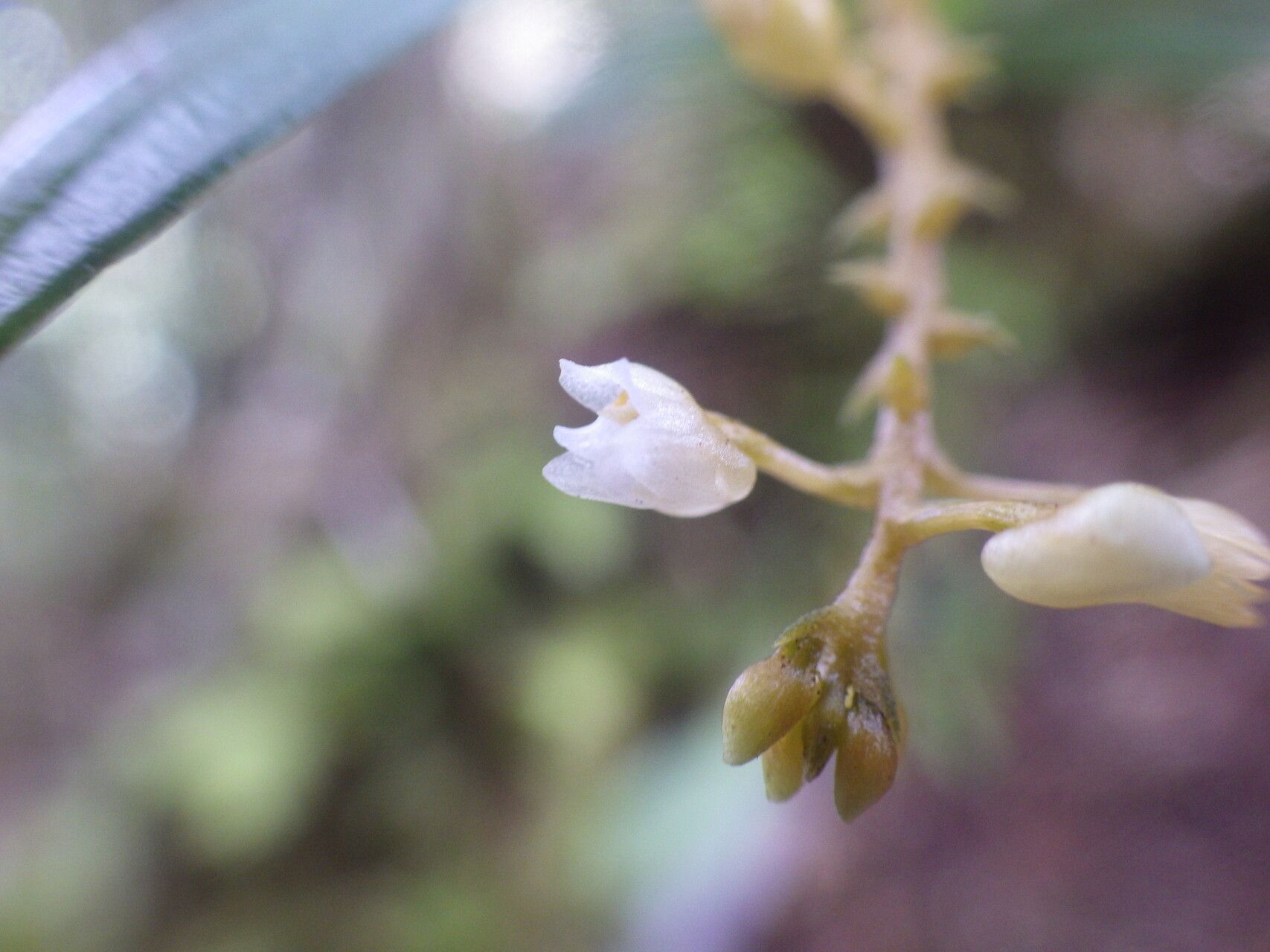
Unlocking the Secrets of Thelasis sphaerocarpa: A Propagation Primer
Thelasis sphaerocarpa, a charming miniature orchid with its glistening, spherical fruit capsules, is a treasure coveted by many orchid enthusiasts. Originating from the misty mountain forests of Southeast Asia, this epiphytic marvel is a sight to behold. But cultivating it outside its native habitat can feel like solving a complex puzzle. Fear not, fellow orchid aficionados! This propagation primer will unlock the secrets to successfully multiplying your Thelasis sphaerocarpa collection.
Beyond the Basics: Understanding Thelasis sphaerocarpa
Before embarking on our propagation journey, let’s understand what makes this orchid tick. Thelasis sphaerocarpa thrives in warm, humid environments with dappled light. It prefers to cling to tree branches or porous surfaces, absorbing nutrients and moisture from the air and rain. This understanding is crucial for replicating a suitable environment that encourages growth and multiplication.
Propagation Pathways: Exploring Your Options
While Thelasis sphaerocarpa doesn’t readily produce plantlets (keikis) like some orchids, two primary propagation methods stand out:
1. Seed Propagation: A Labor of Love
Orchid seed propagation is not for the faint of heart. These minuscule seeds lack endosperm, requiring a symbiotic relationship with specific fungi for germination. However, for the dedicated enthusiast, the reward of raising orchids from seed is unparalleled:
- Flask it Up: The most reliable method involves sowing seeds in a sterile, nutrient-rich medium within a sealed flask. This technique requires specialized equipment and knowledge of sterile procedures.
- Partner with the Fungi: Alternatively, you can try replicating the natural symbiotic relationship. This involves creating a suitable growing medium inoculated with the appropriate mycorrhizal fungi.
Seed propagation demands patience, as it can take several months to years to witness blooms.
2. Division: A Balanced Approach
Division, while seemingly simpler, requires a careful hand and a keen eye. Here’s how to approach it:
- Wait for Maturity: Divide only mature, healthy plants with multiple growths (pseudobulbs) connected by a rhizome.
- The Art of Division: Using sterilized tools, carefully separate the rhizome, ensuring each division has at least 3-4 healthy pseudobulbs and a healthy root system.
- Potting with Purpose: Plant each division in a well-draining, airy medium, mimicking its natural epiphytic environment.
- Patience is Key: Keep the divisions in a warm, humid environment with indirect light and monitor their progress closely.
Nurturing Success: Post-Propagation Care
Regardless of your chosen path, post-propagation care is crucial for success. Maintain consistent warmth, humidity, and dappled light.
- Watering Wisdom: Water thoroughly when the potting medium approaches dryness, allowing for excellent air circulation to prevent rot.
- Fertilizing Finesse: Apply a diluted, balanced orchid fertilizer every other week during the growing season to support healthy development.
Embrace the Journey
Propagating Thelasis sphaerocarpa is a rewarding endeavor that deepens the bond between orchid enthusiast and plant. While both seed and division propagation require patience and dedication, the joy of witnessing a new generation of these stunning orchids flourish makes the journey truly fulfilling. So, choose your path, equip yourself with knowledge, and embark on this exciting propagation adventure!