
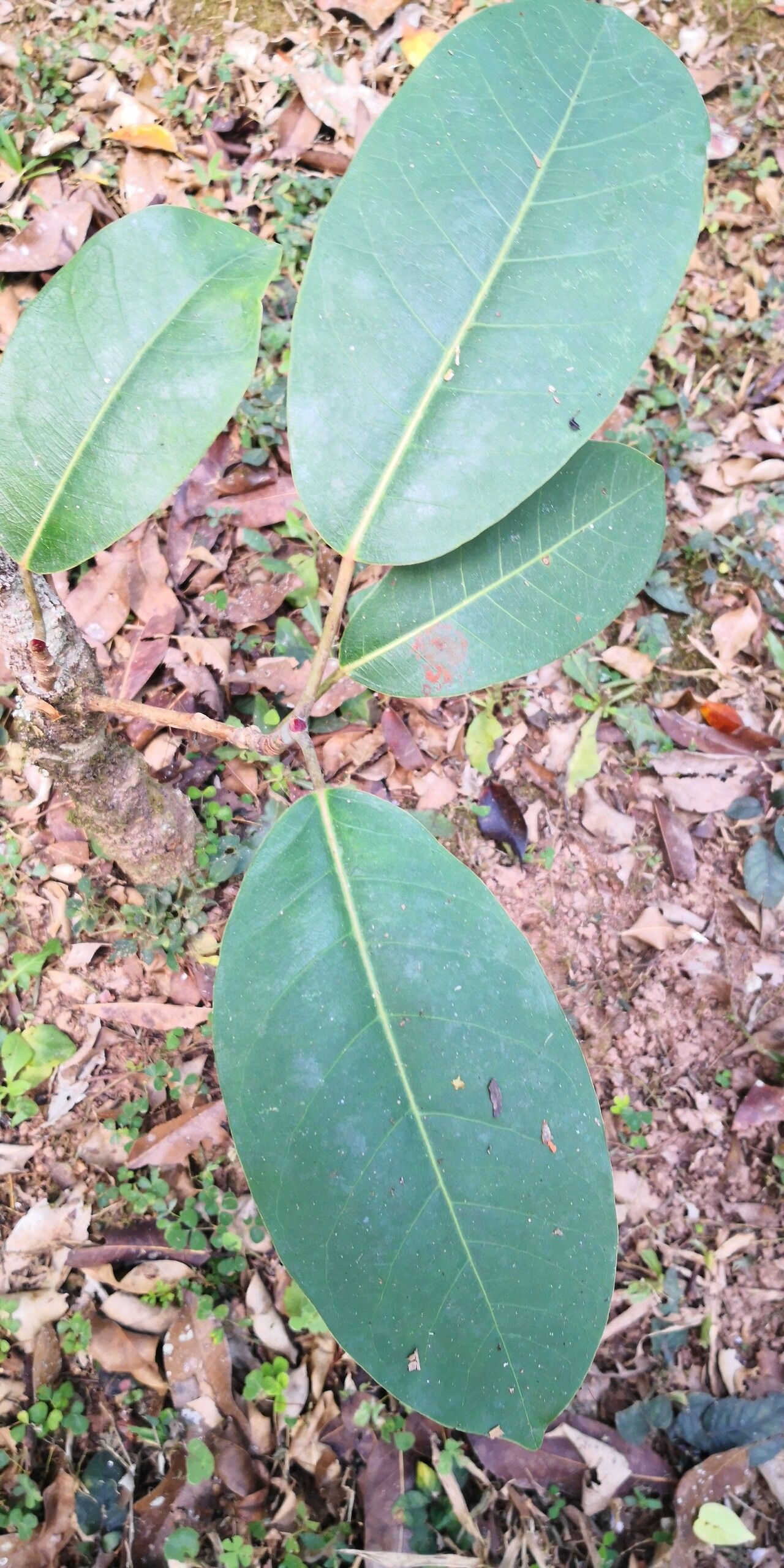
Multiply Your Cornelisiana Ficus: A Guide to Propagation Success
The Cornelisiana Ficus, also known as the ‘Narrow Leaf Fig,’ is a stunning houseplant with its sleek, upright form and vibrant green foliage. But did you know that multiplying this beauty isn’t as tricky as it seems? With the right techniques, you can propagate new Cornelisiana Ficus plants and expand your leafy family without breaking the bank.
Propagation Methods for Cornelisiana Ficus
While several methods exist, two techniques reign supreme for propagating Cornelisiana Ficus:
1. Stem Cuttings: This method involves taking a cutting from a healthy stem and encouraging it to develop roots.
Here’s what you’ll need:
- Sharp, sterilized pruning shears or scissors: A clean cut minimizes damage to the parent plant and prevents the spread of diseases.
- Rooting hormone (optional but recommended): This helps stimulate root growth and improves success rates.
- Well-draining potting mix: A mixture formulated for cuttings or a combination of peat moss and perlite works well.
- Small pots or trays: Choose sizes appropriate for your cuttings.
Steps:
- Select a healthy stem: Look for a stem that’s firm to the touch and has at least 3-4 nodes (small bumps where leaves emerge). Ideally, the cutting should be 4-6 inches long.
- Make a clean cut: Cut just below a node at a 45-degree angle. Remove any leaves from the bottom third of the cutting to prevent them from rotting in the soil.
- Apply rooting hormone (optional): Dip the cut end of the stem into rooting hormone powder, gently tapping off any excess.
- Plant the cutting: Insert the treated end of the cutting into the prepared potting mix, burying at least one node.
- Water thoroughly and provide indirect sunlight: Place the pot in a warm location with bright, indirect light. Avoid direct sunlight, as it can scorch the cutting.
- Maintain moisture: Keep the soil consistently moist but not waterlogged. Misting the cutting regularly can also help maintain humidity.
- Be patient: Root development can take 4-8 weeks. You’ll know your cutting has rooted when you see new growth.
2. Air Layering: This technique involves encouraging root formation on a stem while it’s still attached to the parent plant.
What you’ll need:
- Sharp, sterilized knife or scalpel: For making a precise cut.
- Sphagnum moss: This moisture-retaining medium is ideal for air layering.
- Plastic wrap: To wrap around the moss.
- Twist ties or tape: To secure the wrap in place.
Steps:
- Select a healthy stem: Choose a stem that is at least 1/2 inch thick and easily accessible.
- Make a wound: Carefully make a shallow, upward-angled cut about 1-2 inches long on the stem. You can also gently scrape away a small ring of bark around the stem instead of making a cut.
- Apply rooting hormone (optional): Dust the wounded area with rooting hormone to encourage root development.
- Wrap with sphagnum moss: Soak a handful of sphagnum moss in water, squeeze out excess moisture, and wrap a 2-3 inch layer around the wounded area.
- Secure with plastic wrap: Wrap the moss securely with plastic wrap, tying it tightly at both ends with twist ties or tape.
- Monitor regularly: Keep the moss consistently moist. You should see roots forming within 4-8 weeks.
- Separate the layer: Once you have a healthy network of roots, use a sharp, sterilized knife or shears to separate the newly rooted stem below the wrapped portion. Plant it in a pot with well-draining soil.
Tips for Success:
- Choose the propagation method best suited for your comfort level and available resources.
- Ensure your tools and materials are clean and sterilized to prevent infection.
- Provide warmth, humidity, and indirect sunlight for optimal rooting conditions.
- Be patient! Propagation takes time, so don’t be discouraged if you don’t see results immediately.
By following these steps, you can successfully propagate your Cornelisiana Ficus and multiply your love for this elegant plant. Soon, you’ll have beautiful, new additions to grace your home or share with fellow plant enthusiasts.