
Unlocking the Secrets of Anchietea Pyrifolia Propagation: A Guide for Plant Enthusiasts
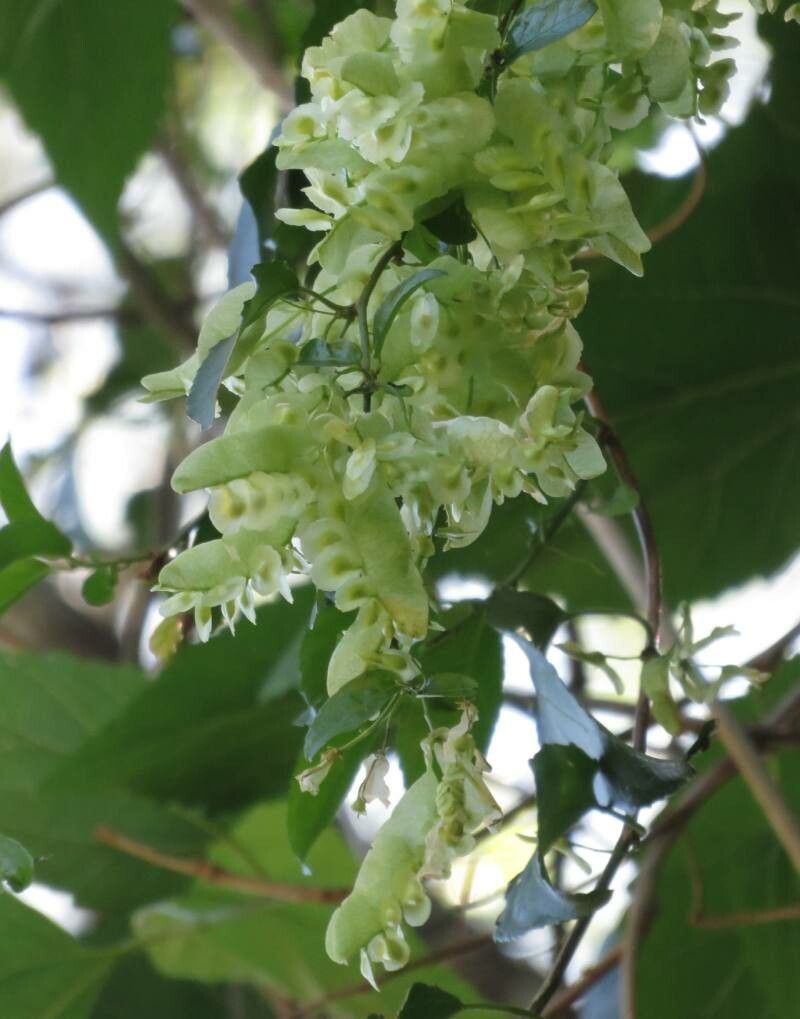
Anchietea pyrifolia, a captivating evergreen climber with glossy leaves and delicate white flowers, adds a touch of elegance to any garden. Native to South America, this intriguing plant, also known as the “Anchor Plant” or “Butterfly Vine,” is gaining popularity among plant enthusiasts for its beauty and resilience. But how do you successfully propagate this botanical gem and expand your own leafy haven? Let’s unravel the secrets of Anchietea pyrifolia propagation, providing you with the knowledge and confidence to grow your own flourishing vines.
Two Paths to Propagation:
While Anchietea pyrifolia can be grown from seeds, propagation through cuttings reigns supreme as the most effective and widely practiced method.
Seed Propagation: While feasible, finding Anchietea pyrifolia seeds can be a challenge. If you do manage to source some, sow them in a well-draining seed-starting mix, keep warm and moist, and patiently await germination, which can be unpredictable.
Cutting Propagation: This method boasts a higher success rate and offers a faster route to establishing new plants. Follow these steps for optimal results:
Timing is Key: Spring and early summer, when the plant is actively growing, provide the ideal conditions for successful cutting propagation.
Selecting the Perfect Cuttings: Choose healthy, non-flowering stems that are around 4-6 inches long. Look for stems with at least two to three nodes (small bumps where leaves emerge).
Preparing the Cuttings: Using a sharp, sterilized blade or pruning shears, make a clean cut just below a node. Remove the leaves from the bottom inch of the cutting to prevent rotting.
Encouraging Root Development: While not essential, dipping the cut end in rooting hormone powder can significantly increase the chances of successful root formation.
Planting the Cuttings: Plant the cuttings in a well-draining potting mix, burying the bottom node. A mix of peat moss, perlite, and vermicast creates a fertile and airy environment for the roots to develop.
Providing Optimal Conditions: Place your cuttings in a bright location, but away from direct sunlight. Maintaining a warm and humid environment is crucial. A humidity dome or placing a clear plastic bag over the pot can help retain moisture.
- Patience is a Virtue: Within a few weeks, you should start to see signs of new growth, indicating successful root development. Once the cuttings are well-rooted (usually within 4-6 weeks), you can transplant them into individual pots or your desired location in the garden.
Caring for Your New Propagations:
Anchietea pyrifolia thrives in well-draining soil and prefers a slightly acidic to neutral pH. Provide regular watering, allowing the soil to dry slightly between waterings. These climbers enjoy a spot with bright, indirect sunlight. Fertilize regularly during the growing season with a balanced fertilizer to support healthy growth.
Propagating your own Anchietea pyrifolia is a rewarding experience that allows you to expand your plant collection and share the joy of this captivating climber with others. By following these tips, you’ll be well on your way to cultivating a thriving haven of these beautiful vines.