
Unfurling the Secrets: Propagating Your Very Own Pteris Commutata Fern
The Pteris commutata, also known as the Himalayan Ladder Brake Fern, is a striking beauty with its arching fronds and delicate lace-like leaves. This low-maintenance fern brightens up homes and brings a touch of the wild indoors. Have you ever wished you could multiply its verdant charm? Good news – propagating your Pteris commutata is easier than you think!
This guide will demystify the process and equip you with the knowledge to successfully propagate your fern, expanding your plant family for free.
Understanding Your Fern:
Before diving in, it’s helpful to know that Pteris commutata often multiplies naturally through rhizomes, modified underground stems that sprout new growth. This characteristic makes propagation through division a particularly effective method.
Two Main Propagation Techniques:
1. Division:
This is the most straightforward and effective method for Pteris commutata:
- Timing is Key: Spring is the ideal time, just as new growth emerges.
- Preparation: Gently remove the fern from its pot. Have a clean, sharp knife or pair of shears ready.
- Dividing the Rhizome: Examine the root ball and identify healthy sections with established fronds and roots. Using your sterilized tool, carefully separate the rhizome, ensuring each division has a good amount of roots and at least one healthy frond.
- Potting: Plant each division in a well-draining potting mix, ensuring the rhizome sits just below the soil surface. Water thoroughly, allowing excess water to drain.
2. Spores:
While slightly more challenging, propagating Pteris commutata from spores can be a rewarding experience for the patient gardener:
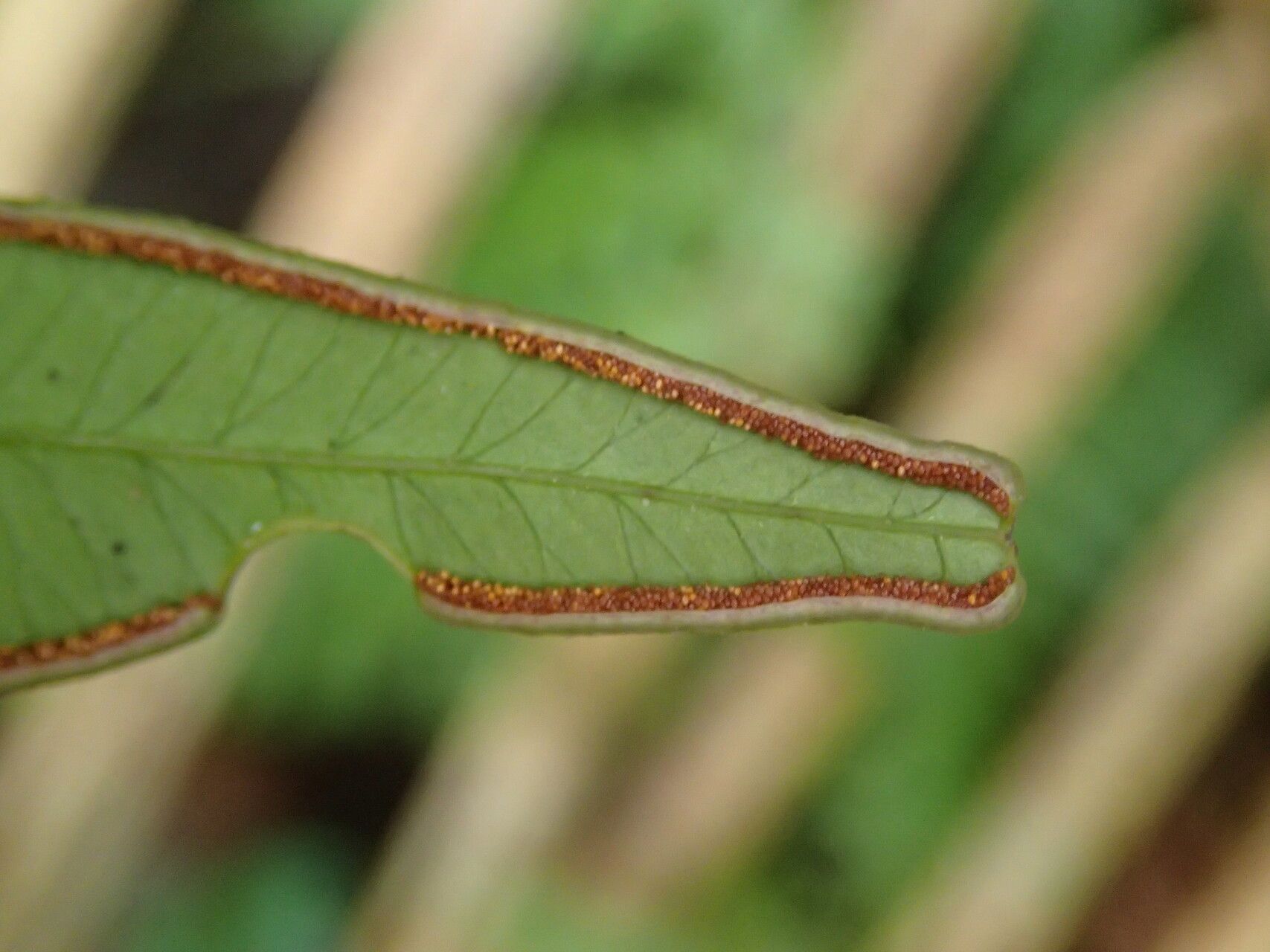
- Spore Collection: On the underside of mature fronds, you’ll find small brown dots called sori. These contain the spores. Snip off a frond with mature sori and let it dry thoroughly on a clean paper towel.
- Sowing the Spores: Once dry, gently scrape the spores onto the paper towel. Prepare a seed tray with a sterile seed starting mix. Sprinkle the spores thinly over the surface, mist with water, and cover with a clear plastic lid or wrap to maintain humidity.
- Patience is Key: Place the tray in a warm, bright location, out of direct sunlight. Spores can take several weeks to germinate. Ensure the soil stays consistently moist but not waterlogged. Tiny heart-shaped structures called gametophytes will emerge first, followed by fernlets.
- Transplanting: Once the fernlets are large enough to handle, carefully transplant them into individual pots with well-draining potting mix.
Caring for Your Propagated Ferns:
- Light: Place your new ferns in bright, indirect light. Avoid direct sunlight, which can scorch the delicate fronds.
- Water: Keep the soil evenly moist but not soggy. Water when the top inch of soil feels dry to the touch.
- Humidity: Pteris commutata appreciates humidity. Misting your ferns regularly or using a room humidifier will help them thrive.
Troubleshooting Tips:
- Yellowing fronds: This can indicate overwatering or insufficient drainage. Check the soil moisture and adjust watering accordingly.
- Brown leaf tips: This often signals dry air. Increase humidity levels by misting or using a humidifier.
Propagating your Pteris commutata is a rewarding experience. By following these tips, you can easily multiply your fern collection and enjoy its beauty for years to come!