
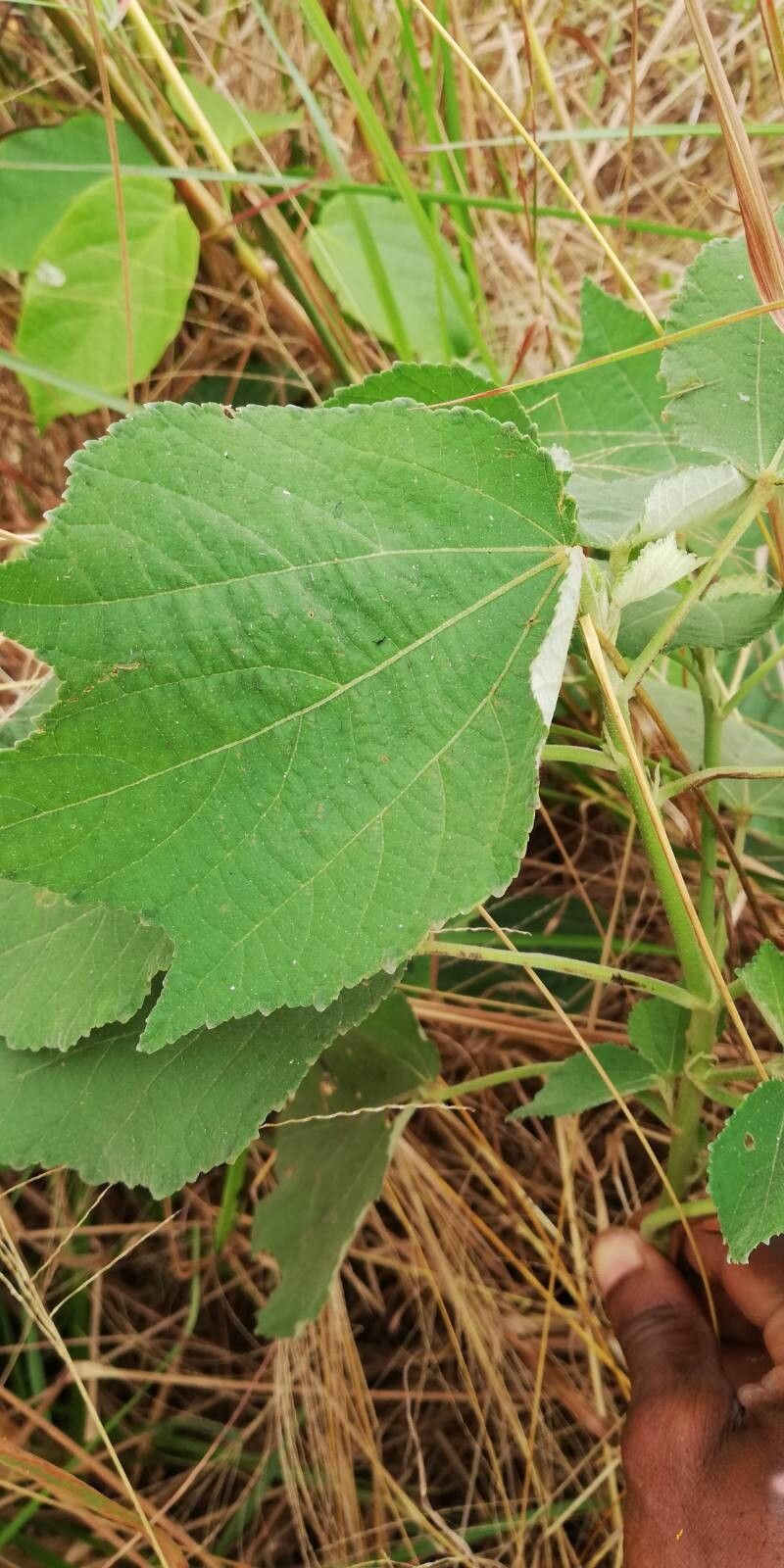
Growing Glory: Easy Propagation Techniques for Triumfetta cordifolia
Triumfetta cordifolia, also known charmingly as the Heart-leaved Burbark, may not be a household name in the gardening world, but this versatile plant deserves a spot in your garden (and heart!). With its attractive heart-shaped leaves, delicate yellow flowers, and intriguing bur-like fruits, Triumfetta cordifolia offers both beauty and fascinating texture. But the best part? It’s incredibly easy to propagate, allowing you to quickly expand your plant collection or share this unique beauty with friends.
Let’s explore the two most effective methods for propagating Triumfetta cordifolia:
1. Seed Propagation: From Tiny Burr to Thriving Plant
Those unusual “burs” clinging to the plant aren’t just intriguing to look at; they hold the key to a whole new generation of Triumfetta cordifolia!
Here’s the step-by-step process:
- Collect the Burs: As the plant finishes flowering, you’ll notice small, round burs develop. Wait until they turn brown and dry on the plant before collecting.
- Extract the Seeds: Each bur contains multiple seeds. Gently pry open the dried burs and collect the tiny seeds inside.
- Prepare for Sowing: You can choose to sow directly in your garden or start them indoors for transplanting later. Triumfetta cordifolia prefers well-drained soil, so amend heavy clay soil with compost before planting.
- Sow the Seeds: Scatter the seeds on the soil surface and lightly press them down. Cover with a thin layer of soil, about ¼ inch deep.
- Water and Patience: Water the seeds gently, ensuring the soil stays moist but not waterlogged. Be patient! Germination can take anywhere from a few weeks to a couple of months.
- Transplanting Time: Once the seedlings are a few inches tall and have developed several sets of true leaves, you can transplant them to their final locations, spacing them about 1-2 feet apart.
Tips for Success:
- Soaking the seeds in water for 24 hours before sowing can help speed up germination.
- Providing bottom heat using a seedling heat mat can be beneficial, especially if you are starting seeds indoors during cooler months.
2. Stem Cuttings: Cloning for a Quick Start
Prefer a faster approach? Stem cuttings are a reliable method for propagating Triumfetta cordifolia and yield quicker results than starting from seed.
Follow these simple steps:
- Select Healthy Stems: Choose young, healthy stems that are still flexible and haven’t flowered yet. Look for stems that are about 4-6 inches long.
- Make the Cut: Use a sharp, clean knife or pruning shears to make a diagonal cut just below a leaf node. Remove the leaves from the bottom third of the stem.
- Hormone Boost (Optional): While not essential, dipping the cut end of the stem in rooting hormone can encourage faster and more successful rooting.
- Planting the Cuttings: Plant the cuttings in a well-draining potting mix or seed starting mix. Make a small hole with your finger or a pencil and gently insert the cutting, ensuring at least one leaf node is buried.
- Create a Humid Environment: Cover the pot with a plastic bag or use a humidity dome to create a warm, humid environment that promotes root development.
- Monitor and Transplant: Keep the soil consistently moist but not soggy. After 4-6 weeks, gently tug on the cutting – resistance indicates successful rooting! Once the cuttings have a well-established root system, you can transplant them into larger pots or your garden.
Triumfetta cordifolia: A Rewarding Addition to Your Garden
Whether you choose to start from seed or cuttings, propagating Triumfetta cordifolia is a rewarding experience that allows you to cultivate this unique and beautiful plant. So why not give it a try? You’ll be rewarded with its charming foliage, delicate blooms, and fascinating seedpods – a true conversation starter for any garden enthusiast.