
Multiply Your Elderberry Bounty: Propagating Sambucus mexicana
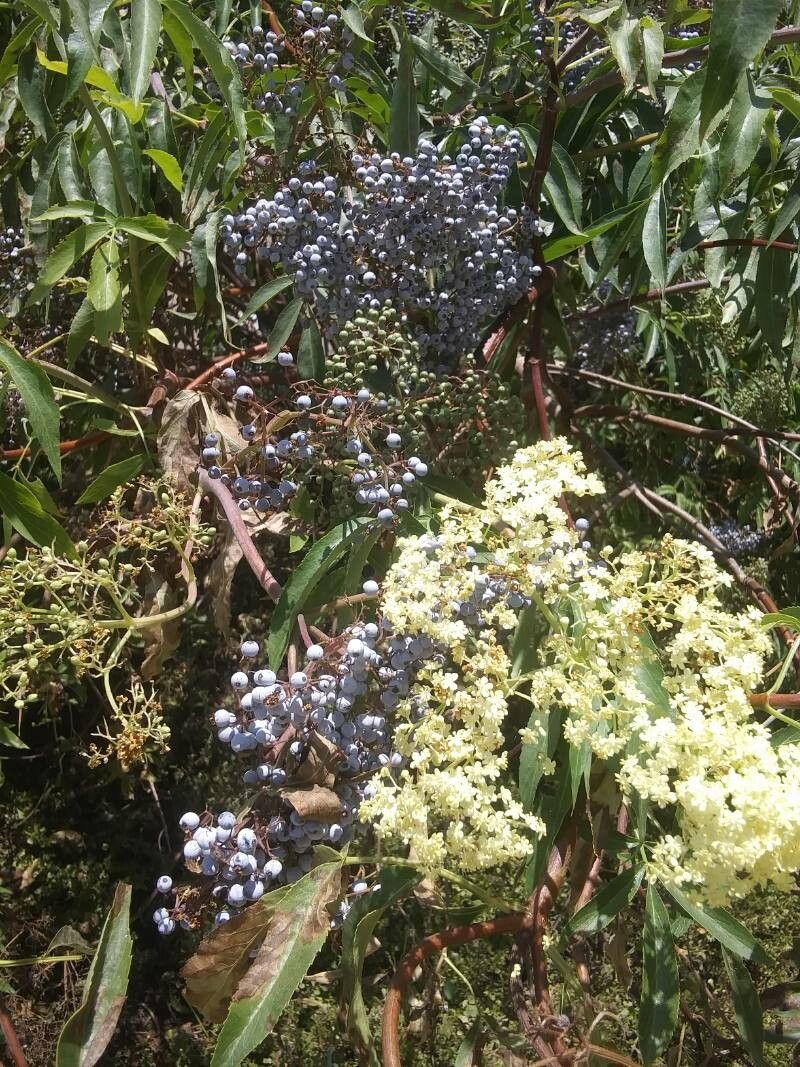
The Sambucus mexicana, also known as Mexican elderberry or blue elderberry, is a favorite for its stunning creamy flower clusters, vibrant blue-black berries, and ability to attract diverse pollinators. If you’re enchanted by this generous shrub and eager to expand its presence in your garden, you’ll be pleased to discover that propagating Sambucus mexicana is a surprisingly straightforward process.
This guide will explore the two most effective methods to multiply your elderberry bounty:
1. Cuttings: Harvesting Clones for Guaranteed Success
Taking hardwood cuttings is a reliable way to create exact replicas of your existing Sambucus mexicana. Here’s how:
Timing is Key: Late fall or early winter, when the plant is dormant, is the ideal time for taking hardwood cuttings.
Tools of the Trade: You’ll need sharp pruning shears or a knife, a rooting hormone (powder or liquid), and a container filled with a well-draining potting mix.
Step-by-Step Guide:
- Select Healthy Stems: Choose healthy, mature stems that are at least pencil-thick and have no signs of damage or disease.
- Take the Cuttings: Make a clean cut about 6-8 inches long just below a leaf node (the slightly swollen area where leaves emerge).
- Prepare the Cuttings: Remove leaves from the bottom third of the cutting.
- Hormone Boost: Dip the bottom inch of the cutting in rooting hormone to encourage root development.
- Planting Time: Plant the cuttings in the prepared container, burying about a third of the stem in the mix. Water well.
- Patience is Key: Place the container in a sheltered location with indirect sunlight. Keep the soil consistently moist but not waterlogged.
- Spring Awakening: By spring, the cuttings should have rooted. You can gently tug on the stem to check for resistance. Once rooted, transplant them to larger pots or directly into their permanent location in your garden.
2. Seed Germination: Embracing the Element of Surprise
While slightly less predictable than cuttings, starting Sambucus mexicana from seed offers an exciting opportunity to potentially discover unique variations in the plant.
Seed Source: You can harvest ripe elderberries from an existing plant or purchase seeds from a reputable supplier.
Preparing for Sprouting:
- Seed Extraction: For fresh berries, extract the seeds by gently crushing the fruit and rinsing away the pulp. Allow the seeds to dry thoroughly.
- Cold Stratification: Sambucus mexicana seeds benefit from a period of cold stratification, mimicking natural winter conditions. Place the seeds between two damp paper towels in a sealed plastic bag and store them in the refrigerator for 6-8 weeks.
Sowing the Seeds:
- Planting Medium: Use a seed starting mix or a well-draining potting mix.
- Shallow Sowing: Sow the seeds about ¼ inch deep and keep the soil consistently moist.
- Warmth and Light: Place the seed tray or pots in a warm location with bright, indirect light. Germination can take several weeks to a couple of months.
- Transplanting Time: Once the seedlings develop a few sets of true leaves, they can be carefully transplanted to individual pots or directly into the garden.
Important Notes for Success:
- Sunlight & Soil: Sambucus mexicana thrives in full sun to partial shade and prefers well-drained soil.
- Watering: Water regularly, especially during dry periods.
- Pruning: Pruning is best done after flowering to encourage bushier growth.
By following these propagation methods, you can cultivate a thriving collection of Sambucus mexicana, enriching your landscape with their beauty and providing a haven for beneficial wildlife.