
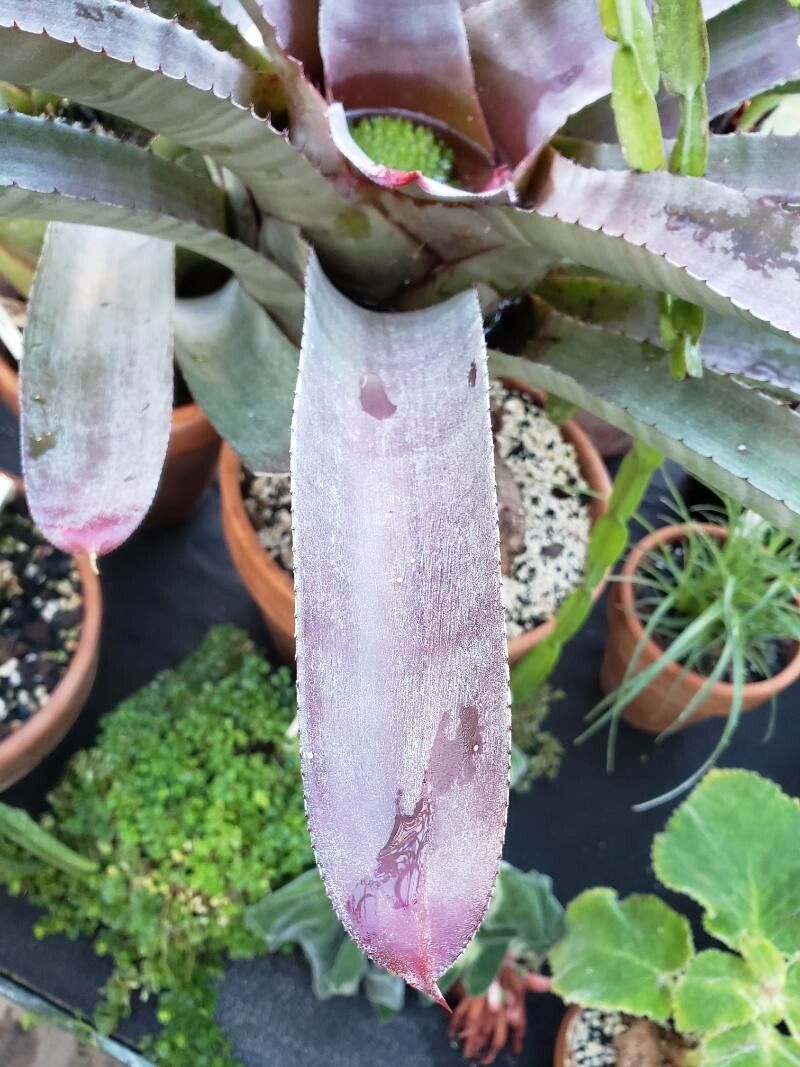
Unleash Your Inner Plant Parent: Propagating Your Striking Neoregelia Cruenta
The Neoregelia cruenta, with its fiery foliage and captivating central “cup,” is a bromeliad sure to turn heads. But did you know that this tropical beauty is surprisingly easy to propagate? That’s right! You can expand your bromeliad family without breaking the bank, and it’s a fulfilling process for any plant enthusiast.
Understanding the Life Cycle
Before diving into propagation, it’s helpful to understand the Neoregelia cruenta’s life cycle. Unlike many plants that reproduce through seeds, bromeliads primarily rely on pups. These are miniature versions of the parent plant that sprout around the base. Once mature, the parent plant typically flowers only once, then gradually fades, making way for the new generation of pups to take center stage.
The “Pup”lication Process: Two Methods for Success
1. Division:
- Timing is Key: Wait until the pups are at least a third of the size of the parent plant and have developed their own root systems. This ensures they’re strong enough to thrive independently.
- Gently Does It: Carefully remove the parent plant from its pot and examine the base. Look for natural separation points between the pup and the mother plant.
- Sharp and Clean: Use a sterilized sharp knife or shears to separate the pups, ensuring each has a good amount of roots attached.
- New Beginnings: Plant each pup in a well-draining bromeliad mix or a blend of peat moss, perlite, and bark chips. Choose a pot slightly larger than the pup’s root system.
- Patience is a Virtue: Keep the newly potted pups in a warm, humid environment with bright, indirect light. Water sparingly until you see new growth, indicating successful rooting.
2. Seed Propagation (A Bit More Advanced):
- Pollination Power: While less common, you can try your hand at seed propagation. Neoregelia cruenta require cross-pollination from another plant of the same species, but not the same cultivar. Use a small brush to transfer pollen from the flower of one plant to another.
- Seed Collection: If pollination is successful, seed pods will form. Allow them to dry completely on the plant before collecting the seeds.
- Sowing the Future: Sow the seeds on top of a moistened seed starting mix and barely cover. Keep them consistently moist and in a warm, brightly lit area.
- Time and Tender Loving Care: Germination can be slow and inconsistent. Be patient and continue providing the appropriate conditions for success.
Caring for Your New Clones
Once your propagations are established, caring for them is similar to caring for the parent plant. Remember these key tips:
- Light: Bright, indirect light is ideal. Avoid direct sunlight, which can scorch the leaves.
- Water: Water the central “cup” of the plant, allowing the excess to drain away. Avoid letting the potting mix become soggy, which can lead to root rot.
- Humidity: These tropical beauties appreciate moderate to high humidity. Consider placing them on a humidity tray or misting them regularly.
- Fertilizer: Use a diluted, balanced fertilizer every 4-6 weeks during the growing season (spring and summer).
With a little patience and care, you’ll soon have a thriving collection of Neoregelia cruenta, showcasing a stunning spectrum of colors. Propagating your own plants not only saves money but also deepens the connection with your green companions, enriching your home with vibrant life. So go forth, propagate, and enjoy the rewards of your blooming bromeliad family!