
Taming the Wild: How to Propagate the Sturdy Reichardia Picroides
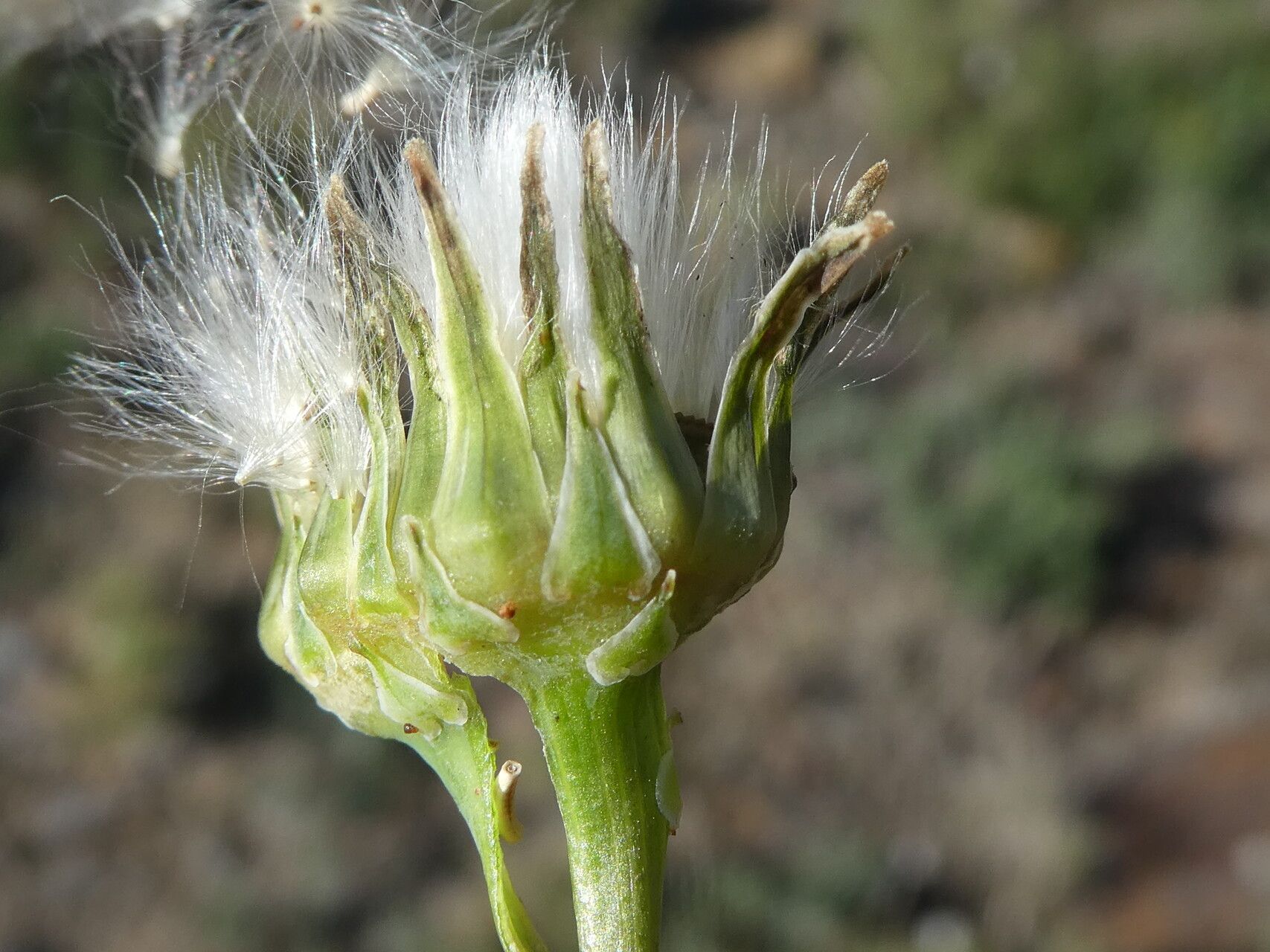
The Reichardia picroides, also known as French Scorzonera or less formally, the “Yellow Sow Thistle”, might not be the first plant that comes to mind when you think of your dream garden. However, this often-overlooked species, native to the Mediterranean region, boasts charming, dandelion-like yellow flowers and surprisingly versatile uses. Whether you’re a seasoned gardener looking for an easy-to-grow edible green or a beginner seeking a low-maintenance, drought-tolerant plant, the Reichardia picroides might just be your perfect match.
This article dives into the simple yet effective methods of propagating this resilient plant, allowing you to easily multiply your stock and enjoy its bright blooms and unique foliage.
Two Paths to Propagation: Seeds vs. Cuttings
Reichardia picroides can be propagated through two main methods:
1. Seed Propagation:
- Timing is Everything: The best time to sow Reichardia picroides seeds is during the cooler months, ideally in early spring or late summer. This allows the plant to establish itself before the harsh summer heat arrives.
- Simplicity is Key: You can directly sow the seeds into the ground or start them indoors in seedling trays.
- Direct Sowing: Scatter the seeds over prepared soil and lightly rake them in. Ensure consistent moisture until germination, which usually takes 1-2 weeks.
- Seedling Trays: Use a well-draining seed starting mix and sow seeds about ¼ inch deep. Once seedlings develop a few sets of true leaves, they can be transplanted outdoors.
- Sunshine is Your Friend: Reichardia picroides thrives in full sun. Choose a location in your garden that receives at least 6 hours of sunlight daily.
2. Propagation from Cuttings:
- Timing Matters, Again: Take cuttings from healthy, established plants during the cooler months, preferably in spring or fall.
- Choose Wisely: Select healthy stems that are about 4-6 inches long and free from flowers or buds.
- Process is Key:
- Remove the bottom leaves from the cutting, leaving only a few at the top.
- Dip the cut end in a rooting hormone (optional but recommended).
- Plant the cutting in a well-draining potting mix.
- Keep the soil consistently moist but not waterlogged.
- Patience is a Virtue: It may take several weeks for the cuttings to root. You’ll know they’ve rooted when you see new growth.
Care and Maintenance: Simple is Best
Reichardia picroides is an incredibly low-maintenance plant. Here are some tips to ensure its success:
- Well-Drained Soil: Use a soil mix that allows for good drainage. Avoid heavy, clay-like soils that retain too much moisture.
- Minimal Watering: Once established, Reichardia picroides is quite drought-tolerant. Water only when the soil is dry to the touch.
- Feeding is Optional: While not essential, you can fertilize the plant with a balanced fertilizer a few times during the growing season.
Edible Delights:
Beyond its beauty, Reichardia picroides offers culinary uses as well. The young leaves possess a slightly bitter yet pleasant flavor and can be enjoyed raw in salads or cooked like spinach.
By following these simple propagation techniques, you can easily introduce the tough and versatile Reichardia picroides to your garden. Its bright blooms, low-maintenance nature, and edible qualities make it a unique and rewarding addition to any gardener’s collection.