
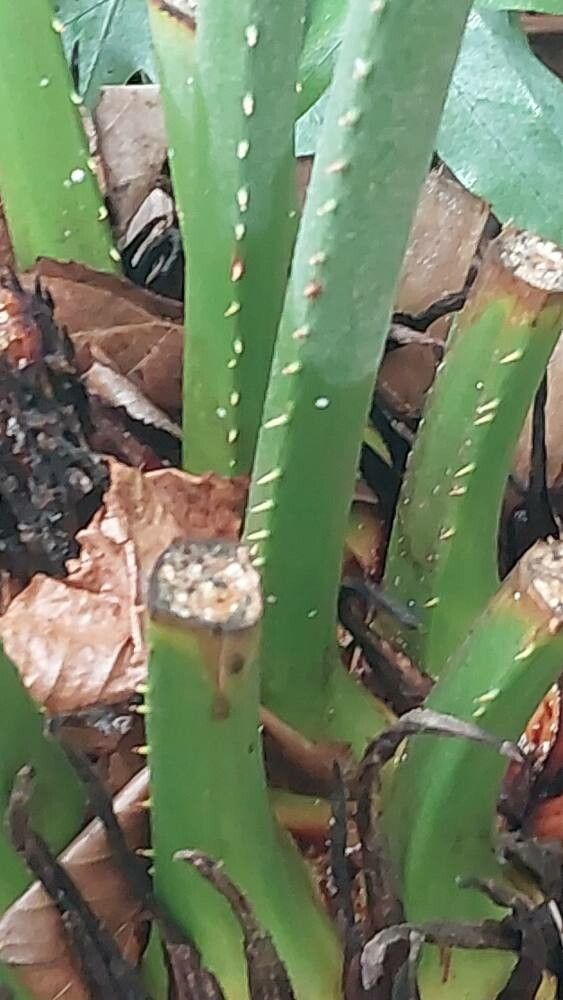
Unlocking Ancient Secrets: Propagating the Majestic Cycas guizhouensis
The Cycas guizhouensis, a prehistoric cycad hailing from the limestone hills of Guizhou, China, is a living relic. This ancient plant, with its crown of emerald fronds and textured trunk, evokes images of a time when dinosaurs roamed the Earth. While acquiring a mature specimen can be quite the investment, propagating your own Cycas guizhouensis offers a rewarding challenge and a chance to connect with botanical history.
Before diving in, it’s crucial to understand that Cycas guizhouensis, like most cycads, grow incredibly slowly. Patience is truly a virtue when propagating these living fossils.
Let’s explore the two primary methods:
1. Seed Propagation (The Patient Gardener’s Route):
- Sourcing Seeds: Obtaining viable seeds is arguably the biggest hurdle. Reputable cycad nurseries are your best bet, ensuring proper permits and ethical sourcing.
- Preparing for Germination: Cycas guizhouensis seeds boast a tough outer coat. Scarification, gently nicking or sanding the seed coat, can significantly improve germination rates.
- Sowing the Seeds: Plant your seeds in a well-draining potting mix, burying them about an inch deep. Maintain consistent moisture and warmth (around 70-80°F).
- The Waiting Game: Germination can take anywhere from a few months to over a year. Don’t lose hope! Once seedlings sprout, provide bright indirect light and maintain a consistent watering schedule, allowing the soil to dry slightly between waterings.
2. Offshoot (Pup) Removal (A Faster Track, But Less Common):
- Spotting the Opportunity: Mature Cycas guizhouensis occasionally produce offshoots, or pups, at the base of their trunk. These pups are essentially clones of the parent plant.
- Careful Removal: Using a clean, sharp knife, carefully separate the pup from the main trunk, ensuring you get a good portion of the pup’s base.
- Potting the Pup: Plant the pup in a well-draining potting mix, ensuring the base is firmly planted.
- Nurturing Growth: As with seedlings, provide bright indirect light and maintain a consistent watering schedule.
Important Considerations for Success:
- Well-draining Soil: Cycas guizhouensis despise soggy roots. A mix designed for succulents or cacti is ideal.
- Patience is Key: Remember, these are slow growers. Consistent care and observation are essential.
- Pests and Diseases: While generally resilient, keep an eye out for common pests like scale insects or mealybugs. Treat promptly with insecticidal soap or neem oil.
Propagating your own Cycas guizhouensis is a rewarding endeavor, allowing you to cultivate a piece of ancient history. While it demands patience and dedication, the sight of a new frond unfurling, a testament to your efforts, makes the journey worthwhile.