
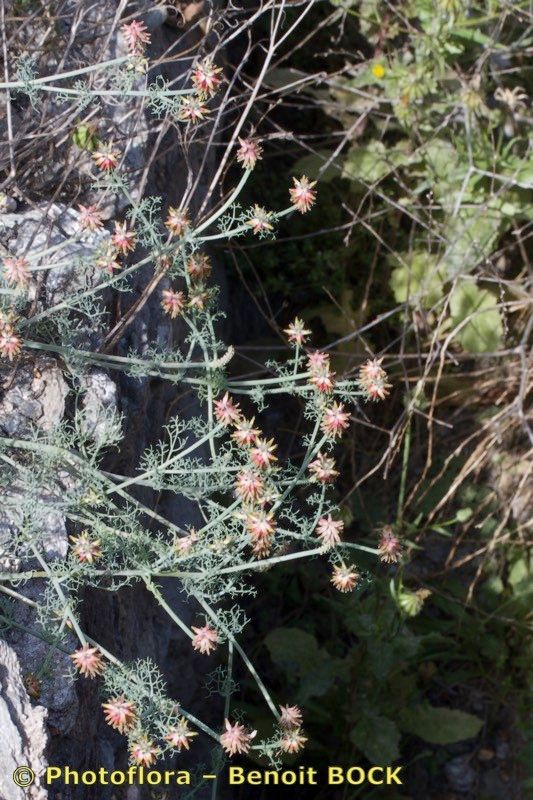
Unlocking the Secrets of “Venus’ Comb”: A Guide to Propagating Platycapnos tenuiloba
Platycapnos tenuiloba, also known by the charming name “Venus’ comb,” is a delightful annual flower native to the Mediterranean. Beloved for its delicate, fern-like foliage and whimsical, heart-shaped blooms, it brings a touch of airy whimsy to any garden. If you’re enchanted by Venus’ comb and want to expand its presence in your outdoor space, you’re in luck! This easy-to-grow beauty can be propagated with minimal effort.
This comprehensive guide will equip you with all the knowledge you need to propagate Platycapnos tenuiloba successfully:
Understanding the Basics:
Before we dive into the methods, let’s understand the life cycle of this captivating plant. Platycapnos tenuiloba is an annual, which means it completes its life cycle in a single growing season. It flowers prolifically from late spring to early summer, producing an abundance of charming, creamy-white to pale pink blooms. After flowering, the plant produces seed pods, aptly named “Venus’ combs” due to their unique shape. Understanding this cycle is key to successful propagation.
Two Tried-and-True Methods:
1. Seed Propagation:
The most common and reliable method for propagating Venus’ comb is through seeds. Here’s how:
- Seed Collection: Once the flowers fade, allow the seed pods to develop fully. They should turn brown and papery when ripe. Snip the pods carefully and store them in a cool, dry place until you’re ready to sow.
- Sowing Directly in the Garden: For an effortless approach, sow the seeds directly into your garden beds in early spring, after the last frost has passed. Choose a well-drained location that receives full sun to partial shade.
- Starting Indoors: If you desire an early start to the growing season, begin seeds indoors 6-8 weeks before your last expected frost. Sow the seeds in seed-starting mix, lightly covering them with soil. Maintain consistent moisture and provide adequate light.
- Transplanting: Whether sown directly or started indoors, thin the seedlings to about 6-8 inches apart once they reach a couple of inches tall. This allows for optimal growth and air circulation.
2. Self-Seeding:
Here’s the best part about Venus’ comb – it’s a prolific self-seeder! If you allow some of the seed pods to mature and disperse naturally in your garden, chances are you’ll have a new generation of plants popping up the following spring. This hands-off approach adds an element of delightful surprise to your gardening experience.
Tips for Success:
- Well-Drained Soil: Platycapnos tenuiloba thrives in loose, well-drained soil. Amend heavy clay soils with compost or other organic matter to improve drainage.
- Sunlight Requirements: While Venus’ comb prefers full sun (6-8 hours of direct sunlight), it can tolerate partial shade, especially in warmer climates.
- Watering: Water regularly, especially during dry periods, but avoid overwatering, which can lead to root rot.
- Deadheading (Optional): While not essential, deadheading spent blooms can encourage bushier growth and potentially prolong the flowering period.
A Rewarding Experience:
Propagating Platycapnos tenuiloba is a rewarding experience that allows you to expand the presence of this charming flower in your garden effortlessly. Whether you choose to start from seeds or let nature take its course with self-seeding, you’ll be rewarded with a delightful display of delicate foliage and whimsical blooms. So go ahead, unlock the secrets of “Venus’ comb” and enjoy its captivating beauty in your own backyard!