
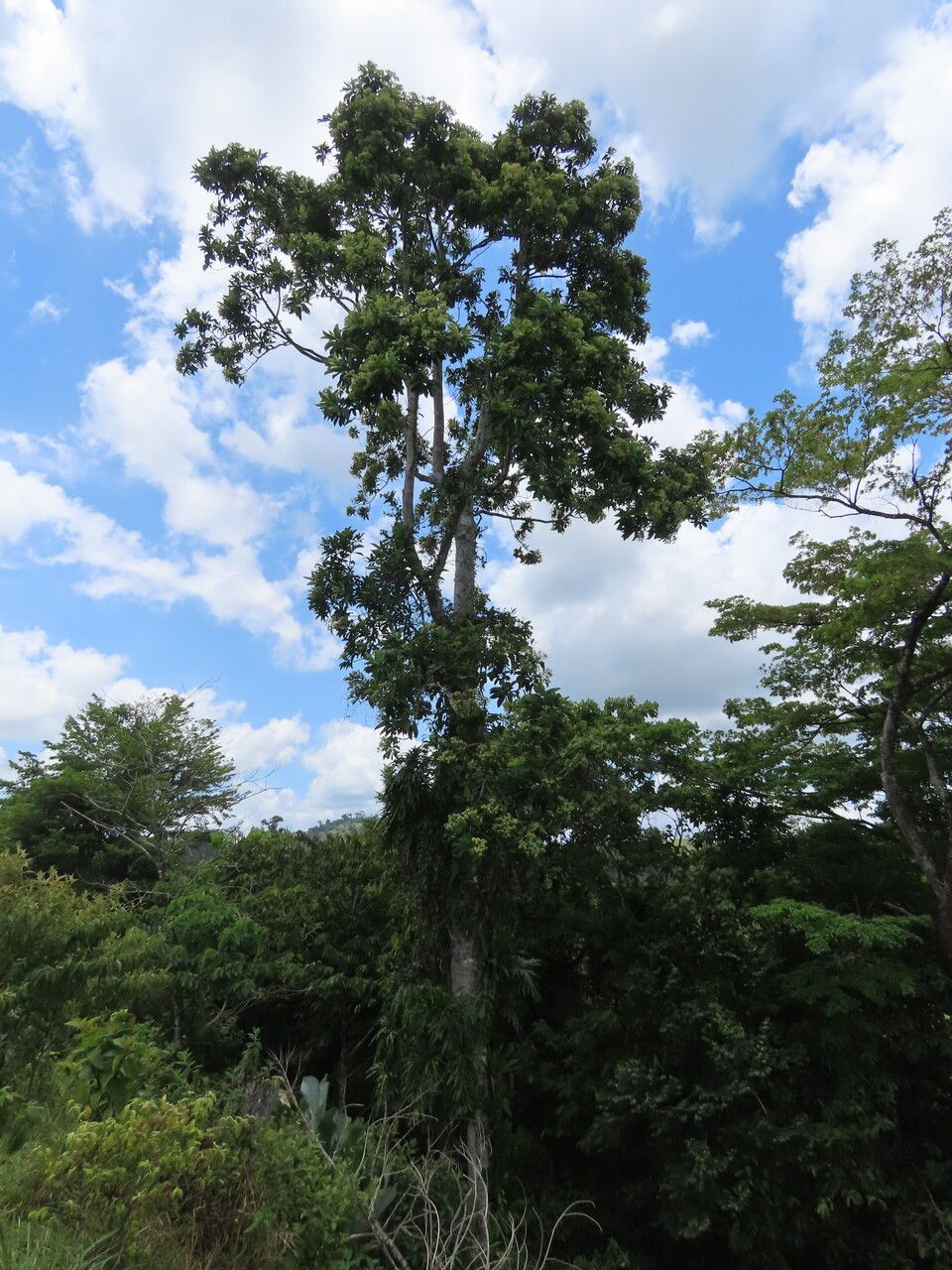
Cracking the Code: Propagating the Enigmatic Hernandia didymantha
The Hernandia didymantha, a captivating tree native to the rainforests of Australia and Southeast Asia, is renowned for its striking beauty and intriguing adaptations. Its large, heart-shaped leaves provide a lush canopy, while its unique, cup-shaped fruits – resembling miniature wooden lanterns – captivate the eye. If you’re lucky enough to encounter this botanical treasure and dream of fostering its growth, you’ll discover that propagating Hernandia didymantha is a rewarding, albeit somewhat challenging, endeavor.
While information on its propagation is scarce compared to commercially popular species, don’t despair! This guide delves into the two primary methods of propagating Hernandia didymantha:
1. Seed Propagation: Embracing the Patience of Nature
The most common approach to propagating Hernandia didymantha is through its seeds. However, patience is key as the process requires dedication and a touch of green-thumb magic. Here’s how to embark on this rewarding journey:
Seed Collection and Preparation: Look for mature, dried fruits on the tree or forest floor. Carefully extract the seeds, discarding the outer fleshy casing. Importantly, Hernandia didymantha seeds exhibit hypogeal germination, meaning the cotyledons (seed leaves) remain below ground. Therefore, avoid any attempts to remove the seed coat, as this can damage the emerging shoot.
Sowing the Seeds: Utilizing a well-draining seed raising mix, plant the seeds about 1 inch deep. Maintaining a consistently moist (not waterlogged) environment is crucial for successful germination.
The Waiting Game (and Environmental Factors): Germination can take anywhere from a few weeks to several months – patience is your greatest virtue! Optimal conditions include warm temperatures (around 75-85°F or 24-29°C) and dappled sunlight, replicating their natural rainforest environment.
- Transplanting the Seedlings: Once the seedlings develop a robust root system and several true leaves, they can be carefully transplanted into individual pots with a well-draining potting mix.
2. Cutting Propagation: A Quicker Route, But With Caveats
Propagating Hernandia didymantha from cuttings offers a potentially faster route, but success rates can be variable and require more horticultural finesse. Here’s a breakdown of the process:
Selecting the Right Cuttings: Choose healthy, semi-hardwood cuttings from the current year’s growth. Ideally, the cutting should be around 4-6 inches long and contain several leaf nodes.
Hormone Treatment and Planting: Dipping the cut end in rooting hormone powder can significantly increase success rates. Plant the cutting in a well-draining rooting medium, ensuring that at least one leaf node is below the soil surface.
Creating a Humid Environment: Maintaining high humidity is crucial for cuttings to develop roots. Enclosing the pot in a clear plastic bag or using a propagation chamber can help achieve this.
- Monitoring and Patience: It may take several weeks for roots to develop. Once you observe new growth, it’s a good sign that the cutting has successfully rooted.
Challenges and Tips:
Seed Dormancy: Hernandia didymantha seeds may exhibit dormancy, meaning they need a specific environmental cue to trigger germination. Soaking the seeds in warm water for 24 hours before sowing can help overcome dormancy.
Maintaining Humidity: Both seedlings and cuttings benefit from consistently high humidity. Regular misting or using a humidifier can help replicate their natural rainforest environment.
- Pest and Disease Control: Being vigilant about pests and diseases is crucial. Regularly inspect your plants and address any issues promptly.
Propagating Hernandia didymantha requires patience, dedication, and a bit of trial and error. But the rewards of successfully nurturing this captivating rainforest dweller are well worth the effort. As you witness your own Hernandia didymantha thrive, you’ll not only be contributing to the conservation of this remarkable species but also adding a touch of the rainforest’s allure to your own green haven.