
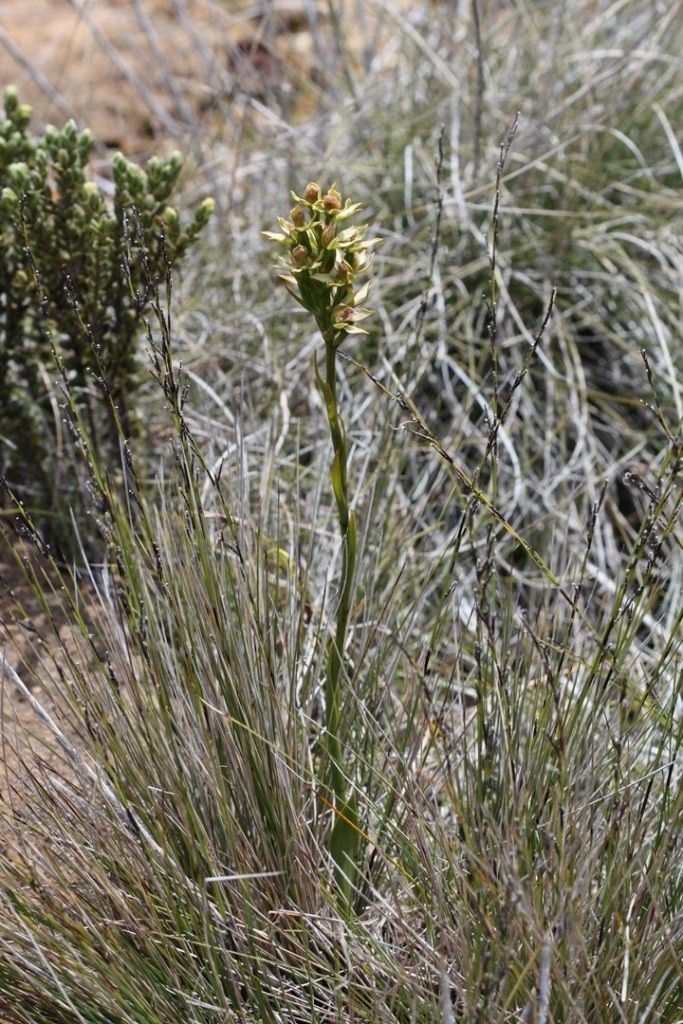
Unlocking the Secrets: Propagating the Enchanting Megastylis latilabris
The Megastylis latilabris, also known as the Large-Lipped Hammer Orchid, is a botanical marvel native to Australia. Its unique beauty, characterized by a large, insect-like labellum and striking colors, draws orchid enthusiasts and nature lovers alike. But have you ever dreamt of cultivating this captivating orchid yourself? While often perceived as challenging, propagating Megastylis latilabris, though not necessarily simple, can be achievable, allowing you to welcome this alluring species into your own home.
This guide delves into the fascinating world of Megastylis latilabris propagation, empowering you to take on the rewarding journey of cultivating this remarkable orchid.
Understanding the Basics: How Megastylis latilabris Grows
Before embarking on propagation, it’s crucial to understand the orchid’s natural growth habit. Megastylis latilabris is a terrestrial orchid, meaning it grows in the ground, not on trees like epiphytic orchids. It produces underground tubers, which are storage organs that help the plant survive periods of drought. Understanding this lifecycle is key to successful propagation.
Two Propagation Pathways: Division and Seed Germination
1. Division: The Simpler Route
- Timing: The ideal time for division is during the dormant season, typically after flowering.
- Process: Carefully remove the plant from its pot and gently separate the tubers. Each division should have at least two healthy tubers and a growing point.
- Repotting: Pot the divisions in a free-draining orchid mix formulated for terrestrial orchids. Ensure the top of the tuber is level with the potting mix.
2. Seed Germination: A More Advanced Challenge
Propagating Megastylis latilabris from seed requires patience and specialized knowledge, as orchid seeds are incredibly small and lack their own food reserves.
- Symbiotic Relationship: In nature, Megastylis latilabris seeds rely on a symbiotic relationship with specific mycorrhizal fungi to germinate.
- Flask Culture: To mimic this relationship, seeds are sown in a sterile environment, like a flask, on a nutrient-rich medium containing the necessary fungi. This method is best left to experienced growers or commercial nurseries.
Essential Care After Propagation
Whether you choose division or seed germination, providing the right environment is crucial for successful establishment.
- Light: Megastylis latilabris prefers bright, indirect light. Avoid direct sunlight, which can scorch its leaves.
- Water: Water thoroughly when the potting mix is almost dry, allowing excess water to drain. Avoid overwatering, as it can lead to tuber rot.
- Humidity: Aim for humidity levels around 50-70%. A pebble tray or humidifier can help increase humidity.
- Temperature: These orchids prefer intermediate to warm temperatures.
- Fertilizer: Feed regularly during the growing season with a diluted fertilizer specifically formulated for orchids.
Patience is Key: Remember that Megastylis latilabris, like many orchids, can take its time to establish and bloom after propagation. Be patient and provide consistent care, and you’ll eventually be rewarded with the enchanting beauty of its unique flowers.
Propagating this captivating orchid is a rewarding endeavor for any plant enthusiast. While it requires patience and dedication, the process offers a deeper understanding of this remarkable species and the satisfaction of nurturing its lifecycle. So embrace the challenge and unlock the secrets of propagating the enchanting Megastylis latilabris!