
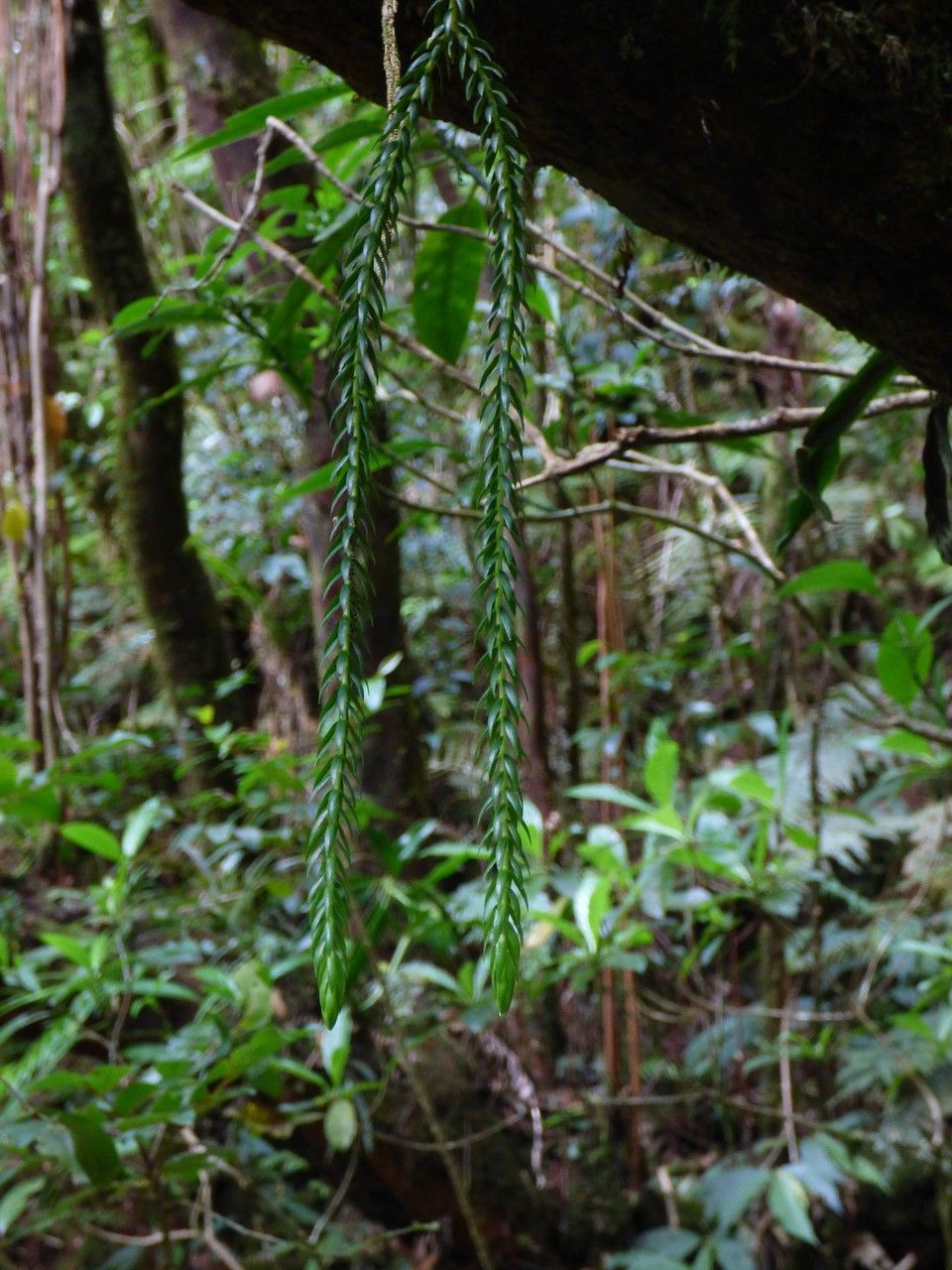
Unveiling the Secrets to Propagating the Striking Huperzia Gnidioides
The Huperzia gnidioides, with its vibrant green foliage and unique, almost prehistoric appearance, is a showstopper in any plant collection. This fascinating species, often resembling a miniature pine tree, belongs to the Lycopodiopsida class, more commonly known as clubmosses. While caring for a mature Huperzia gnidioides can be relatively straightforward, propagating this unique plant presents a fun challenge for plant enthusiasts. So, if you’re ready to expand your collection and propagate your very own Huperzia gnidioides, we’ll delve into the fascinating world of its propagation methods.
Understanding the Huperzia Gnidioides
Before diving into propagation, it’s essential to understand a bit about the plant itself. Unlike typical flowering plants, Huperzia gnidioides doesn’t produce seeds. Instead, it reproduces through spores, much like ferns and mosses. This unique characteristic requires a slightly different approach to propagation.
Methods of Propagation
1. Spore Propagation:
This method, while mimicking the plant’s natural reproduction cycle, is known to be quite challenging. Here’s a simplified breakdown:
- Spore Collection: Mature Huperzia gnidioides develop spore cones at the tips of their stems. Once these cones turn yellow-brown, carefully collect them and allow them to dry completely. Gently crush the cones to release the spores, which appear as a fine, dust-like powder.
- Spore Sowing: Prepare a sterile, well-draining growing medium. A mix of peat moss and perlite works well. Spread the spores thinly over the surface without burying them, as they require light for germination. Mist the medium thoroughly and enclose the container in a clear plastic bag to maintain high humidity.
- Patience is Key: Spore germination can be incredibly slow, sometimes taking several months. Place the container in a warm, bright location, but out of direct sunlight. Maintain consistent moisture and avoid overwatering.
2. Division:
A simpler and often more successful method for propagating Huperzia gnidioides is through division. Here’s how:
- Choosing the Right Plant: Select a healthy, mature Huperzia gnidioides with multiple stems emerging from the base.
- Division Process: Carefully remove the plant from its pot and gently tease apart the root ball. Aim to divide the plant into sections, ensuring each section has a good portion of roots and at least a few healthy stems attached.
- Potting: Plant the divided sections in individual pots filled with a well-draining potting mix that retains some moisture. Water thoroughly and place the newly potted divisions in a humid environment similar to that of the parent plant.
Caring for Young Huperzia Gnidioides:
Whether you choose to propagate through spores or division, caring for young Huperzia gnidioides requires attention to detail. Maintain high humidity levels by misting frequently or using a pebble tray. Provide bright, indirect light and keep the soil consistently moist but not waterlogged.
Final Thoughts:
Propagating Huperzia gnidioides can be a rewarding experience, offering a glimpse into the fascinating reproductive strategies of this ancient plant lineage. While spore propagation requires patience and a delicate touch, division provides a more straightforward approach. Whichever method you choose, remember that success lies in understanding the plant’s needs and providing the optimal conditions for growth. So, embrace the challenge, and soon you will have multiple Huperzia gnidioides gracing your plant collection.