
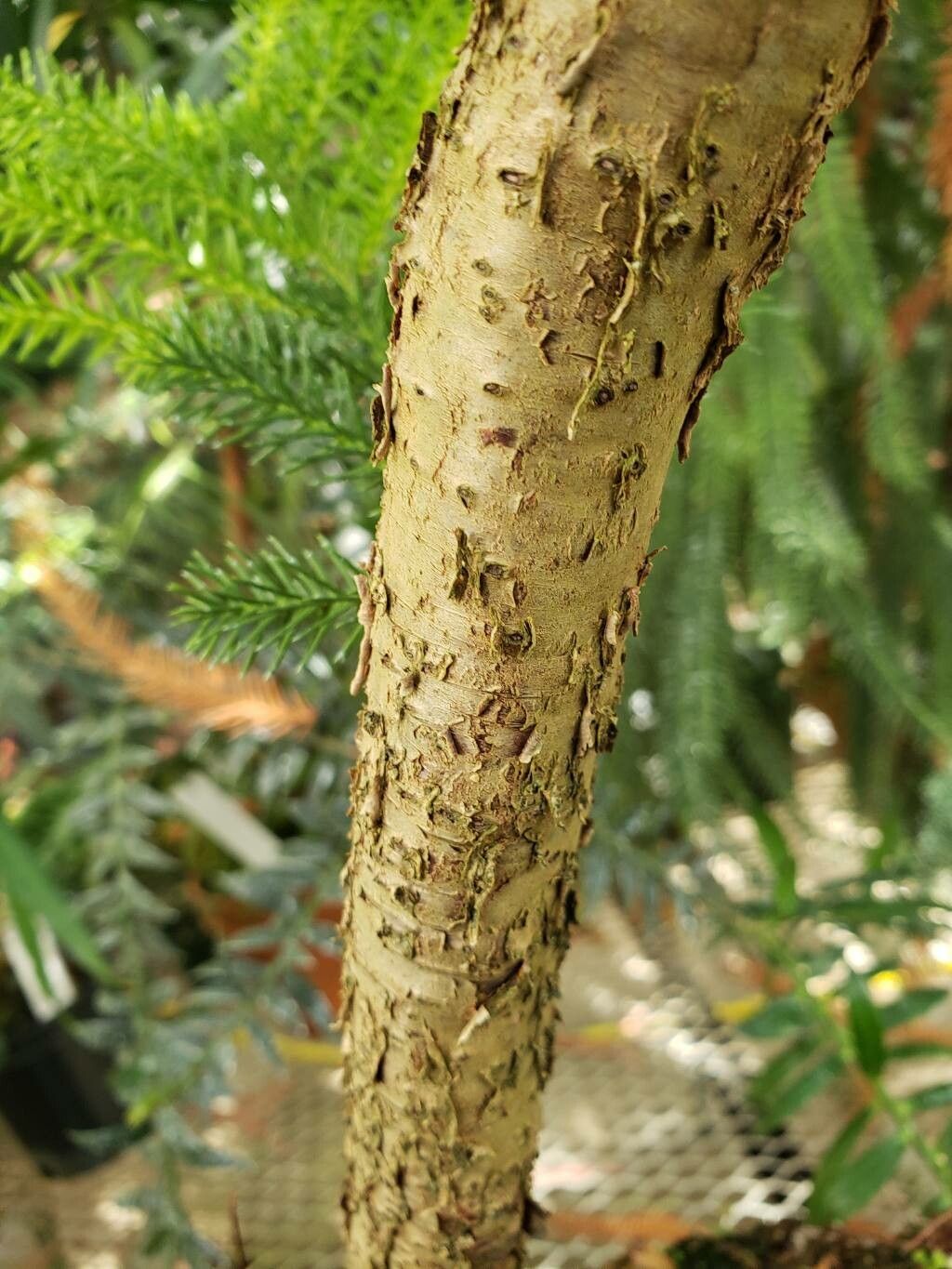
The Enigmatic Araucaria nemorosa: Can You Crack the Propagation Code?
The Araucaria nemorosa, a critically endangered conifer with its distinctive, almost reptilian foliage, is a captivating sight. Native to a tiny island off the coast of New Caledonia, this botanical wonder has charmed collectors and botanists alike. But its beauty belies a challenging truth – propagating Araucaria nemorosa is a task fraught with complexity, pushing the boundaries of horticultural expertise.
While the average gardener might balk at the intricate process, for the dedicated enthusiast, the challenge is part of the allure. So, what exactly makes Araucaria nemorosa propagation so demanding?
The Seed Hurdle:
Unlike many conifers easily propagated from seed, Araucaria nemorosa presents a significant obstacle – seed viability. The trees produce cones sparingly, and even when they do, the seeds often have low germination rates. Factors contributing to this include:
- Limited Genetic Diversity: The small, isolated population of Araucaria nemorosa suffers from low genetic diversity, making them more susceptible to inbreeding depression, which can impact seed viability.
- Seed Dormancy: The seeds possess a deep dormancy that can be difficult to break. This dormancy, while a natural survival strategy in their harsh native habitat, presents a hurdle in cultivation.
- Specific Germination Requirements: Successfully germinating these seeds requires mimicking their natural environment, including specific temperature fluctuations, humidity levels, and well-draining soil.
Venturing into Cuttings:
Propagating Araucaria nemorosa from cuttings offers an alternative, though equally challenging, route. Success with this method hinges on several factors:
- Timing is Key: Cuttings taken at the wrong time of year will likely fail. The ideal period is during the active growth phase, usually spring to early summer.
- Hormone Help: The use of rooting hormones is crucial, specifically those high in auxins, which promote root development in conifers.
- Patience is Paramount: Even under ideal conditions, rooting cuttings can be a waiting game, often taking months. It requires a controlled environment with high humidity and consistent warmth.
Conservation through Propagation:
The difficulties in propagating Araucaria nemorosa highlight its precarious position in the wild. With fewer than 100 mature trees remaining, successful propagation is crucial for its survival.
Botanical gardens and research institutions are at the forefront of these efforts, developing and refining techniques to safeguard this unique species. Through careful study of its reproductive biology and meticulous experimentation, they strive to unlock the secrets of successful propagation.
Beyond the Challenge, A Rewarding Pursuit:
Propagating Araucaria nemorosa may not be for the faint of heart, but it offers a uniquely rewarding experience. For those passionate about plant conservation and captivated by botanical rarities, the challenge is an integral part of the allure. As we unravel the intricacies of this species’ reproduction, we not only enhance our understanding of its biology but also contribute to its preservation for generations to come.