
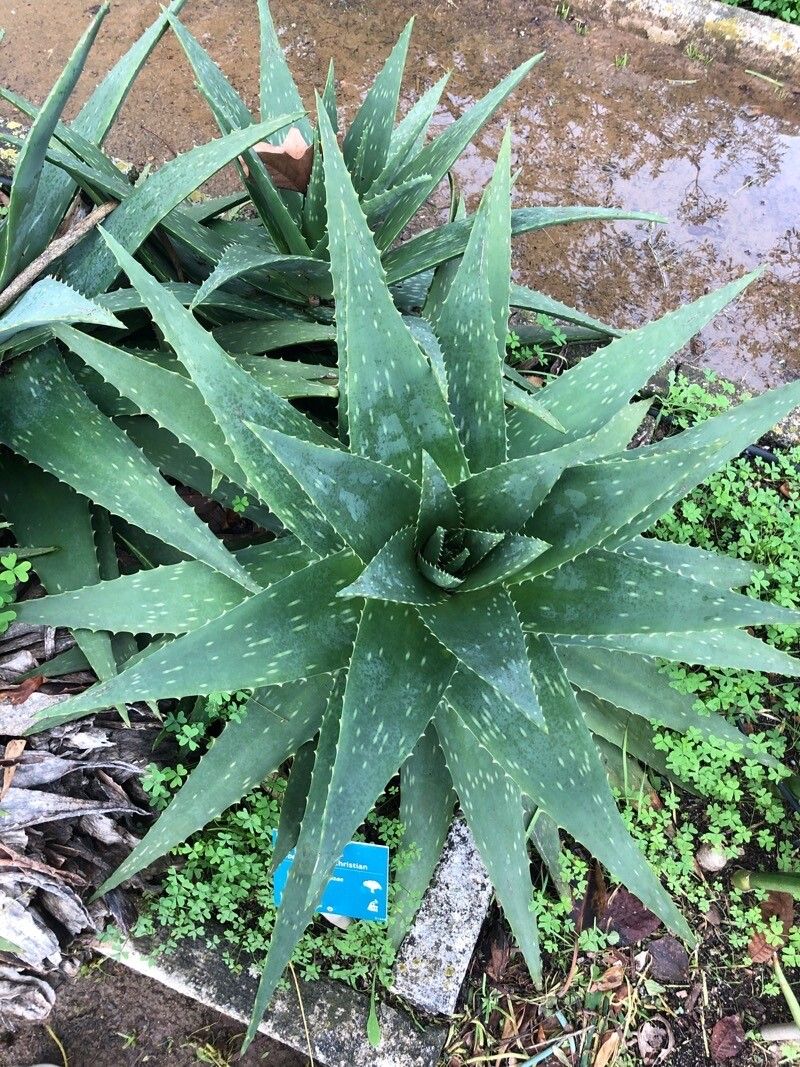
Multiply Your Aloe Debrana: A Guide to Propagation Success
The Aloe debrana, with its striking architectural foliage and vibrant blooms, is a stunning addition to any succulent collection. Native to Ethiopia, this aloe thrives in sunny environments and requires minimal care. Making it even more appealing is its ease of propagation – multiply your collection and share the joy! This guide dives into the different methods for propagating your Aloe debrana and sets you up for success.
Understanding the Basics
Before we jump in, remember that Aloe debrana’s prime propagation time is during its growing season – spring and summer. This is when the plant is most active and has the best chance of success.
Method 1: Propagating from Offsets (Pups)
The most common and arguably easiest method is through offsets or ‘pups.’ These are baby plants that sprout around the base of the mother plant. Here’s how:
- Identify Mature Offsets: Look for pups that have developed their own set of roots and are at least 3-4 inches tall.
- Separate the Offsets: Carefully remove the mother plant from its pot. Gently wiggle and tease apart the offsets, ensuring each has a good root system attached.
- Let the Wounds Heal: Allow the separated pups and the mother plant to callus over for a few days to a week. This prevents rotting when planted.
- Potting the Offsets: Use a well-draining potting mix specifically designed for succulents. Plant the offsets at the same depth they were originally growing.
- Water Sparingly: After potting, water lightly and only when the soil is completely dry. Overwatering is a surefire way to harm young plants.
Method 2: Propagating from Leaf Cuttings
While slightly more challenging, propagating from leaf cuttings is achievable:
- Select Healthy Leaves: Choose plump, firm leaves from the outer part of the plant.
- Make a Clean Cut: Use a sharp, sterilized knife or shears to remove the leaf as close to the stem as possible.
- Let the Cuttings Dry: Similar to offsets, allow the cut end of the leaf to callus over for several days to a week.
- Prepare for Planting: Dip the callused end in rooting hormone (optional but helpful) and then place the cutting into a well-draining potting mix.
- Indirect Light and Patience: Position the pot in bright, indirect sunlight and water sparingly. It may take several weeks for roots and new growth to appear.
Method 3: Propagating from Seeds
Propagating from seed is the most time-consuming method and requires patience:
- Source Fresh Seeds: Acquire seeds from a reputable supplier or collect them from mature Aloe debrana flowers (ensure proper pollination for viable seeds).
- Sow the Seeds: Sprinkle seeds over a well-draining potting mix and lightly press them into the surface. Do not bury them.
- Create a Humid Environment: Cover the pot with plastic wrap or use a humidity dome to create a warm, moist environment.
- Provide Light and Warmth: Place the pot in a bright location, out of direct sunlight. Maintain a temperature of around 70-75°F (21-24°C).
- Be Patient: Germination can take several weeks or even months. Once seedlings are large enough to handle, they can be transplanted into individual pots.
Caring for Your New Aloe Debrana Plants
Once your new Aloe debrana plants are established, follow these care tips:
- Sunlight: Provide at least 6 hours of bright, indirect sunlight daily.
- Water: Water thoroughly when the soil is completely dry. Avoid overwatering.
- Temperature: They prefer temperatures between 65-80°F (18-27°C).
- Fertilizer: Feed with a diluted balanced fertilizer during the growing season.
Propagating your Aloe debrana is a rewarding experience. With a little patience and the right techniques, you can easily multiply your collection and enjoy these stunning succulents for years to come. Happy propagating!