
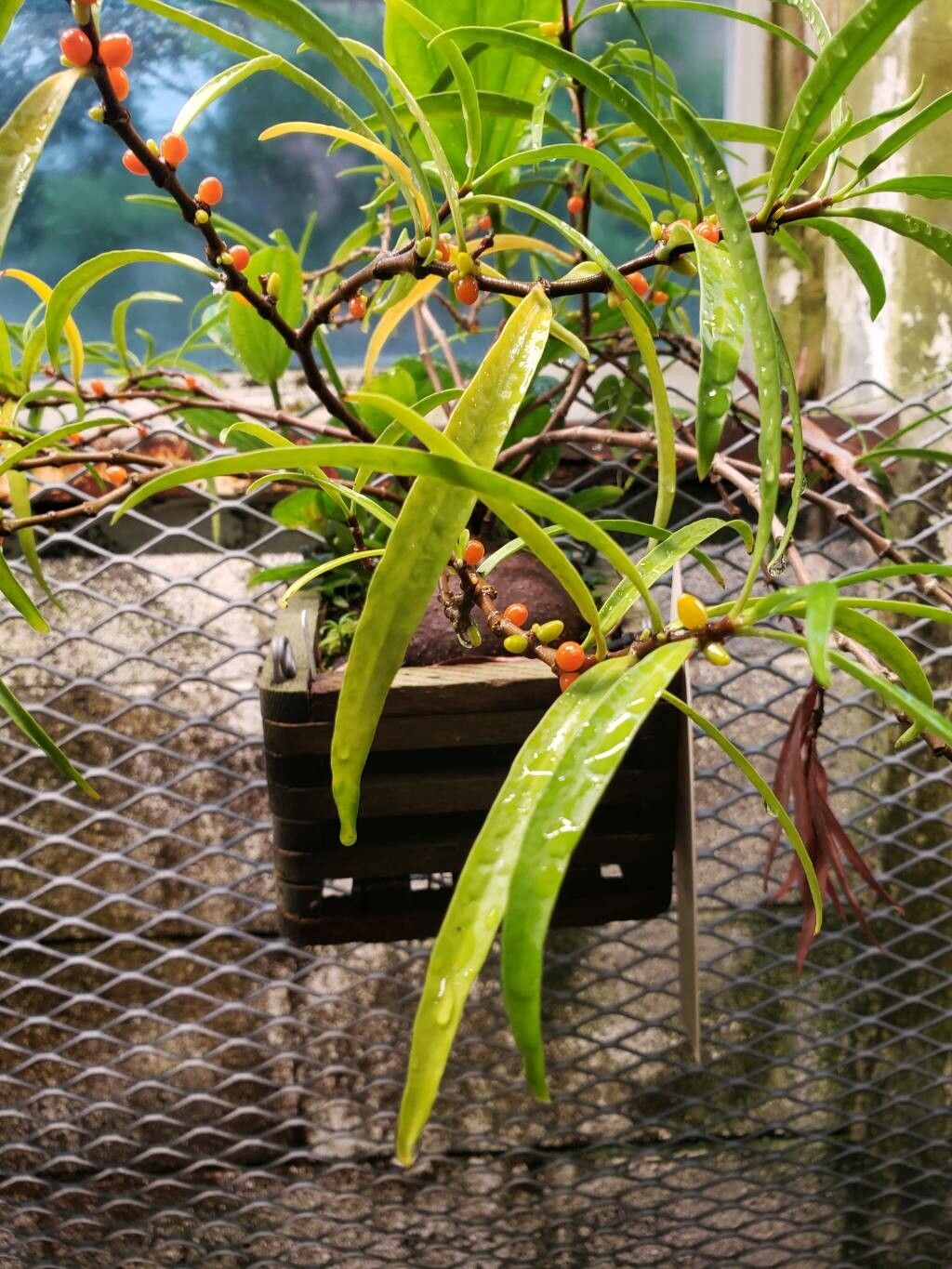
More Than Meets the Eye: Propagating the Fascinating Hydnophytum puffii
The world of plants is filled with surprises, and few are as captivating as the Hydnophytum puffii, commonly known as the ant plant. This epiphyte, native to Southeast Asia, is a marvel of nature, boasting a unique swollen stem (a caudex) that provides a home for ants in the wild – a symbiotic relationship that benefits both parties. But what if you want to bring this botanical oddity into your own home? Don’t worry, propagating Hydnophytum puffii might seem intimidating, but with a little patience and the right approach, you can successfully grow these fascinating plants.
Understanding the Options: Seeds vs. Cuttings
Hydnophytum puffii can be propagated through two main methods:
Seeds: While propagating from seeds is possible, it’s a slower and less predictable method. Seeds can be difficult to obtain and germinate, and plants grown from seed take longer to develop their characteristic caudex.
- Cuttings: Taking stem cuttings is the preferred and more efficient method. It allows you to clone the parent plant, ensuring you get a new Hydnophytum puffii with similar characteristics and faster growth.
Getting Hands-On: The Cutting Method
Here’s a step-by-step guide on how to propagate Hydnophytum puffii from cuttings:
1. Timing is Key: The best time to take cuttings is during the plant’s active growing season, ideally in spring or early summer. This is when the plant has the most energy to invest in new growth.
2. Choosing the Right Cutting: Select a healthy stem that is at least 2-3 inches long. Look for a section with at least two nodes (the bumps on the stem where leaves emerge).
3. Making the Cut: Use a clean, sharp knife or pruning shears to make a clean cut just below a node. Remove any leaves from the bottom inch of the cutting to prevent them from rotting.
4. Encouraging Root Development: Dip the cut end of the stem in rooting hormone powder (optional, but recommended for faster rooting). Then, plant the cutting in a well-draining potting mix specifically designed for succulents or epiphytes.
5. Creating the Right Environment: Place the cutting in a bright, indirectly lit location. Avoid direct sunlight, as it can scorch the developing roots. Maintain a warm temperature between 70-80°F (21-27°C) and keep the potting mix lightly moist but not waterlogged.
Patience is a Virtue: It can take several weeks to a couple of months for the cutting to root. Be patient and avoid disturbing the cutting during this critical time. Once you see new growth, it’s a good sign that roots have developed.
Nurturing Your New Plant: Once rooted, gradually acclimate the new Hydnophytum puffii to its permanent pot and care routine. Choose a pot with good drainage and use a well-draining potting mix. Water thoroughly when the soil is dry to the touch and fertilize lightly during the growing season.
Propagating your Hydnophytum puffii is a rewarding experience that allows you to share the wonder of this fascinating plant with others. By following these tips, you can increase your chances of success and enjoy these botanical curiosities for years to come.