
Growing Longleaf Brickellbush: Tips for Propagating this Southwestern Beauty
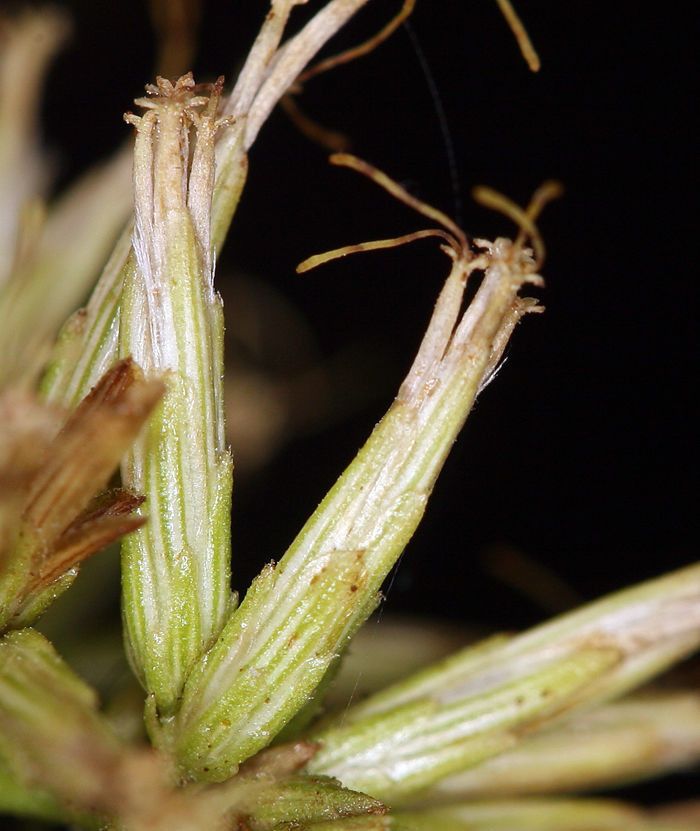
The Longleaf Brickellbush (Brickellia longifolia), with its delicate foliage and charming tassel flowers, brings a touch of the southwest to gardens far and wide. This drought-tolerant beauty, also known as the Texas Brickellbush, is a favorite among pollinators and adds a unique texture and subtle fragrance to any landscape. If you’re looking to add this resilient plant to your garden, propagation is surprisingly straightforward. Let’s explore two effective methods: growing from seed and taking cuttings.
Method 1: Starting Longleaf Brickellbush from Seed
For those who enjoy the satisfaction of nurturing a plant from its earliest stage, starting Longleaf Brickellbush from seed is a rewarding experience.
Here’s what you’ll need:
- Fresh Longleaf Brickellbush seeds: Look for seed packets online or at specialty nurseries.
- Seed-starting mix: Choose a well-draining mix specifically formulated for starting seeds.
- Seed trays or small pots: Ensure good drainage.
- Water mister: For gently moistening the seed-starting mix.
- Plastic wrap or a humidity dome: To create a warm, humid environment for germination.
Instructions:
- Prepare your containers: Fill your seed trays or pots with the seed-starting mix, moistening it evenly.
- Sow the seeds: Sprinkle the seeds onto the surface of the mix, spacing them about an inch apart. Gently press the seeds into the mix, ensuring good contact.
- Mist and cover: Lightly mist the surface of the soil with water. Cover the trays or pots with plastic wrap or a humidity dome to trap moisture and heat.
- Provide warmth and light: Place your seed trays in a warm location with bright, indirect sunlight. Ideal temperatures for germination are between 65-75°F (18-24°C).
- Keep moist: Check the moisture level daily and mist the soil as needed, ensuring it doesn’t dry out completely.
- Be patient: Germination can take anywhere from 2 to 4 weeks. Once the seedlings emerge, remove the plastic wrap or humidity dome.
- Thinning and transplanting: Once the seedlings have developed a few sets of true leaves, thin them out, leaving the strongest seedlings in each pot. When they are a few inches tall, transplant them into larger pots or directly into your garden.
Method 2: Propagating Longleaf Brickellbush from Cuttings
For a faster and often more reliable method, propagating from cuttings is an excellent option.
Here’s what you’ll need:
- Sharp, clean pruning shears or scissors
- Rooting hormone (optional but recommended)
- Small pots or seed trays filled with a well-draining potting mix
- Water
Instructions:
- Take your cuttings: In the spring or early summer, select healthy, non-flowering stems from an established Longleaf Brickellbush. Cut a 4-6 inch section of stem just below a leaf node.
- Prepare the cuttings: Remove the lower leaves from the cutting, leaving 2-3 pairs of leaves at the top. If desired, dip the cut end of the stem in rooting hormone.
- Plant the cuttings: Insert the cuttings into the prepared pots, burying the bottom node in the potting mix. Gently firm the soil around the cutting.
- Water and maintain humidity: Water the cuttings thoroughly and cover the pots loosely with a plastic bag or humidity dome to retain moisture.
- Provide indirect light: Place the cuttings in a location with bright, indirect light.
- Monitor for root development: After 4-6 weeks, gently tug on the cuttings to check for resistance. Resistance indicates root development.
- Transplant: Once the cuttings have established a healthy root system, transplant them into larger pots or directly into your garden.
Whether you choose to start from seed or propagate from cuttings, Longleaf Brickellbush is a rewarding and relatively easy plant to grow. Its beauty, resilience, and ability to attract pollinators make it a wonderful addition to any landscape. So why not try your hand at propagating this southwestern charmer and enjoy its unique beauty in your own backyard?