
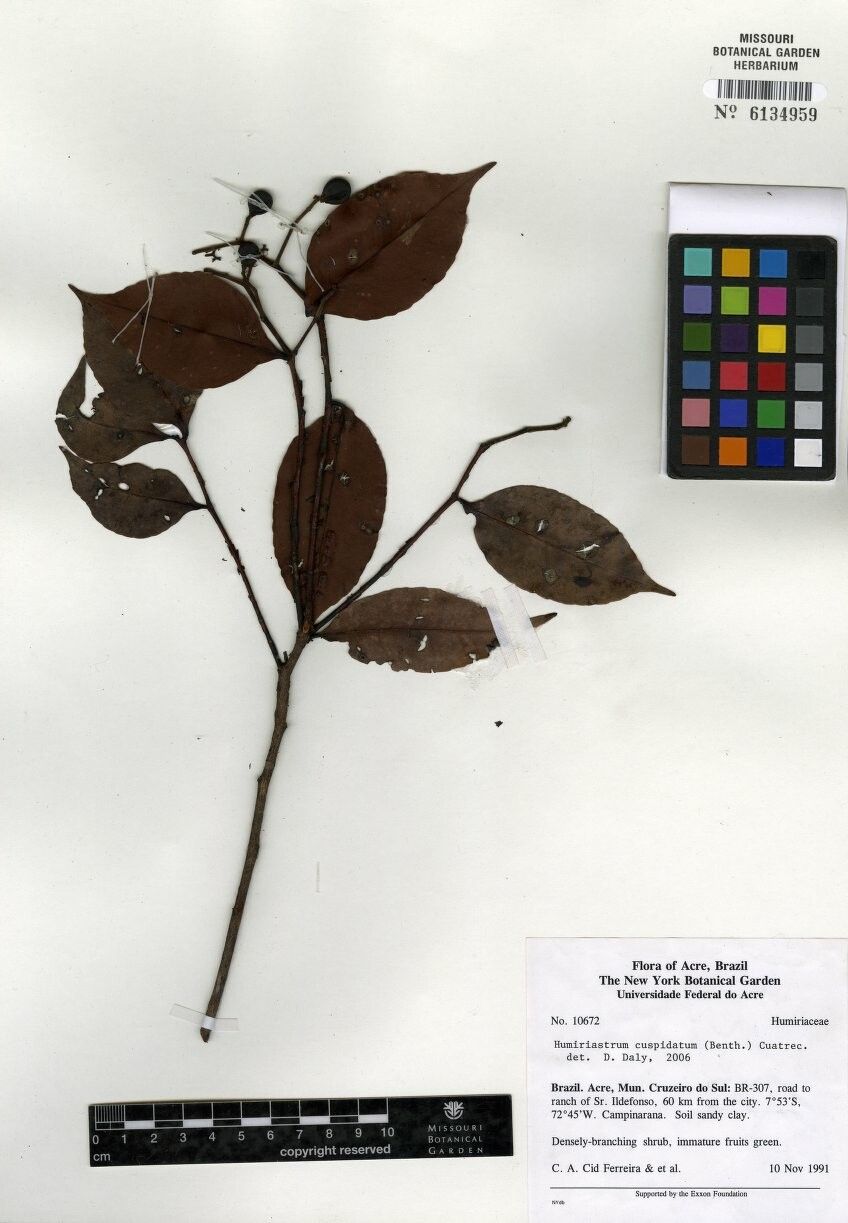
Unveiling the Mystery: Propagating the Elusive Humiriastrum cuspidatum
Humiriastrum cuspidatum – it might not roll off the tongue easily, but this South American native tree holds a certain enigmatic charm for plant enthusiasts. Known for its attractive foliage and potential medicinal properties, cultivating this species presents a rewarding challenge. If you’re eager to grow your own H. cuspidatum, understanding its propagation is key. Let’s delve into the fascinating, albeit somewhat tricky, world of propagating this botanical gem.
Seeds: A Test of Patience
The most common way to propagate H. cuspidatum is through seeds, but be warned – patience is paramount. Fresh seeds are notoriously difficult to obtain, and commercially available options are rare. If you manage to source some, here’s what to expect:
- Scarification: The seeds have a hard outer shell that requires scarification to enhance germination rates. Gently rubbing the seed coat with sandpaper or soaking in warm water for 24 hours can help break down this barrier.
- Sowing: Plant the scarified seeds in a well-draining seed-starting mix, keeping the soil consistently moist but not waterlogged.
- Patience is Key: Germination can be erratic and lengthy, taking anywhere from a few weeks to several months. Maintaining a warm, humid environment can encourage sprouting.
Cuttings: Navigating the Challenges
Propagating H. cuspidatum through cuttings is another option, though it comes with its own set of hurdles. While possible, success rates can be low, requiring a touch of green thumb magic:
- Timing is Everything: Choose healthy, semi-hardwood cuttings from new growth in late spring or early summer.
- Hormonal Boost: Dipping the cut end in rooting hormone powder can significantly increase the chances of successful rooting.
- Creating the Ideal Environment: Plant the cuttings in a well-draining medium and keep them in a humid environment. A propagation box or a plastic bag placed over the pot can help maintain moisture levels.
Air Layering: A Potential Solution
For experienced propagators, air layering presents a less common yet potentially more successful method for Humiriastrum cuspidatum:
- Strategic Wounding: Select a healthy branch and make a small upward cut or scrape away a ring of bark.
- Encouraging Root Development: Apply rooting hormone to the wounded area and surround it with moist sphagnum moss. Enclose the moss with plastic wrap, ensuring it’s sealed tightly to retain moisture.
- Patience and Observation: Over time, roots should develop within the moss. Once a substantial root system forms, sever the branch below the rooted section and pot it.
Nurturing Your Propagated H. Cuspidatum
Regardless of the propagation method, young H. cuspidatum plants require attentive care:
- Light & Temperature: Provide bright, indirect light and maintain a warm environment (around 70-75°F).
- Watering: Keep the soil consistently moist but avoid overwatering, which can lead to root rot.
- Fertilizer: Feed with a balanced liquid fertilizer diluted to half strength every 4-6 weeks during the growing season.
Final Thoughts:
Propagating Humiriastrum cuspidatum might require extra dedication and a sprinkle of luck, but seeing these unique plants flourish from seeds or cuttings makes the effort truly worthwhile. While the journey may test your patience, the reward of nurturing this intriguing species is a fulfilling experience for any plant lover. So, embrace the challenge, and who knows – you might just add this rare beauty to your own plant family.