
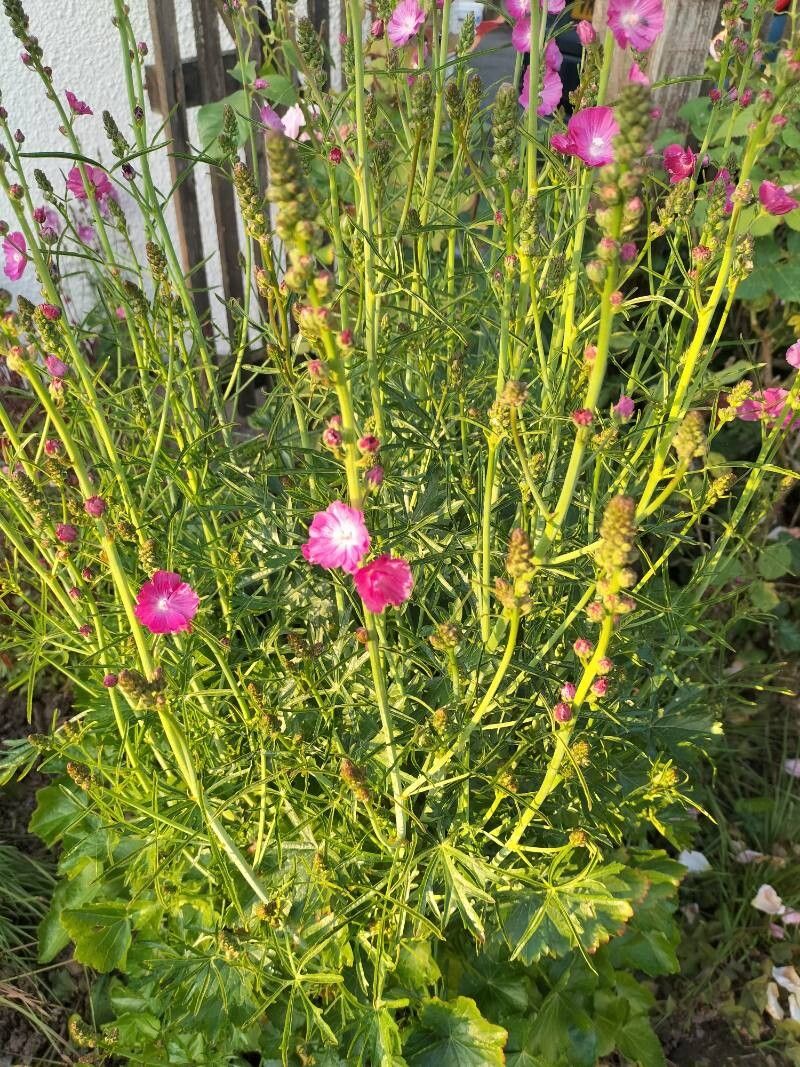
Unleashing the Beauty of Checkerbloom: A Guide to Propagating Sidalcea Malviflora
Sidalcea malviflora, more commonly known as Checkerbloom or Prairie Mallow, is a delightful wildflower native to the western United States. With its delicate, pink-to-purple blooms adorning tall stems, Checkerbloom adds a touch of whimsical charm to any garden. While readily available at some nurseries, propagating your own Checkerbloom is a rewarding experience that allows you to multiply these beauties and share them with friends and family.
This guide will delve into the two most effective methods for propagating Sidalcea malviflora:
1. Seed Propagation:
- Timing is Key: The optimal time for sowing Checkerbloom seeds is in the fall, shortly after they ripen. This allows them to experience the natural chilling period of winter, which is crucial for germination.
- Sowing the Seeds: You can choose to directly sow seeds into your garden beds or start them indoors. If direct sowing, lightly rake the soil to loosen it and sprinkle the seeds evenly. Cover with a thin layer of soil (about ¼ inch) and water gently. Indoors, use a seed starting mix and sow seeds in individual pots or trays.
- Patience is a Virtue: Checkerbloom seeds can take their time to germinate, sometimes weeks or even months. Keep the soil consistently moist but not waterlogged. Once seedlings emerge, thin them to allow 12-18 inches of space for growth.
2. Division:
- When to Divide: This method is best done in early spring or fall when the plant is dormant. Look for established clumps that are at least 2-3 years old.
- Dividing with Care: Carefully dig around the clump, ensuring you don’t damage the roots. Lift the entire clump and gently separate it into smaller sections, each containing a good amount of roots and shoots.
- Replanting: Replant the divisions at the same depth they were originally growing, spacing them 12-18 inches apart. Water thoroughly to help them establish themselves.
Bonus Tips for Success:
- Well-Draining Soil: Checkerbloom thrives in well-draining soil. If your soil is heavy clay, amend it with compost or sand to improve drainage.
- Sunlight is Essential: Choose a sunny location for your Checkerbloom, as it prefers at least six hours of direct sunlight daily.
- Watering Wisely: While they enjoy moist soil, avoid overwatering, which can lead to root rot. Water deeply but infrequently, allowing the soil to dry slightly between waterings.
- Deadheading for Prolific Blooms: Regularly deadhead spent blooms to encourage continuous flowering throughout the season.
With these tips, you’ll be well on your way to cultivating a stunning display of Checkerbloom in your garden. Propagating your own plants is a rewarding endeavor that allows you to connect with nature’s cycle and witness the beauty of new life unfolding. So, roll up your sleeves, get your hands dirty, and enjoy the captivating allure of Sidalcea malviflora!