
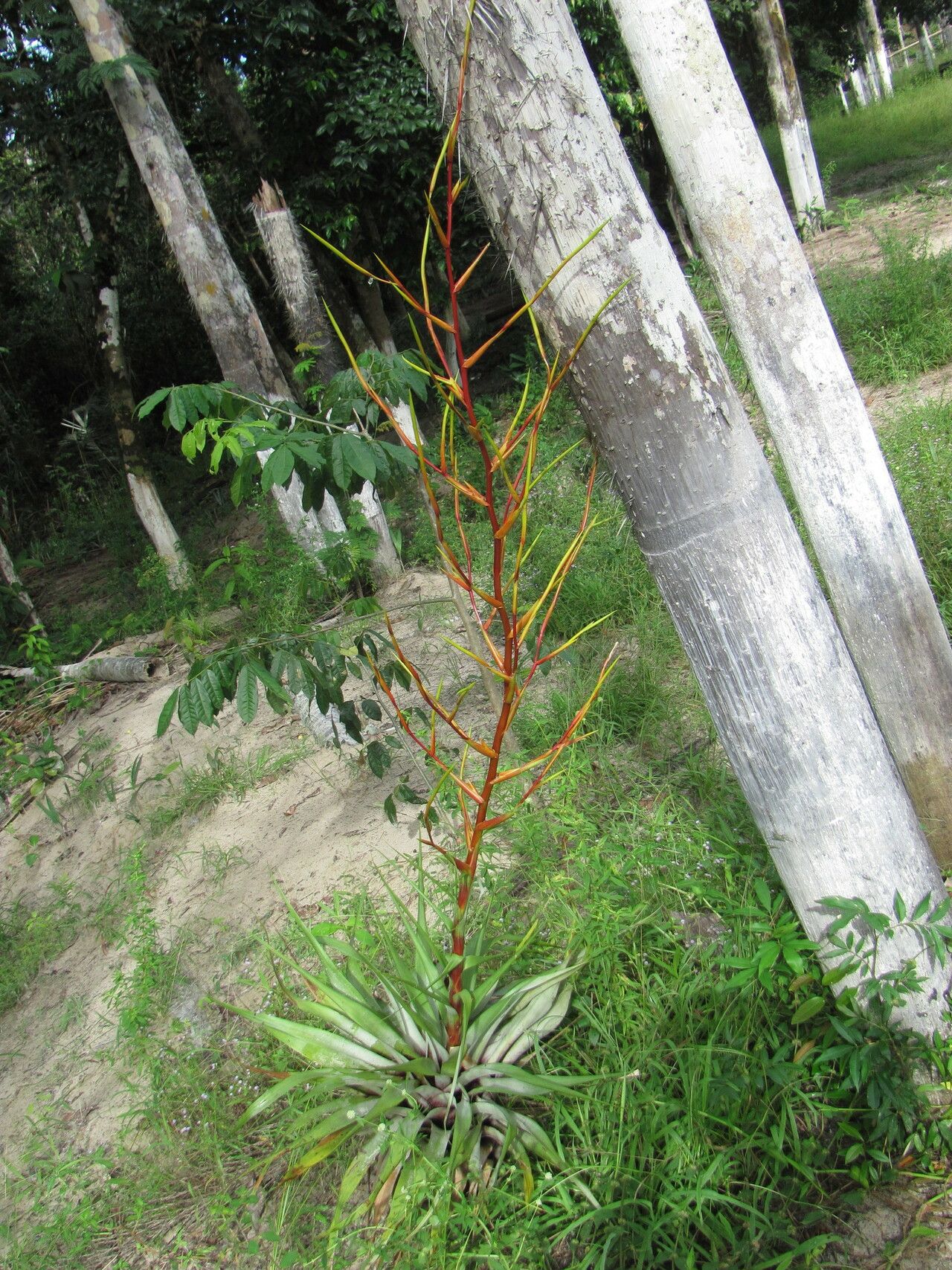
Unlocking the Secrets of Tillandsia Adpressiflora Propagation: A Guide to Multiplying Your Air Plant Collection
Tillandsia adpressiflora, with its intriguing silver-green foliage and vibrant pink blooms, is a unique and captivating addition to any air plant enthusiast’s collection. But how do you go about multiplying these fascinating beauties? Unlike traditional plants that rely on soil, Tillandsia adpressiflora reproduces through offsets, commonly referred to as “pups.”
This guide delves into the world of Tillandsia adpressiflora propagation, providing you with the knowledge and confidence to expand your collection and share the joy of these magnificent air plants.
Understanding the Lifecycle of Tillandsia Adpressiflora
Like many Tillandsia species, Tillandsia adpressiflora is a monocarpic plant. This means it will bloom only once in its lifetime. However, before its grand finale, it leaves behind a legacy – its pups! These miniature versions of the parent plant emerge from the base, eager to embark on their own growth journey.
Timing is Key: When to Propagate
Ideally, the best time to separate pups from the mother plant is after the flowering cycle, when the pups are about one-third to one-half the size of the parent. This ensures they’ve drawn sufficient nutrients and have a robust root system to thrive independently.
Step-by-Step Propagation Guide:
Gather Your Tools: You’ll need a clean, sharp knife or pair of scissors, a spray bottle filled with water, and optionally, rooting hormone (although not strictly necessary).
Identify the Pups: Look for pups at the base of the mother plant. They will have their leaves and, in some cases, even tiny roots.
Separate with Care: Gently wiggle the pup at the base, feeling for a natural separation point. If it doesn’t detach easily, use your sterilized knife or scissors to carefully cut it away.
Post-Separation Care: Once separated, allow both the mother plant and the pups to callus over for a day or two in a well-ventilated area. This prevents potential rotting.
Potting Your Pups: Place the pups in a well-ventilated environment, such as a decorative dish with good airflow. Avoid potting them in soil; remember, they are air plants!
- Light and Water: Provide bright, indirect light and mist your Tillandsia adpressiflora pups 2-3 times a week, ensuring they dry completely between waterings. You can also submerge them in room-temperature water for 20-30 minutes once a week, letting them air dry upside down afterwards.
Troubleshooting and Tips:
- Rotting Pups: Ensure adequate airflow and avoid overwatering, as this can lead to rotting.
- Slow Growth: Provide optimal light and consider using a diluted bromeliad fertilizer during the growing season (spring and summer) to encourage faster growth.
- Enjoy the Process: Propagating Tillandsia adpressiflora is a rewarding experience. Don’t be afraid to experiment and find what works best for you and your environment.
With patience and the right care, you’ll soon have a thriving collection of Tillandsia adpressiflora, each one a testament to the fascinating world of air plant propagation. So go ahead, multiply your collection and revel in the unique beauty of these intriguing air plants!